

Why 2024 Feels Like a SEO Renaissance
When I first opened my laptop this morning, the Google dashboard lit up like a sunrise over a digital horizon—bright, full of promise, and a little intimidating. Search engines are no longer just about keywords; they’ve become sophisticated storytellers, rewarding content that feels human, contextual, and technically flawless. In my years of juggling data sheets and coffee cups, I’ve learned that the only constant is change, and 2024 is the year we finally see the ripple effects of AI, Core Web Vitals, and contextual ranking converge into a single, pulsating rhythm that anyone can dance to—if they know the steps.
The Power of Contextual Ranking: More Than Just Semantics
Imagine your article as a conversation at a dinner party; Google now listens for the nuance, the tone, and the relevance to the ongoing dialogue. This shift means we must embed our primary topics within a broader, meaningful narrative that answers the “why” behind a searcher's intent. I’ve started to map out content clusters like mind maps, ensuring each piece supports a central pillar with natural, supportive links—think of it as building a web of trust that Google can’t ignore. When done right, contextual ranking lifts even modest pages into the spotlight, rewarding depth over surface-level keyword stuffing.
AI‑Assisted Content Creation: Friend, Not Foe
Let’s get real: AI tools have become the co‑pilots of modern copywriters, and resisting them is like refusing to use a calculator in a math exam. I use AI to generate outlines, suggest LSI terms, and even draft first‑pass paragraphs, but I always inject my own voice, anecdotes, and the strategic flair that only a human can provide. The sweet spot lies in the edit—polishing the AI draft with personal insights, brand personality, and the data‑driven tweaks that keep the content both authentic and optimized for the latest algorithmic expectations.
Core Web Vitals: The Technical Backbone of Trust
Speed, stability, and interactivity have moved from “nice‑to‑have” to “must‑have” in Google’s ranking formula, and I’m convinced that a site’s performance is the modern equivalent of a firm handshake. I routinely run Lighthouse audits, focusing on Largest Contentful Paint (LCP) under 2.5 seconds, a Cumulative Layout Shift (CLS) below 0.1, and a First Input Delay (FID) that feels instantaneous to the user. When you combine these metrics with a clean, mobile‑first design, you’re not just ticking boxes—you’re building a user experience that signals reliability and relevance to both visitors and search bots alike.
Link Building in an Era of E‑E‑A‑T
Earned authority still matters, but the tactics have matured. Today, a backlink must demonstrate Expertise, Experience, Authority, and Trust (E‑E‑A‑T), so I prioritize relationships over one‑off guest posts. I reach out to niche influencers, co‑author case studies, and create data‑rich resources that naturally attract citations. When I do need a quick win, I turn to strategic internal linking, weaving my own content into a logical hierarchy that tells Google which pages are the true stars of the show. This dual approach keeps my link profile healthy, diverse, and aligned with Google’s quality expectations.
Semantic HTML: Giving Structure a Voice
HTML tags are the punctuation marks of the web, guiding both users and crawlers through the hierarchy of information. I make it a habit to use <header>, <nav>, <article>, and <section> elements thoughtfully, pairing them with descriptive aria‑labels to enhance accessibility. Structured data, like JSON‑LD for FAQs and breadcrumbs, is another layer of clarity that helps Google surface my content in rich snippets. These subtle signals may seem minor, but they collectively reinforce the semantic relevance that modern algorithms crave.
Harnessing the Power of Internal Links
One of my favorite, often‑overlooked levers is internal linking—an art that transforms a collection of pages into a cohesive knowledge hub. I start each new piece by identifying three to five existing articles that can act as anchors, using concise, descriptive anchor text that guides readers deeper into the site. For example, my recent deep‑dive on AI‑driven SEO can be linked from the Trending SEO Tips for 2024: Rose DesRochers’ Insider Strategies post, creating a seamless journey that both users and crawlers appreciate. This strategy not only boosts page views but also distributes link equity, signaling to Google which pages deserve a higher rank.
Measuring Success: From Rankings to Real‑World Impact
Data is the compass that keeps us from sailing blind, so I set up dashboards that track organic traffic, conversion funnels, and user engagement metrics side by side. Ranking positions are still a useful barometer, but I now focus on dwell time, scroll depth, and assisted conversions to gauge true content value. By correlating these signals with the changes I implement—whether it’s a new LCP improvement or a refreshed internal linking structure—I can prove ROI to stakeholders and fine‑tune my strategies for the next algorithm update.
Staying Ahead: Continuous Learning in a Dynamic Landscape
Finally, the most reliable SEO tip I can share is simple: stay curious. I allocate a few hours each week to read industry newsletters, test new tools, and experiment with emerging formats like video snippets and AI‑generated micro‑content. When Google rolls out a fresh update, I treat it as a challenge rather than a threat, diving into the changelog, analyzing early data, and adjusting my playbook accordingly. In the words of my favorite mantra, “SEO is a marathon, not a sprint”—and with the right mindset, the finish line keeps moving forward, inviting us to run smarter, not harder.

When it comes to the world of blogging and writing, Rose DesRochers is a name that stands out. Her passion for creating quality content and connecting with her audience has made her a trusted voice in the industry. Aside from her skills as a writer and blogger, Rose is also known for her compassionate nature.
Related Posts
How SaaS Community Content Can Supercharge Your SEO
Learn why user‑generated forums, reviews, and community hubs are the secret weapon for SaaS SEO, a... Read More

Mastering Intent‑First SEO: Actionable Tips for Modern Marketers
A hands‑on guide to intent‑first SEO: map intent, craft content, optimize on‑page signals, and... Read More

The Intent‑First Blueprint: SEO Tips That Actually Convert
Learn how to pivot your SEO approach toward user intent, craft headlines that convert, and use struc... Read More
Top Posts
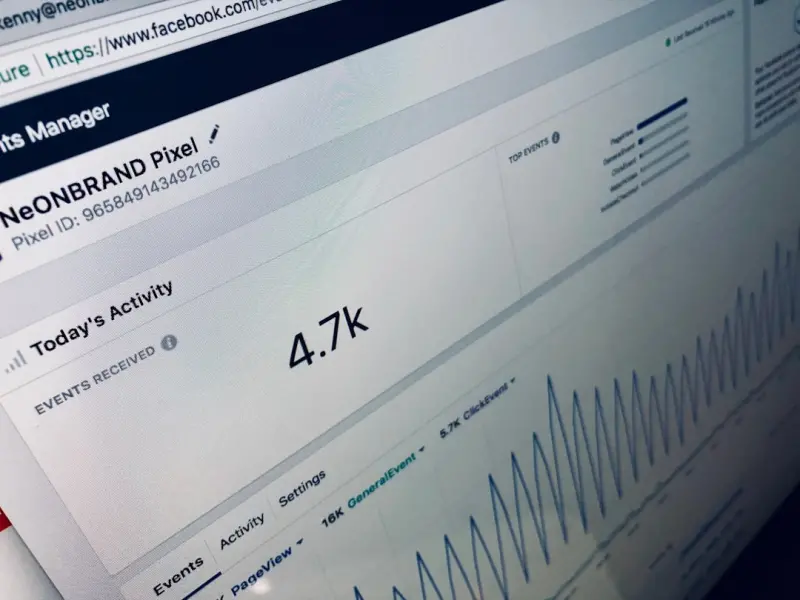
Cracking Facebook Search: A SaaS Playbook for Hidden Discovery
Discover a step‑by‑step framework to optimize your Facebook page, content, and groups for search, turning the platform’s internal engine into a powerful l...Read More

Rose DesRochers Decodes the Hottest SEO News of 2024: Intent, AI, and Authority
Rose DesRochers unpacks 2024’s SEO landscape, revealing how intent, AI, and authority shape rankings and how marketers can stay ahead....Read More

Turning SaaS Toolkits into Magnetized Link Assets
Learn a new link‑building approach that leverages data‑driven SaaS toolkits—like calculators and benchmarks—to earn high‑quality backlinks, boost rank...Read More
Why 2024 Is the Year Google SEO Gets a Makeover: Rose DesRochers’ Frontline Analysis
Rose DesRochers reveals how Google’s 2024 algorithm overhaul elevates intent, AI, and authority, offering marketers concrete tactics to stay ahead of the SEO ...Read More
0 Comments
Post Comment
You will need to Login or Register to comment on this post!