

Why Voice Search Demands a New SEO Playbook
When I first heard a friend ask a smart speaker for a “best brunch spot near me,” I realized that traditional keyword‑centric SEO was missing a vital conversation. Voice search strips away the long‑tail phrases we meticulously craft and replaces them with natural, question‑based queries that mirror how people actually speak. As a strategist, I’ve learned to pivot from static pages to dynamic, conversation‑ready content that can surface in those fleeting audio moments.
Decoding Micro‑Moments: The New Intent Frontier
Micro‑moments are the split‑second decisions users make—think “I need a recipe now” or “Where can I buy this widget?”—and they are the sweet spot where voice assistants intervene. By mapping out these intent snapshots, we can anticipate the exact phrasing and context that trigger voice results, allowing us to embed answers directly into our copy. This approach shifts our focus from ranking for a single keyword to owning the entire decision pathway.
Building Conversational Content Hubs
Instead of scattering FAQs across disparate pages, I create centralized hubs that answer clusters of related questions in a conversational tone. Each hub is structured like a dialogue, with a primary question followed by natural follow‑ups, all enriched with semantic markup. The result is a content ecosystem that search engines recognize as a reliable source for voice‑first answers, boosting both visibility and authority.
Structured Data: The Bridge to Voice Answers
Schema markup is the secret sauce that tells search engines how to surface our content in voice results. By implementing FAQ schema, How‑To schema, and Product schema, we give crawlers the exact context needed to pull concise answers for spoken queries. This not only improves click‑through rates but also positions our brand as the go‑to voice assistant recommendation.
Local Optimization for the Voice‑Driven Consumer
Most voice searches are local—people ask, “Where’s the nearest coffee shop?”—so claiming and optimizing Google Business Profiles becomes non‑negotiable. I enrich listings with up‑to‑date hours, photos, and a curated set of Q&A that mirror the language of voice queries. Coupled with geo‑targeted content hubs, this strategy ensures we dominate the “near me” voice landscape.
Turning User‑Generated Q&A Into Voice Assets
Customer reviews and community questions are gold mines for voice SEO because they contain authentic, question‑answer pairs that voice assistants love. I harvest these insights, format them into structured snippets, and embed them within our content hubs. This not only diversifies our answer inventory but also signals trustworthiness to search engines.
Data‑Driven Partnerships Amplify Voice Reach
Collaborating with niche data providers lets us surface hyper‑relevant answers that larger players might overlook. By tapping into partner APIs, we can inject real‑time information—like inventory levels or appointment availability—directly into our voice‑ready pages. Learn more about this collaborative model in Data‑Driven Partnerships, which outlines how strategic link building can fuel sustainable authority.
Fast‑Track Iteration With an SEO Sprint Mindset
Voice SEO moves quickly; a phrase that trends today may be obsolete tomorrow. I adopt a sprint‑style workflow—identifying high‑impact voice queries, drafting concise answers, and publishing within a 30‑day cycle. This rapid‑refresh methodology mirrors the tactics in The SEO Sprint Playbook, ensuring our voice assets stay fresh and competitive.
Measuring Success and Preparing for the Future
Traditional metrics like organic traffic are still valuable, but voice performance requires new KPIs: answered voice queries, featured snippet impressions, and lift in local “near me” rankings. By setting up custom dashboards that track these signals, we can quantify the ROI of our voice strategy and iterate intelligently. As the ecosystem evolves, the brands that treat voice as a conversation—rather than a keyword—will own the next wave of search dominance.

Deb Roberts is a freelancer who writes on various subjects, bringing versatility and depth to her work. Alongside her broad writing expertise, she has a special passion for horses.
Related Posts

Micro‑Moment Mastery: Building Adaptive Content Hubs That Capture Real‑Time User Intent
Learn to map micro‑moments into intent clusters, create flexible content hubs, and use data‑driv... Read More

Unlocking SEO for Subscription Content Hubs
Learn the unique SEO tactics that let subscription sites rank higher while protecting premium conten... Read More
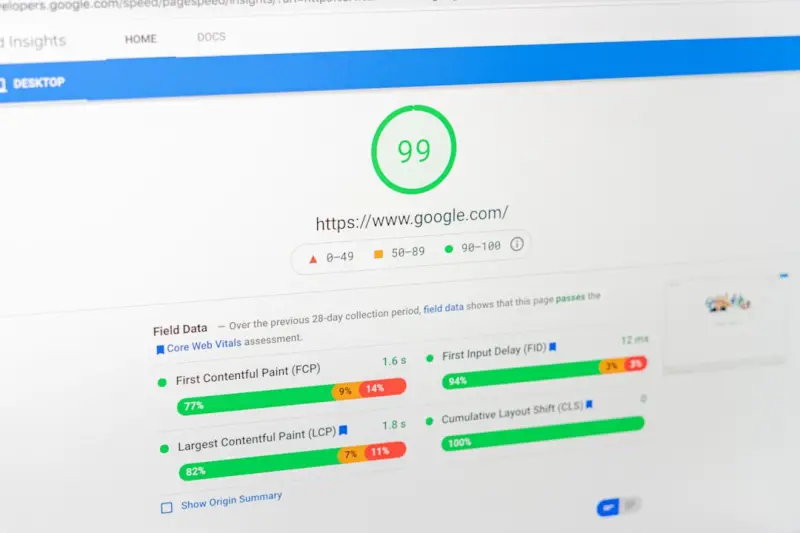
Turning Your API Docs into a Search Magnet
A deep dive into turning technical API references into high‑ranking, traffic‑generating pages, w... Read More
Top Posts

Cultivating High‑Quality Links Through Story‑Driven Outreach and Community Trust
Learn how to transform link building into a story‑driven, community‑centric process that earns high‑quality backlinks, boosts rankings, and builds lasting...Read More

Decoding JavaScript SEO for SaaS: A Pragmatic Playbook
This guide walks SaaS marketers through the challenges of indexing dynamic JavaScript apps and provides a step‑by‑step playbook—covering rendering strateg...Read More

Omni‑Channel Loyalty: Turning Every Touchpoint Into a Revenue Engine
Learn why integrating loyalty across every shopper interaction—web, app, and physical store—creates a powerful engine for repeat sales, higher lifetime valu...Read More
Beyond Keywords: The New Science of On‑Page SEO Experience
A fresh take on on‑page SEO that blends semantic markup, readability, and performance, giving you a roadmap to outrank competitors and delight users alike....Read More
0 Comments
Post Comment
You will need to Login or Register to comment on this post!