
Why Intent Still Rules the Search Kingdom
When I first dove into SEO, I learned that search intent is the North Star that guides every successful strategy, and that truth has only sharpened in 2024. Users now expect answers in micro‑seconds, and Google’s algorithms reward pages that not only answer a query but anticipate the next logical question, creating a seamless conversational flow that feels almost human. I constantly remind my team that if we can map the user’s journey from curiosity to conversion, we’ll naturally earn the trust signals that search engines adore.
AI-Powered Content Is No Longer a Fancy Extra
Artificial intelligence has moved from the lab to the newsroom, and my workflow now leans heavily on AI‑assisted research, topic clustering, and even drafting outlines, allowing me to focus on the creative polish that only a human can provide. The real magic happens when you combine AI’s data‑driven insights with your own expertise, producing content that feels both authoritative and genuinely helpful, a balance that search bots love and readers crave. For a deeper dive into how I blend intent and AI, check out my Insider SEO Tips for 2024, where I break down the exact tools and prompts that keep my rankings climbing.
Authority Signals Are Evolving Faster Than Ever
Back in the day, a handful of backlinks could catapult a site to the top, but today Google evaluates authority through a mosaic of signals, including brand mentions, user engagement metrics, and even the semantic relevance of your content within its niche. I’ve found that building a network of high‑quality, context‑rich links still matters, yet it’s the surrounding ecosystem—social proof, expert citations, and genuine user reviews—that truly amplifies a page’s credibility in the eyes of the algorithm. The takeaway? Treat every piece of content as an ambassador for your brand, and watch how authority naturally accrues.
Technical SEO: The Unsung Hero of Visibility
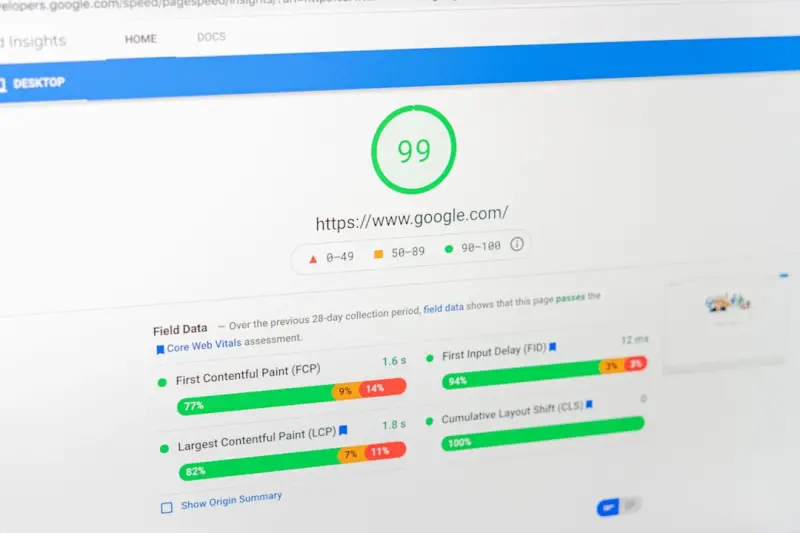
While content steals the spotlight, the behind‑the‑scenes technical foundation is what keeps search engines happy and ensures that your hard‑earned authority isn’t lost in the crawl abyss. Core Web Vitals, structured data, and proper indexing directives have become non‑negotiable, especially as Google tightens its focus on page experience as a ranking factor. I spend a dedicated hour each week running site audits, fixing broken links, and optimizing page load times, because a fast, clean site not only pleases Google but also reduces bounce rates and boosts conversions.
Link Building in a Post‑AI World
The art of link building has transformed from outreach emails to strategic partnerships built on shared value, expertise, and audience overlap, a shift I discuss in detail in my piece Why 2024 Is the Year Google SEO Gets a Makeover. Today, earning a link means delivering something that other creators genuinely want to reference—be it original research, interactive tools, or deeply insightful long‑form guides that fill a knowledge gap. By focusing on creating irreplaceable assets, you attract organic backlinks that not only boost rankings but also drive qualified traffic that stays engaged.
Local SEO: Hyper‑Targeting the Community
Even with the rise of global search, local intent remains a powerhouse for businesses seeking immediate relevance, and I’ve seen a surge in micro‑local optimization tactics that place brands front‑and‑center in neighborhood queries. Claiming and optimizing Google Business Profiles, leveraging localized schema markup, and curating community‑focused content can dramatically improve visibility for “near me” searches, turning digital curiosity into foot‑traffic. The secret sauce? Consistently gather and respond to reviews, and keep your NAP (Name, Address, Phone) details accurate across every directory.
Content Freshness: The Evergreen Evolution
Search engines now reward content that evolves alongside its topic, and I treat each pillar page as a living document, updating statistics, adding new case studies, and weaving in emerging trends to maintain relevance. This approach not only satisfies Google’s freshness algorithm but also signals to readers that your brand stays on the cutting edge, encouraging repeat visits and deeper engagement. Scheduling quarterly reviews in your editorial calendar ensures that no page becomes stale, turning evergreen assets into perpetual ranking machines.
Measuring Success Beyond Rankings
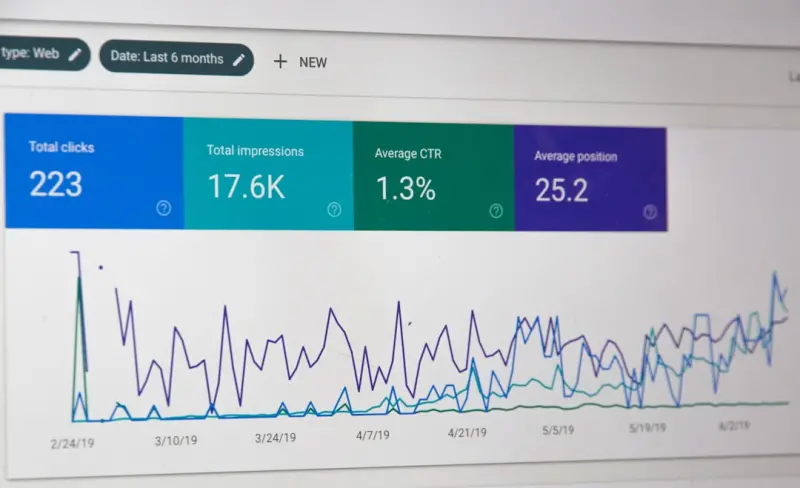
While rankings are a visible metric, I focus on holistic KPIs such as dwell time, conversion pathways, and user intent fulfillment, because these indicate true value delivery and long‑term sustainability. Tools like Google Search Console, Heatmaps, and user journey analytics provide a layered view of performance, revealing opportunities to refine headlines, enhance CTAs, or restructure site navigation for smoother flows. By aligning SEO goals with business outcomes, you create a feedback loop where data drives strategy and strategy drives growth.
Future‑Proofing Your SEO Strategy
Looking ahead, the convergence of voice search, multimodal AI assistants, and immersive web experiences will reshape how users discover information, and I’m already experimenting with structured data for podcasts and video snippets to stay ahead of the curve. Preparing for these shifts means embracing flexibility, investing in skill development, and staying curious about emerging technologies that could redefine search. My mantra for the coming years is simple: stay intent‑focused, leverage AI responsibly, and continuously nurture authority—these pillars will keep your SEO engine humming no matter what Google throws our way.

When it comes to the world of blogging and writing, Rose DesRochers is a name that stands out. Her passion for creating quality content and connecting with her audience has made her a trusted voice in the industry. Aside from her skills as a writer and blogger, Rose is also known for her compassionate nature.
Related Posts

Crawl Budget Mastery: Getting Google to Index Your SaaS Platform Efficiently
Mastering crawl budget is essential for SaaS websites with large, evolving content libraries. This g... Read More
Visual Search SEO: Turning Images into Traffic Magnets
Visual search is reshaping how users discover content. This guide walks you through image optimizati... Read More

Master the Intent-First Playbook: Proven SEO Tips for Today's Search Landscape
Learn how to shift from keyword‑stuffing to an intent‑first approach with practical tips on mapp... Read More
Top Posts

From the Ground Up: Community‑Driven Local SEO for SaaS
Learn a fresh, community‑focused approach to local SEO for SaaS, turning events, partnerships, and offline reputation into powerful digital signals that impro...Read More

Reviving On‑Page SEO with Content Pruning and Intent‑Driven Refresh
A deep dive into using content pruning and intent‑focused refreshes to sharpen on‑page SEO, improve rankings, and deliver the exact answers users and search...Read More
Zero‑Click Search: Turning Invisible SERP Wins into SaaS Growth
Zero‑click search is reshaping SEO for SaaS. This article explains how to craft answer‑focused content, leverage structured data, and track new KPIs to turn...Read More
Intent‑First SEO Takes Center Stage: What Marketers Need to Know
Explore the rise of intent‑first SEO, learn practical steps to align content with user intent, and see real‑world case studies that prove this shift is here...Read More
0 Comments
Post Comment
You will need to Login or Register to comment on this post!