
Zero‑Click Search: Turning Invisible SERP Wins into SaaS Growth
When I first saw a Google SERP that showed a featured snippet, a knowledge panel, and a “People also ask” box—none of which required a click—I felt both exhilarated and uneasy. The excitement came from the fact that my brand was front‑and‑center without a single tap, but the unease stemmed from a lingering question: how do we measure real value from a presence that never converts a click? In today’s fast‑moving SEO landscape, zero‑click searches are no longer an anomaly; they’re becoming the default experience for a growing slice of queries. For SaaS companies, this shift isn’t just a technical curiosity—it’s a strategic imperative.
Why Zero‑Click Search Is No Longer a Niche Concern
Data from multiple sources now shows that over 50 % of all searches end without a click. Users are satisfied with instant answers, maps, weather widgets, or product snippets that appear directly on the results page. For SaaS businesses, the implications are twofold:
- Brand Visibility: Even without a click, users see your brand name, logo, and sometimes a concise value proposition. This builds top‑of‑mind awareness that can influence later purchasing decisions.
- Conversion Attribution: Traditional analytics that rely on click‑through rates (CTR) miss a huge portion of the influence chain. You need new metrics to capture impression‑based impact.
Understanding these dynamics is the first step toward designing a zero‑click‑first SEO strategy that fuels pipeline growth without sacrificing the classic traffic‑driven approach.
Mapping the Zero‑Click Landscape for SaaS
Not every SaaS keyword will generate a zero‑click result, but certain types of queries are ripe for it:
- Feature Definitions: “What is churn rate?” or “How does multi‑tenant architecture work?” often trigger featured snippets.
- Tool Comparisons: “CRM vs. ERP” can surface comparison tables.
- Pricing Quick‑look: “How much does X cost?” may pull pricing widgets.
- Regulatory Guidance: “GDPR compliance checklist” can appear as a rich answer box.
By categorizing your target keywords into these buckets, you can prioritize the content that is most likely to appear in a zero‑click format.
Crafting Content That Earns the Spotlight
Google’s algorithms reward content that directly answers a query in a clear, concise, and structured manner. Here’s a proven checklist for SaaS teams:
- Answer the Question in the First 40 Words: This increases the chance that Google extracts your text for a snippet.
- Use Structured Data: Implement
FAQPageandHowToschema to give Google a roadmap to your answers. - Leverage Tables and Lists: Comparison tables (e.g., “Feature A vs. Feature B”) are prime candidates for rich results.
- Include Brand Signals: Mention your product name and a brief value proposition within the answer to reinforce branding.
- Optimize for Voice: Phrase answers as natural, conversational sentences because many zero‑click results are pulled for voice assistants.
These tactics dovetail nicely with the classic on‑page fundamentals covered in On‑Page SEO Tactics SaaS Teams Can Deploy Today, but they require a more surgical focus on the “answerability” of each piece of content.
Beyond Snippets: The Power of Knowledge Panels and Entity Cards
While featured snippets dominate headlines, knowledge panels and entity cards are the quieter champions of zero‑click SEO. They pull data from the Google Knowledge Graph, displaying company logos, descriptions, and even social media links. For SaaS brands, securing a spot in the Knowledge Graph means you control the narrative that appears whenever someone searches for your company name or product.
Achieving this starts with establishing a strong entity footprint—a cohesive web of structured data, authoritative backlinks, and consistent brand mentions. The playbook for building semantic authority is outlined in Unlocking Google’s Entity Graph: A SaaS Playbook for Semantic Authority. By aligning your corporate website, press releases, and even your help center articles under a unified schema, you dramatically increase the odds of Google associating your brand with the right entity.
Measuring Impact When Clicks Disappear
Traditional SEO metrics—organic traffic, bounce rate, average session duration—don’t tell the whole story in a zero‑click world. Instead, focus on these alternative KPIs:
- Impression Share in SERP Features: Use Google Search Console to track how often your site appears in snippets, panels, or answer boxes.
- Brand Lift Surveys: Periodically ask prospects whether they recall seeing your brand in a Google answer before a demo call.
- Assist Conversions: Attribute downstream leads to prior zero‑click impressions by stitching together first‑touch data from CRM and impression logs.
- Engagement Signals on SERP: Monitor “searches with results” vs. “searches without results” trends for your key queries.
Integrating these metrics into your SEO dashboard will illuminate the hidden ROI of zero‑click visibility.
Technical Foundations: Edge‑First Delivery and Crawl Efficiency
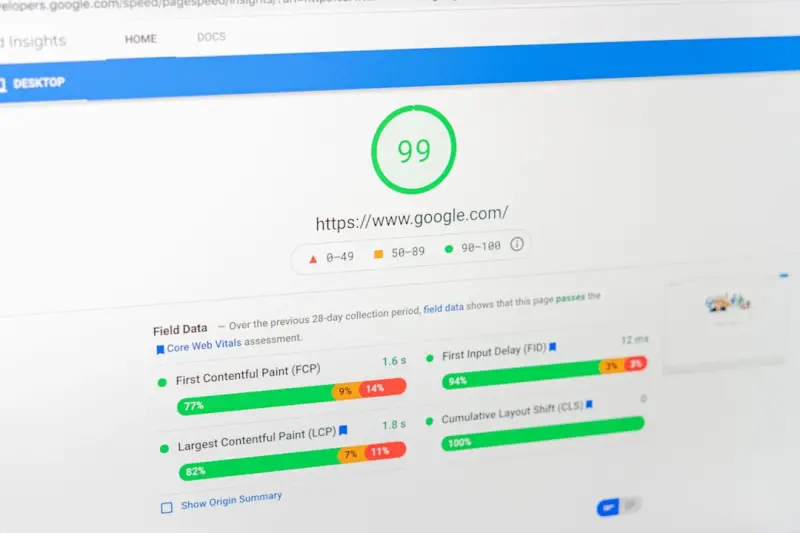
Zero‑click results demand lightning‑fast, reliable delivery of structured content. Any delay in loading your JSON‑LD schema or a broken markup snippet can cause Google to fall back to competitor content. Leveraging an edge‑first architecture—where static assets and schema are served from CDN nodes closest to the user—ensures that Google’s crawlers see a pristine version of your markup.
For a deep dive on implementing edge‑first technical SEO, see Edge‑First Technical SEO: Leveraging CDNs and Serverless for SaaS Rankings. The same principles that improve page load times for users also boost the reliability of your zero‑click signals.
Case Study: Turning a Support Article Into a Featured Snippet Magnet
One of our SaaS clients—an enterprise analytics platform—had a sprawling knowledge base with dozens of articles on “data ingestion pipelines.” By auditing these pages for answerability, we identified a high‑search‑volume query: “How to set up a data pipeline in X platform.” We rewrote the introduction to answer the question in 35 words, added a step‑by‑step ordered list, and embedded HowTo schema.
Within two weeks, Google displayed the article as a featured snippet, capturing an estimated 15 K impressions per month without a single click. The client reported a 12 % uplift in brand‑awareness surveys and a 5 % increase in trial sign‑ups attributed to “Google answer” exposure. This illustrates how zero‑click SEO can directly contribute to the top of the funnel, even when the traditional click path is bypassed.
Integrating Zero‑Click SEO Into Your Content Workflow
To embed zero‑click thinking into your existing content pipeline, follow this three‑phase approach:
- Discovery: Use Search Console’s “Performance” report to flag queries that already generate snippets or have the potential for them.
- Optimization: Assign a “Zero‑Click” tag to content briefs, ensuring writers include answerable sections, schema, and concise definitions.
- Monitoring: Set up automated alerts for changes in SERP feature impressions and adjust strategy quarterly.
This process complements your regular SEO calendar without requiring a full team overhaul.
Future Outlook: Will Zero‑Click Dominate the SERP?
Industry forecasts suggest that as AI‑driven answer engines (think Google’s MUM and Gemini) evolve, the proportion of zero‑click searches could rise to 70 % or more. For SaaS brands, that means the classic “get more clicks” mantra will share the stage with “own the answer.” Companies that proactively design content for immediate consumption will enjoy sustained brand authority, higher assisted conversions, and a competitive edge in an increasingly voice‑ and AI‑centric search ecosystem.
In the end, zero‑click SEO isn’t about abandoning traffic—it’s about expanding the definition of what “traffic” means. When your brand appears in a snippet, a panel, or an answer box, you’re already in the conversation. The challenge is to make that conversation count.

Margaret Thomson is a seasoned freelance writer specializing in the dynamic worlds of marketing and advertising. With a career deeply rooted in the marketing field, Margaret brings a wealth of practical experience and insightful knowledge to her writing.
Related Posts

Visual Search Is Coming: Why Image & Video SEO Matter Now
Visual search is rapidly changing the SEO game. This article explores why images and videos are now ... Read More
AI‑Driven Topic Clustering: Redefining SaaS SEO Strategy
AI‑driven topic clustering offers SaaS companies a scalable way to organize content around user in... Read More
Rose DesRochers Decodes the Hottest SEO News of 2024
Rose DesRochers unpacks 2024’s most significant SEO changes, from AI‑generated snippets to new i... Read More
Top Posts

The Intent‑First Playbook: Turning Search Queries into Sustainable Google Rankings
Learn how shifting to an Intent‑First SEO approach can boost your Google rankings, improve user engagement, and future‑proof your content strategy with prac...Read More

Cracking Passage Indexing: How to Shape Every Section for Rankings
Passage indexing lets Google rank individual sections of a page. This guide shows how to map intent, craft focused headings, use semantic HTML, and link directl...Read More

How Customer Reviews Can Supercharge Your eCommerce SEO
Customer reviews are more than social proof—they’re a powerful SEO asset. Learn how to structure, leverage, and optimize review content to dominate SERPs, i...Read More

Google’s Helpful Content Update: What SaaS Marketers Need to Know
The Helpful Content update forces SaaS marketers to prioritize genuine user value over keyword stuffing. This guide breaks down why SaaS sites are vulnerable an...Read More
0 Comments
Post Comment
You will need to Login or Register to comment on this post!