
Why Google’s Entity Graph Matters More Than Ever for SaaS Brands
When the conversation around Google’s algorithm shifts to “machine‑learning” or “core web vitals,” the underlying semantic engine that powers knowledge panels, related entities, and the very notion of “authority” often stays in the background. That engine is the Entity Graph—Google’s massive, constantly evolving network of real‑world concepts linked together by relationships and context. For SaaS companies, cracking the code of this graph can turn a modest product page into a trusted node that Google surfaces across a variety of SERP features.
What Exactly Is the Entity Graph?
Think of the Entity Graph as a giant, AI‑fuelled mind map. Each “entity”—a company, a technology, a person, a piece of software—has a unique identifier in Google’s Knowledge Base. Those identifiers are then connected via relationships: “offers,” “integrates with,” “competes with,” “founded by,” etc. When a user asks Google a question, the search engine doesn’t just match keywords; it looks up the relevant entities, evaluates their connections, and surfaces the most semantically relevant answer.
- Entity Types: Brands, products, APIs, concepts, industry terms.
- Signals: Structured data, inbound links, user interaction, co‑occurrence in reputable content.
- Outputs: Knowledge panels, rich snippets, “People also ask,” and the new “entity cards” that appear in mobile SERPs.
Why SaaS Should Care
SaaS businesses live at the intersection of technology and business processes. Their value proposition is often a complex web of integrations, APIs, and outcomes. If Google can map those relationships accurately, it can present your solution directly in the SERP—before a prospect even clicks a link. That means zero‑click visibility, higher click‑through rates on the few clicks that do happen, and a stronger brand perception as an “authority node” in the ecosystem.
Mapping Your SaaS to the Graph: A Step‑by‑Step Playbook
Below is a practical framework you can start implementing today. Each step aligns with a specific type of signal that Google uses to enrich its Entity Graph.
1. Define Core Entities and Their Relationships
Start by inventorying the entities that make up your business:
- Brand Entity: Your company name, logo, and tagline.
- Product Entities: Each SaaS product, module, or tier.
- API Entities: Public, private, or partner APIs.
- Industry Concepts: “Customer Success Automation,” “Revenue Operations,” etc.
Next, sketch out how they connect. For example, “Product A integrates with Salesforce,” or “API B supports JSON‑LD.” This relational map will become the blueprint for your content and markup strategy.
2. Build Structured Data That Mirrors the Map
Google loves structured data because it gives the engine explicit signals about entity type and relationships. Use schema.org types such as SoftwareApplication, WebAPI, and Organization. Include properties like offers, applicationCategory, and integration where applicable.
Example JSON‑LD snippet for a SaaS API:
{
  "@context": "https://schema.org",
  "@type": "WebAPI",
  "name": "Acme Analytics API",
  "description": "RESTful API delivering real‑time analytics data.",
  "url": "https://api.acme.com/v1",
  "provider": {
    "@type": "Organization",
    "name": "Acme Corp",
    "url": "https://acme.com"
  },
  "softwareVersion": "2.4.1",
  "documentation": "https://docs.acme.com/api"
}
Publish this markup on your developer portal, API reference pages, and even on relevant blog posts. Google will ingest it and associate the API entity directly with your brand.
3. Earn High‑Quality Mentions and Co‑Occurrences
The Entity Graph thrives on relationships built by external sites. A mention of “Acme Analytics” alongside “Google Cloud” on a reputable tech blog is a strong signal that the two entities are related. To accelerate this:
- Publish guest posts that discuss integrations with other platforms.
- Partner with industry analysts and request inclusion in their research reports.
- Encourage satisfied customers to write case studies that naturally co‑mention your product and their tech stack.
Every co‑occurrence is a data point Google can use to refine the graph.
4. Optimize for Entity‑Centric Queries
Traditional keyword research still matters, but you should also target “entity queries.” These are searches that look for a specific thing, such as “Acme analytics API documentation” or “Acme revenue operations platform pricing.” Create dedicated landing pages that answer these queries directly, using clear headings and concise answers that Google can extract for featured snippets or entity cards.
5. Leverage Existing Google Features to Amplify Entity Signals
Two Google products are especially useful for SaaS companies:
- Google Business Profile (GBP): Even if you’re B2B, a verified GBP provides a verified brand entity, complete with logos, descriptions, and links.
- Google Knowledge Panel Contributions: Use the “Suggest an edit” feature to add missing information about your product or API. If you can prove authenticity, Google will incorporate the edits.
6. Monitor and Iterate Using the MUM Era Playbook
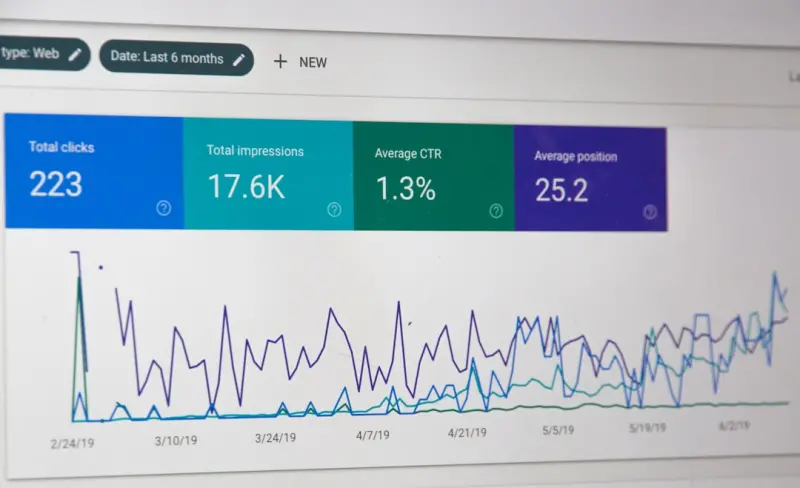
Google’s Multitask Unified Model (MUM) now evaluates content across languages, formats, and signals. Track how your entity pages perform in Google Search Console’s “Enhancements” reports—especially the “Entity” and “FAQ” sections. Look for spikes in impressions when you add new relationships or update structured data. Iterate based on the data.
Case Study: Turning an API into a Knowledge Panel Star
Consider a mid‑size SaaS that offers a “Customer Feedback API.” Initially, the API page ranked on the second page for “customer feedback integration.” By implementing the steps above, they achieved the following:
- Added
WebAPIschema with detailed properties. - Secured guest posts on three major SaaS review sites, each mentioning the API alongside “Zapier” and “HubSpot.”
- Created a dedicated “FAQ” page targeting entity queries like “Customer Feedback API pricing.”
- Submitted a knowledge panel edit request adding the API logo and official documentation URL.
Within three months, Google displayed an entity card for the API directly in the SERP for “customer feedback API.” This card included the logo, a short description, pricing tier, and a link to the API docs. The result? A 45 % increase in organic traffic to the API documentation and a 30 % rise in trial sign‑ups traced back to the entity card clicks.
Measuring Success: The Metrics That Matter
Traditional SEO KPIs still apply, but you’ll also want to track these entity‑specific signals:
- Entity Impressions: How often Google shows your knowledge panel or entity card.
- Entity Click‑Through Rate (CTR): The proportion of users who click from the panel to your site.
- Co‑occurrence Volume: Number of external pages that mention your brand alongside related entities (track via Ahrefs or SEMrush “mentions” reports).
- Structured Data Errors: Monitor Google Search Console for any markup warnings that could dilute your entity signals.
Common Pitfalls and How to Avoid Them
- Over‑Optimizing Schema: Adding unrelated schema types just to “stuff” markup can trigger manual actions. Stick to the most relevant types.
- Neglecting Consistency: Inconsistent brand naming (e.g., “Acme Corp” vs. “Acme”) confuses the graph. Use a canonical name across all assets.
- Ignoring User‑Generated Content: Reviews, forum posts, and community discussions are rich sources of entity signals. Encourage happy customers to share their experiences on platforms like G2, Capterra, and Reddit.
- Relying Solely on Technical SEO: While core web vitals and crawl budget matter, they won’t surface your brand in the entity layer without strong semantic signals.
Future Outlook: From Entities to “Experience Graphs”
Google is already hinting at an evolution beyond static entities toward a dynamic “Experience Graph” that captures user intent, context, and real‑time interactions. For SaaS, this means that the moment a prospect engages with a product demo, clicks a pricing button, or opens a support ticket, those signals could feed back into the graph and further personalize future SERP appearances. In practical terms, the better you align your product’s lifecycle data with Google’s signals—through structured data, schema, and consistent branding—the more likely you are to be featured in those hyper‑personalized results.
Action Checklist for SaaS Teams
- Map out all brand, product, API, and industry entities.
- Implement precise schema.org markup on each relevant page.
- Secure at least three high‑authority external mentions that co‑occur with related entities.
- Create dedicated landing pages for top entity‑centric queries.
- Verify and optimize your Google Business Profile for brand credibility.
- Monitor entity impressions and CTR in Search Console; iterate quarterly.
Wrapping Up
Google’s Entity Graph isn’t a mysterious black box—it’s a structured representation of real‑world relationships that can be fed, shaped, and amplified by the content you create. By treating each SaaS component—whether it’s an API, a feature, or an industry concept—as a first‑class citizen in that graph, you unlock new SERP real estate, boost trust, and drive qualified traffic without relying solely on traditional keyword rankings. The future of search is moving from “what you type” to “what you mean,” and the entities you expose today will be the pillars of tomorrow’s search experience.

Paul Flynn is a versatile freelance writer equipped with a diverse skillset and a portfolio that reflects his wide-ranging interests and expertise. From crafting compelling website copy and engaging blog posts to delivering in-depth articles and meticulously researched reports, Flynn demonstrates a remarkable ability to adapt his writing style to suit various audiences and purposes.
Related Posts

Navigating the New Wave of Google’s Algorithm: Intent Clusters, Experience, and Topic Authority
Discover how intent clustering, experience‑based E‑E‑A‑T, and structured topic maps are resh... Read More

Why Google’s Freshness Filter Is the Secret Weapon You’re Not Using
Learn why Google’s freshness filter matters, how to signal timeliness with structured data, and pr... Read More
Why Google’s Freshness Algorithm Matters More Than Ever
Google’s freshness algorithm can make or break your rankings. In this guide, I reveal why recency ... Read More
Top Posts
Entity‑Centric SEO: How SaaS Brands Can Own the Knowledge Graph
This post explains why SaaS brands should shift from keyword‑only tactics to entity‑centric SEO, offering practical steps to map core entities, implement ri...Read More
Local Influencer Partnerships: The New Engine Driving Neighborhood Search Rankings
Jessica Gills shares a fresh, community‑focused approach to local SEO—partnering with micro‑influencers to earn authentic backlinks, boost brand authority...Read More
Schema-Driven SEO: Turning SaaS Features into SERP Gold
Learn how to use schema markup—SoftwareApplication, FAQPage, Review, and more—to transform SaaS features into rich SERP assets, improve CTR, and future‑pr...Read More
SEO News: Rose DesRochers Decodes 2024’s Most Impactful Algorithm Shifts
Rose DesRochers breaks down the biggest 2024 algorithm updates, offering actionable insights on AI, context, and user experience for SEO success....Read More
0 Comments
Post Comment
You will need to Login or Register to comment on this post!