

When I first started optimizing SaaS websites, I quickly realized that the “technical” checklist was only half the battle. The other half lives right on the page itself—how the content is structured, how the reader’s intent is met, and how the page signals quality to Google. In this post I’m pulling back the curtain on the on‑page SEO tactics that often slip through the cracks but can make a measurable difference for any SaaS product.
1. Start With Intent, Not Just Keywords
Most SEO guides still begin with “keyword research,” and that’s fine—if you stop there you’ll miss the nuance of modern search. A prospect landing on your pricing page isn’t just typing “SaaS pricing” into Google; they’re looking for comparisons, value justification, and quick ROI calculations. Map each primary keyword to a specific user intent (informational, navigational, transactional) and then ask yourself:
- Does the headline answer the core question?
- Is the first 150 characters a concise, value‑driven answer?
- Do supporting sections flow logically from the intent?
When the content mirrors the searcher’s mental model, Google’s algorithm is more likely to reward you with higher rankings and richer SERP features.
2. Semantic HTML: Speak Google’s Language
Google’s crawlers have become adept at reading the hierarchy of your HTML. Using proper heading tags (<h2>, <h3>, etc.) isn’t just for accessibility; it tells the engine how you group concepts.
For a SaaS product, consider the following hierarchy:
- H2 – Core Benefit: “Automate Your Billing in Seconds”
- H3 – Feature Groups: “Recurring Invoicing”, “One‑Click Refunds”
- H4 – Sub‑Features: “Customizable Tax Rules”, “Multi‑Currency Support”
This semantic scaffolding helps Google surface your page for both broad and long‑tail queries, and it improves the chances of being pulled into “People also ask” boxes.
3. Structured Content That Feeds Rich Snippets
While the product catalog post dives deep into schema for e‑commerce, the same principles apply to SaaS pages. Here’s a quick cheat sheet:
- FAQ schema for support or pricing FAQs.
- How‑to schema for onboarding guides or feature walkthroughs.
- SoftwareApplication schema to surface rating, pricing model, and supported platforms directly in the SERP.
Adding these snippets doesn’t replace solid copy; it amplifies it. A well‑crafted FAQ block can earn a featured snippet, driving traffic without any extra click.
4. Core Web Vitals Meet Content Layout
Core Web Vitals (LCP, CLS, FID) are no longer optional. But many SaaS teams treat them as a separate engineering problem. In reality, content decisions directly impact these metrics:
- Largest Contentful Paint (LCP): Place the most important visual (hero image, demo video, or key statistic) near the top of the page and ensure it loads under 2.5 seconds.
- Cumulative Layout Shift (CLS): Reserve space for dynamic elements like testimonials sliders or interactive pricing calculators.
- First Input Delay (FID): Keep JavaScript bundles lean for any CTA that requires immediate interaction (e.g., “Start Free Trial”).
When the user experience feels snappy, dwell time rises, bounce rates fall, and Google takes note.
5. The Power of Internal Linking for On‑Page Authority
Internal links are the arteries that deliver link equity throughout your site. A strategic internal linking plan does three things:
- Distributes ranking power from high‑authority pages (like your blog’s cornerstone content) to newer product pages.
- Guides users along a logical journey—from problem awareness to solution consideration to conversion.
- Creates contextual relevance by anchoring related terms together.
Here’s a practical workflow:
- Identify your top‑performing blog posts (e.g., community content post) that already rank for target keywords.
- Within those posts, insert contextual links to product pages or feature deep‑dives using natural anchor text.
- On each product page, add a “Related Resources” section that points back to those high‑authority articles.
This two‑way linking loop not only improves SEO but also keeps visitors on your site longer—a win‑win.
6. Optimize for Readability and Scannability
Even the most technically robust page will flop if visitors can’t digest the information quickly. The average SaaS buyer scans for:
- Bullet‑pointed benefits
- Short, punchy sentences
- Bolded key metrics (e.g., “Save 30% on admin time”)
Use the <strong> tag sparingly to highlight conversion‑critical phrases, and wrap supporting details in <em> for emphasis. Break up long paragraphs with <ul>/<li> lists, and keep sentences under 20 words wherever possible.
7. Image Optimization Beyond Alt Text
Images still play a crucial role in on‑page SEO, but many SaaS teams forget to:
- Compress images to WebP format for faster load.
- Provide descriptive, keyword‑rich
altattributes that double as a secondary SEO signal. - Leverage
srcsetto serve appropriately sized images for different devices.
When you combine these technical steps with an image caption that reinforces the page’s core message, you get both visual appeal and SEO value.
8. Harness User‑Generated Content (UGC) on Product Pages
UGC—like customer quotes, short case snippets, or community‑submitted tips—adds fresh, unique content that search engines love. Place a rotating “Customer Voice” carousel near the CTA, and make sure each quote includes a rel="ugc" attribute to signal its origin.
Beyond credibility, this approach creates natural keyword variations that broaden your on‑page relevance. Just be sure to moderate for spam and keep the tone consistent with your brand voice.
9. Leverage “Answer Boxes” with Concise Summaries
Google loves to surface concise, factual answers directly in the SERP. For SaaS products, think about the questions prospects ask:
- “How does Product X handle churn prevention?”
- “What integrations does Product Y support?”
Answer these in a dedicated <section> with a clear heading and a short paragraph (under 50 words). Use schema Answer where applicable. When Google extracts this content for an answer box, you gain visibility even without a click.
10. Continuous Testing with Real‑User Data
Finally, treat on‑page SEO as an evolving experiment. Use tools like Google Optimize, Hotjar heatmaps, and Search Console’s Page Experience report to gather data on:
- Which headings get the most scroll depth?
- How long do users linger on feature descriptions versus pricing tables?
- What CTA placement yields the highest conversion rate?
Iterate based on this data. A small tweak—like moving a testimonial above the fold—can improve dwell time and, indirectly, rankings.
Wrapping It All Up
On‑page SEO is no longer a checklist of isolated tasks; it’s an integrated discipline that blends user intent, semantic markup, performance, and content strategy. By aligning every element on the page with the visitor’s journey and Google’s ranking signals, SaaS teams can create pages that not only rank but also convert.
Take a moment to audit a high‑traffic landing page using the framework above. You’ll likely uncover quick wins—like adding an FAQ schema or tightening internal links—that can lift both organic visibility and lead quality.
Remember, the goal isn’t just to attract clicks; it’s to guide the right clicks toward a seamless, value‑driven experience that turns browsers into paying users.

Brandy Miller is a dynamic freelance writer based in the vibrant city of Cambridge, Ontario. With a passion for storytelling that knows no bounds, she crafts compelling narratives that captivate and inspire. Brandy’s love for writing shines through in her versatile work, whether she’s penning thought-provoking articles or engaging content that resonates with readers. Her unique perspective and friendly tone make her a sought-after voice in the writing community. When she’s not weaving words together, you can find her exploring the beautiful landscapes of Ontario, always seeking new adventures and inspiration for her next piece. Brandy is not just a writer; she’s a creative force, making her mark one word at a time.
Related Posts
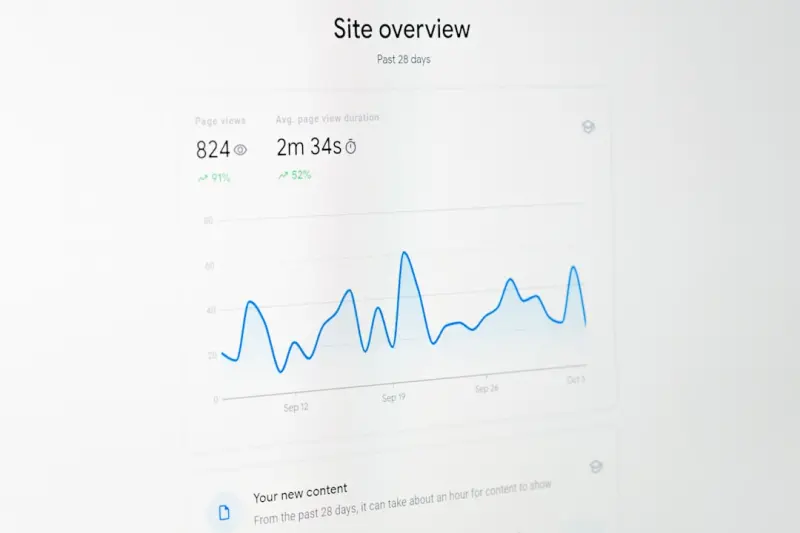
Why On-Page SEO Is the Hidden Engine Driving SaaS Growth
On‑page SEO isn’t just a technical checklist; it’s a conversion‑focused growth engine. Learn... Read More

The Art of Semantic On‑Page SEO: Elevate Rankings with Structured Content
Learn to harness semantic HTML, strategic internal links, and optimized media to supercharge on‑pa... Read More

Tiny Text, Big Impact: Microcopy That Supercharges On‑Page SEO
This post reveals how the smallest pieces of text on a website—buttons, tooltips, placeholders, an... Read More
Top Posts
Why On‑Page SEO Should Be Your SaaS Site’s Silent Conversion Booster
Learn a fresh, integrated approach to on‑page SEO that blends search visibility, user experience, and conversion tactics, turning every page into a powerful l...Read More

Unlocking Hidden Link Value with SaaS‑First Partnerships
Traditional link building is losing its edge. Learn how to transform strategic SaaS partnerships into a sustainable backlink engine by co‑creating research, d...Read More

Unlocking the Hidden SEO Benefits of Facebook Groups and Video
Learn how to turn Facebook Groups and live video into powerful SEO assets. This guide shows SaaS marketers how community authority, structured data, and data‑...Read More

Community‑Driven Commerce: How Micro‑Influencers, AI, and Sustainability Are Redefining eCommerce Marketing
Explore fresh eCommerce tactics—micro‑influencer partnerships, AI‑driven personalization, sustainable branding, live shopping, and smarter attribution—t...Read More
0 Comments
Post Comment
You will need to Login or Register to comment on this post!