

SEO is never static, and the latest buzz feels like a tidal shift that’s reshaping how we think about relevance, authority, and user intent. As I sip my morning coffee and scroll through the endless stream of algorithm updates, I can’t shake the feeling that we’re on the brink of a new paradigm—one where intent isn’t just a factor, it’s the foundation of every ranking decision. This wave is called “Intent‑First SEO,” and its momentum is undeniable, pulling marketers, content creators, and even developers into a collective re‑engineering of their digital strategies.
The Rise of Intent‑First Thinking
What started as a niche discussion among SEO veterans has exploded into mainstream coverage, and the data backs it up: queries that align tightly with user intent now enjoy higher click‑through rates, lower bounce, and longer dwell times, all signals Google rewards more heavily than raw keyword density ever did. In practice, this means we must step away from stuffing pages with variations of a target phrase and instead map content to the nuanced questions, problems, and aspirations that real people bring to the search box. Understanding intent becomes a collaborative exercise—between analysts, writers, and UX designers—where every piece of content is a response to a specific human need rather than a mere vehicle for a ranking keyword.
Why the Intent‑First Wave Is the Hottest Topic in SEO News
Industry publications are shouting about it, conferences have entire tracks dedicated to it, and the most successful brands are already reporting lift in organic traffic after pivoting their strategies. If you haven’t yet tuned in, you’ll notice headlines like Riding the Intent‑First Wave: Why It’s the Hottest Topic in SEO News dominating the feeds, and for good reason—Google’s recent guidance emphasizes “purposeful content” that satisfies the user’s query context. This isn’t a fleeting fad; it’s a strategic realignment that mirrors how search engines have evolved from simple keyword matchers to sophisticated intent interpreters powered by machine learning.
From Theory to Action: Practical Tips That Really Move the Needle
Moving from concept to execution can feel overwhelming, but the good news is that the framework is surprisingly approachable. Start by auditing your top‑performing pages to identify the core intent behind each—informational, navigational, transactional, or commercial—and then ask whether the current content fully satisfies that intent or leaves gaps. Next, enrich those pages with clear headings, concise answers, and contextual signals (like schema markup) that reinforce the intent to both users and crawlers. Finally, test variations: A/B test different call‑to‑actions, adjust the depth of content, and monitor engagement metrics to see how intent alignment improves performance. For a deeper dive, check out Intent‑First SEO: Practical Tips to Supercharge Your Rankings where I break down each step with real‑world examples.
Case Study: A Small E‑Commerce Site’s Turnaround
Last quarter, a boutique tea retailer was struggling to break the second page for “organic green tea benefits.” By shifting the page focus from a generic list of benefits to a targeted guide that answered specific user questions—“How does organic green tea improve digestion?” and “What are the caffeine levels compared to regular tea?”—they saw a 42% increase in organic clicks within six weeks. The key was mapping each sub‑question to a distinct, well‑structured section, using FAQ schema to surface answers directly in SERPs, and ensuring the page’s internal linking hierarchy reinforced the primary intent. This transformation illustrates how even modest sites can leverage intent‑first tactics to outperform larger competitors still clinging to outdated keyword stuffing habits.
What the Future Holds for Intent‑First SEO
Looking ahead, we can expect Google’s AI‑driven models to become even more adept at discerning subtle shades of intent, meaning the gap between “good enough” and “exceptional” content will widen. Voice search, visual search, and multimodal queries will further amplify the need for content that speaks directly to user goals across formats. As search engines blend contextual cues from browsing history, location, and device, the onus is on marketers to deliver hyper‑personalized experiences that anticipate intent before the user even articulates it. In this evolving landscape, staying ahead means continually refining your intent taxonomy, investing in structured data, and fostering a culture where every piece of content is evaluated through the lens of user purpose.
How Marketers Can Stay Ahead of the Curve
To remain competitive, marketers must adopt a mindset of constant learning and agile iteration. Set up regular workshops with cross‑functional teams to dissect search query data, user feedback, and SERP features, then translate those insights into actionable content briefs. Leverage tools that surface intent clusters and map them to the buyer’s journey, ensuring that each stage—awareness, consideration, decision—has a dedicated, intent‑aligned asset. Moreover, keep an eye on emerging trends like AI‑generated snippets and real‑time personalization; these will reward the most intent‑aware sites with prime visibility. For a strategic roadmap, the guide Embracing Intent‑First SEO: A Marketer’s Roadmap to Sustainable Rankings offers a step‑by‑step plan to embed intent at the heart of your SEO workflow.
Measuring Success in an Intent‑First World
Traditional metrics like keyword rankings still matter, but they’re no longer the sole indicator of success. Focus on engagement signals that reflect intent fulfillment: time on page, scroll depth, interaction rates with embedded FAQs, and conversion paths that trace back to intent‑rich landing pages. Use Google Search Console’s “Queries” report to monitor shifts in query intent distribution, and pair that with heatmap tools to visualize how users navigate content that’s been purpose‑engineered. When you see a steady rise in “question” queries leading to higher CTRs and lower pogo‑sticking, you’ve hit the sweet spot where intent and content intersect seamlessly.
Wrapping Up: Ride the Wave or Get Left Behind
The intent‑first revolution isn’t a passing trend; it’s a fundamental redefinition of how search engines evaluate relevance. Brands that embrace this shift will enjoy sustainable rankings, stronger brand trust, and a more resilient traffic foundation as algorithms continue to evolve. As we navigate this new era, remember that the core principle remains timeless: deliver what the user truly seeks, and the rankings will follow. Stay curious, stay data‑driven, and keep surf‑boarding the intent wave—you’ll find the ride not only exhilarating but also immensely rewarding for your SEO strategy.

When it comes to the world of blogging and writing, Rose DesRochers is a name that stands out. Her passion for creating quality content and connecting with her audience has made her a trusted voice in the industry. Aside from her skills as a writer and blogger, Rose is also known for her compassionate nature.
Related Posts

The Intent‑First Wave Is Redefining SEO News
Explore the rise of intent‑first SEO, learn actionable steps to align content and tech with user p... Read More

Beyond Keywords: Mastering the New Wave of AI-Powered SERP Features
The SERP is evolving from simple links to AI‑generated answers and summaries. Discover how to adap... Read More

Intent‑First SEO: Why Today’s Search Landscape Is Shifting Toward Real User Goals
Explore the rise of intent‑first SEO, its impact on rankings and conversions, and practical steps ... Read More
Top Posts

Why User‑Generated Content Is the Secret Weapon for eCommerce SEO
User‑generated content isn’t just social proof; it’s a potent SEO engine. Learn how to harvest, structure, and integrate reviews, photos, and Q&A into a s...Read More
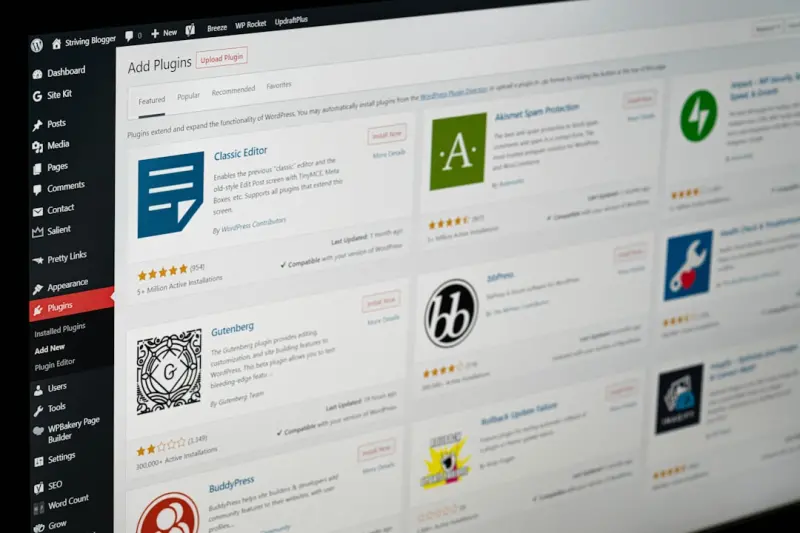
Scaling Authority with WordPress Multisite: An SEO Playbook
Unlock the SEO potential of WordPress Multisite. This guide reveals how to consolidate authority, boost rankings, and scale content across a network of sites....Read More

Mastering Crawl Budget: The Silent Engine Behind Google Algorithm Success
Discover why crawl budget matters, practical steps to optimize it, and how to future‑proof your site against Google's evolving algorithm....Read More

Voice & Visual SEO: The Dual Engines Powering Modern eCommerce
Discover how to dominate both voice and visual search with conversational keyword research, rich FAQs, image and video optimization, and schema markup—turning...Read More
0 Comments
Post Comment
You will need to Login or Register to comment on this post!