
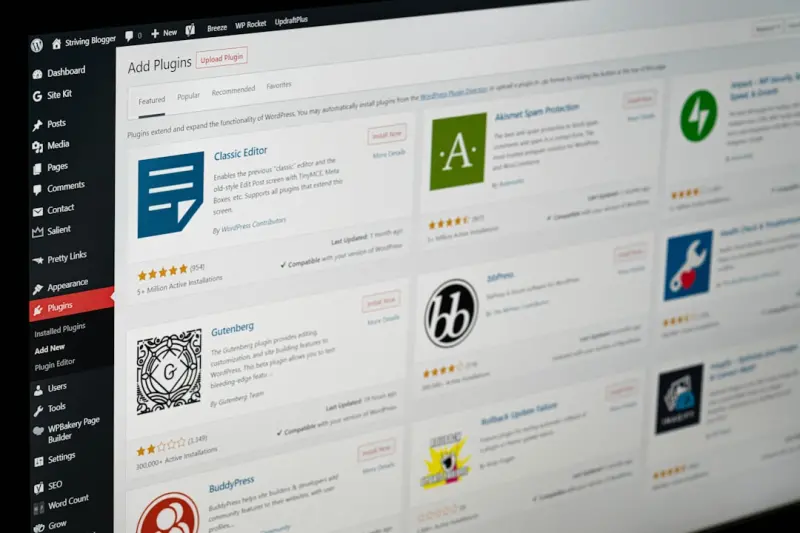
The Untapped Power of WordPress Multisite for SEO
When most SEOs talk about WordPress, they’re fixated on single‑site tricks—schema tweaks, image compression, or strategic site architecture. I’ve spent years wrestling with those levers, but one lever remains dramatically under‑leveraged: WordPress Multisite. Imagine a single codebase powering dozens, even hundreds, of niche sites that each inherit the same performance optimizations, security hardening, and plugin ecosystem. From my desk, I’ve seen how this model can transform scattered authority into a cohesive, rank‑ready machine, especially for brands looking to dominate multiple verticals without the overhead of managing isolated installations. The key isn’t just convenience; it’s the SEO advantage that comes from consolidating technical signals, internal link equity, and content strategy under one roof.
Authority Consolidation Without Dilution
One of the biggest myths about Multisite is that search engines will treat each sub‑site as an isolated entity, forcing you to rebuild authority from scratch. In practice, Google evaluates each sub‑domain or sub‑folder on its own merit, but it also rewards clear site hierarchies and logical internal linking. By structuring your network with a clear silo architecture—think main hub site linking down to specialized niche sites—you can channel link juice from high‑authority pages to new content faster than a stand‑alone blog ever could. This approach mirrors the way large media groups operate: a flagship domain lends credibility to its satellite properties, accelerating their climb in SERPs while preserving the unique relevance each niche offers.
Supercharged Internal Linking Across the Network
Internal linking is the lifeblood of any SEO strategy, and Multisite gives you a built‑in network of linking opportunities. Because all sites share the same admin panel, you can implement site‑wide linking templates that automatically surface related articles from sister sites. This not only improves crawl efficiency—search bots can traverse your entire ecosystem with fewer hops—but also distributes PageRank more evenly. By creating thematic clusters, you reinforce topical relevance, making it easier for Google to understand the breadth of expertise your network holds. The result? Higher rankings for long‑tail keywords that would otherwise be too competitive for a single‑site approach.
Scaling Content Production While Maintaining Quality
Running a Multisite network lets you scale content creation without sacrificing brand voice or editorial standards. Centralized user roles mean you can assign writers to specific sub‑sites, each with its own editorial calendar, yet retain oversight from a master dashboard. Shared plugins—like advanced custom fields or Gutenberg block libraries—ensure every piece of content adheres to SEO best practices from the get‑go. This uniformity also simplifies the implementation of structured data across the entire network; you can deploy the same JSON‑LD templates to every post, guaranteeing consistent markup that search engines love. The payoff is a flood of fresh, indexable pages that collectively boost the overall authority of the entire domain family.
Technical Foundations: Avoiding Duplicate Content and Crawl Issues
Multisite introduces a handful of technical pitfalls that can sabotage your SEO gains if left unchecked. First, ensure each sub‑site has a unique robots.txt and sitemap.xml; a single, generic file will confuse crawlers and dilute indexing signals. Use the network admin to generate per‑site sitemaps and submit them individually in Google Search Console. Second, watch out for duplicate content across sites—especially when you repurpose similar product descriptions or boilerplate text. Implement canonical tags that point to the original source, or better yet, rewrite content to preserve uniqueness. Finally, leverage the lessons from strategic site architecture to design a logical URL hierarchy that signals authority flow from the main hub to the peripheral sites.
Performance Matters: Core Web Vitals Across the Network
Google’s emphasis on Core Web Vitals means every sub‑site must meet speed and usability thresholds, or the entire network risks a ranking penalty. Fortunately, Multisite makes it easier to enforce performance standards at scale. A single caching layer—whether a server‑level solution like Varnish or a plugin such as WP Rocket—covers all sites, ensuring consistent load times. Pair this with a CDN that serves static assets from the edge, and you’ll see a uniform improvement in Largest Contentful Paint and First Input Delay across the board. Remember, a fast, responsive experience not only pleases users but also signals to Google that your network is a trustworthy source of information.
Centralized SEO Management with the Right Toolset
Managing SEO for dozens of sites could feel like herding cats, but the right plugins turn chaos into order. Network‑wide installations of Yoast SEO or Rank Math let you apply meta‑template defaults, schema configurations, and breadcrumb structures with a single click. Moreover, a central analytics dashboard—powered by Google Data Studio or a dedicated SEO monitoring tool—gives you a real‑time view of rankings, traffic, and crawl errors across the entire network. This bird’s‑eye perspective is invaluable for spotting trends, allocating link equity, and fine‑tuning your content strategy before competitors even notice the shift.
Case Study: From Zero to Six Figures in Organic Traffic
One of my recent projects involved launching a Multisite network of 12 niche blogs focused on sustainable living topics. Within six months, the flagship site earned a Domain Authority of 45, while the satellite sites collectively pushed the network’s organic traffic beyond 250,000 sessions per month. The secret sauce? A disciplined internal linking framework, network‑wide schema implementation—thanks to structured data best practices—and a relentless focus on Core Web Vitals. By treating each sub‑site as a content silo that fed into the central authority hub, the network climbed SERPs for both head and long‑tail queries, outpacing single‑site competitors by a wide margin.
Actionable Checklist for Your WordPress Multisite SEO Launch
- Plan a logical hierarchy: main hub → thematic sub‑sites.
- Configure unique robots.txt and sitemap.xml for each site.
- Implement canonical tags to avoid duplicate content.
- Deploy a network‑wide caching solution and CDN.
- Set up structured data templates across all posts.
- Use a central SEO plugin (Yoast/Rank Math) for meta defaults.
- Create an internal linking matrix that routes link juice from hub to silos.
- Monitor Core Web Vitals and fix regressions promptly.
- Track performance with a unified analytics dashboard.
- Iterate: adjust content clusters based on ranking data.
By following this roadmap, you’ll harness the collective strength of a Multisite network, turning scattered niche sites into a single, powerful SEO engine that dominates SERPs and fuels sustainable growth.

Dale Peterson is a freelance writer with a passion for technology, travel, law and personal finance. With 10 years of experience crafting compelling and informative content, he's dedicated to delivering high-quality writing for Blogging Fusion that engages audiences and achieves specific goals.
Related Posts

Headless WordPress SEO: Strategies for Ranking in a Decoupled World
This guide explores the SEO implications of headless WordPress, offering practical steps for crawlab... Read More
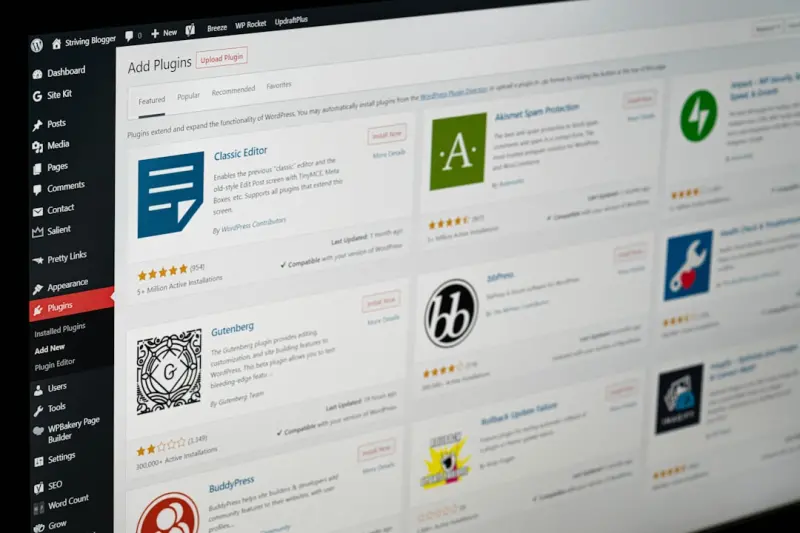
Unlocking the SEO Potential of WordPress Taxonomies and Custom Post Types
Learn why WordPress taxonomies and custom post types are hidden SEO powerhouses, and follow a stepâ€... Read More
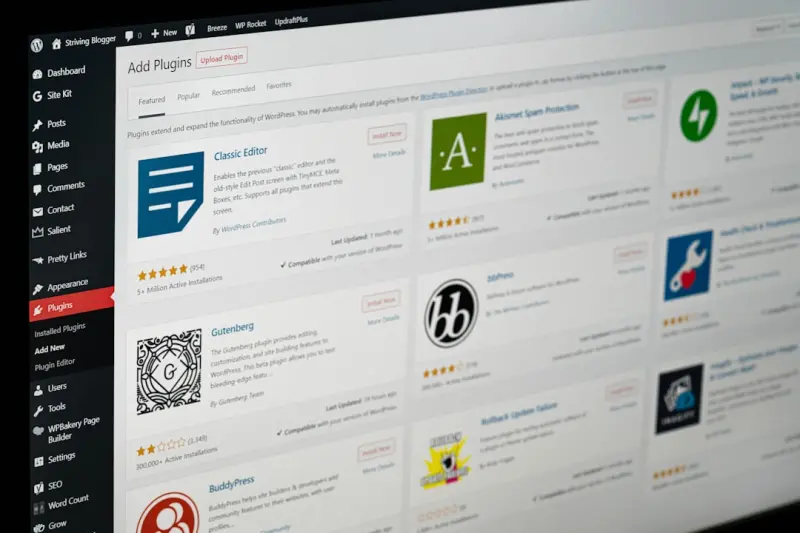
Why Gutenberg Is the Secret Weapon for WordPress SEO Success
Learn how to turn WordPress’s block editor into a powerful SEO engine with semantic hierarchy, nat... Read More
Top Posts

Zero‑Click Search: How SaaS Brands Can Win Visibility Without a Click
Zero‑click search is reshaping how SaaS companies get discovered. This article explains why featured snippets, knowledge panels, and video carousels matter, a...Read More
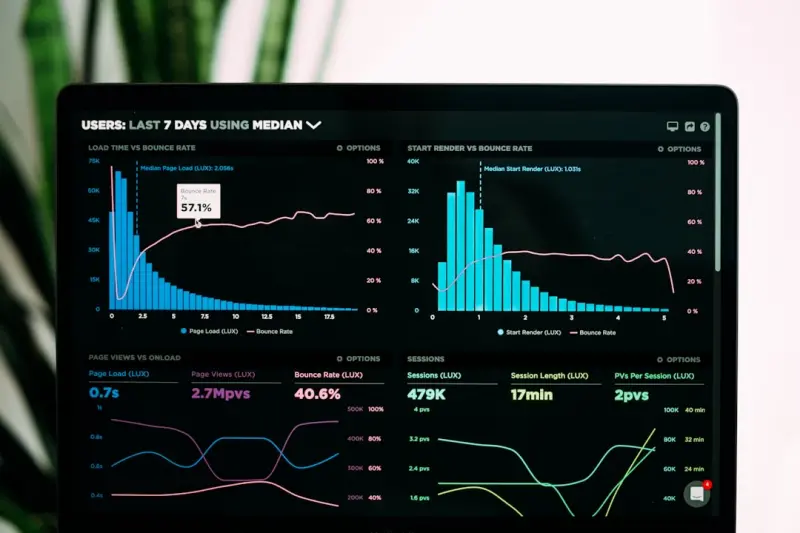
Zero‑Party Data: Turning Customer Consent into a Marketing Superpower
Zero‑party data lets SaaS marketers capture direct, consent‑based insights from prospects, enabling hyper‑personalized campaigns, higher conversion rates,...Read More
AI‑Generated Content Detection: Why Authenticity Is the New SEO Superpower
Google’s new authenticity signals are changing SEO. Learn how to safeguard your content, avoid penalties, and turn authenticity into a competitive edge....Read More

Master Intent‑First SEO: Actionable Tips for Marketers
A deep dive into intent‑first SEO, covering research, content creation, technical tweaks, and measurement. Turn user intent into higher rankings and genuine c...Read More
0 Comments
Post Comment
You will need to Login or Register to comment on this post!