

Why Structured Data Matters More Than Ever
When Google’s algorithms grew smarter, they started rewarding sites that could speak the same language as the search engine. Structured data is that lingua‑franca, allowing crawlers to understand the nuance behind a headline, a product price, or an event date without guessing from plain text alone. This clarity translates directly into rich results—those eye‑catching SERP features like star ratings, breadcrumbs, and FAQ expanders that can boost click‑through rates by double digits. But the value goes beyond aesthetics; it signals to Google that your page is meticulously organized, which aligns with the search giant’s push for trustworthy, user‑first content. In an ecosystem where helpful content guidelines dominate the conversation, structured markup becomes the silent partner that confirms your page’s relevance and authority.
Choosing the Right Schema Types for Your Content
The first step in any on‑page SEO overhaul is to audit what you’re actually publishing and match it to the appropriate schema vocabulary. A news article, a how‑to guide, a product page, and a local business each have dedicated types that convey specific attributes—author name, publication date, price, opening hours, and more. Selecting the wrong type not only wastes markup but can also trigger manual actions if Google detects mismatch. For instance, marking a blog post as a Product might confuse the parser and lead to a loss of trust. By aligning each page with its most accurate schema, you give Google a precise map of your content’s purpose, which in turn fuels better indexing and richer SERP placements.
Article and BlogPosting
For most content marketers, the Article and BlogPosting types are the bread and butter of structured data. They let you specify the headline, author, datePublished, and even the word count—details that feed into Google’s “Top Stories” carousel and other news features. Including a publisher object with a logo can also boost brand visibility in the knowledge panel. The key is to keep the markup lean: avoid over‑populating optional fields that you don’t have reliable data for, as incomplete or inaccurate entries can be flagged as spammy. Remember, consistency across your site—using the same property names and formats—helps Google’s parser build a cohesive picture of your brand’s content ecosystem.
FAQ and How‑To
FAQ and How‑To schemas have exploded in popularity because they directly answer user questions in the SERP, driving instant traffic. When you wrap a list of common queries in FAQPage markup, each question and answer can appear as an expandable box, dramatically increasing visibility for long‑tail searches. Similarly, HowTo markup lets you break down step‑by‑step instructions, complete with images, duration, and supply lists, which can surface in the “People also ask” panel. These formats not only enhance rankings but also improve user satisfaction by delivering the exact information they seek without a click. Implement them thoughtfully—ensure each question truly reflects user intent and each step is concise yet comprehensive.
Implementing Schema Without Breaking the Page
Adding JSON‑LD blocks to your HTML is the safest route, as it keeps markup separate from visible content and minimizes the risk of layout shifts. Place the script tag just before the closing <head> or at the end of <body> to keep the page rendering pipeline clean. If you must use microdata, be meticulous about nesting to avoid validation errors that could cause Google to discard the entire block. Testing tools like Google’s Rich Results Test are indispensable; they flag syntax errors and warn about missing required properties before you push changes live. Additionally, keep an eye on page load times—excessive markup can bloat the HTML payload, subtly impacting Core Web Vitals, which remain a core ranking signal.
Testing and Monitoring Structured Data
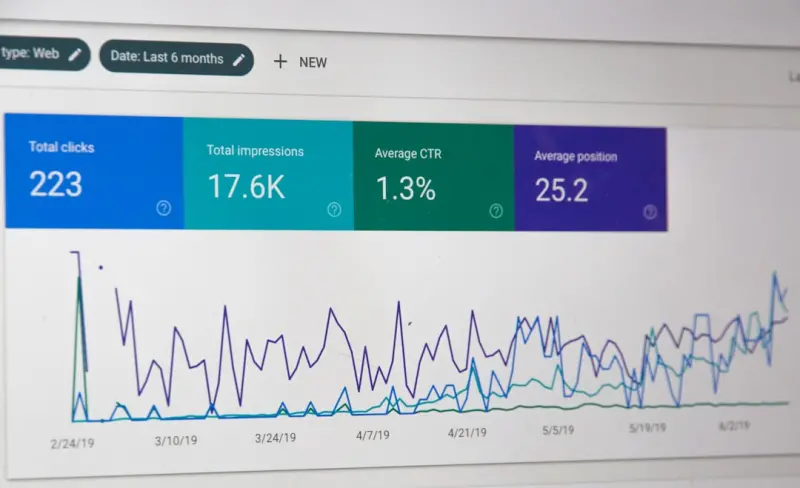
Once your markup is live, the work isn’t done. Google Search Console now includes a dedicated “Enhancements” report that surfaces issues with FAQ, How‑To, and other schema types. Regularly reviewing this report helps you catch broken snippets before they erode click‑through rates. For deeper insights, use the link magnet guide to see how structured data influences inbound linking patterns; rich results often attract higher-quality backlinks. Set up automated alerts with tools like Screaming Frog or Sitebulb to crawl your site weekly and flag any missing or malformed schema. Proactive monitoring ensures your markup remains an SEO asset rather than a liability.
Content Refresh: Using Schema to Signal Updates
Search engines love fresh content, but they also need clear signals that a page has been updated. Including the dateModified property in your Article or BlogPosting schema tells Google precisely when the last edit occurred, prompting a quicker re‑crawl. Pair this with a visible “Updated on” note for users, creating a win‑win: humans see the relevance, and bots get a machine‑readable timestamp. For product pages, the Offer schema’s priceValidUntil field can indicate sales periods, driving timely visibility in shopping results. By integrating these temporal markers into your markup, you align the page’s perceived freshness with actual content changes, a synergy that can boost rankings for time‑sensitive queries.
Integrating Schema with User Experience Signals
Structured data should complement, not replace, a solid user experience. When rich snippets appear, users expect the underlying page to deliver on the promise shown in the SERP. This expectation directly affects bounce rates and dwell time—metrics that Google increasingly uses to gauge quality. For example, a FAQ rich result that answers a question succinctly must be backed by a detailed, well‑structured answer on the landing page. Similarly, a recipe’s Recipe schema should be accompanied by a clean, mobile‑friendly layout that includes ingredient lists and cooking steps. By ensuring your on‑page design reinforces the structured data, you create a cohesive journey that satisfies both users and search engines.
Future‑Proofing Your On‑Page SEO with Emerging Markup
As AI-driven search evolves, new schema types are emerging to capture more nuanced data—think Dataset, SoftwareApplication, and even AIModel. Early adopters who experiment with these can gain a competitive edge, especially in niche verticals where specialized rich results are scarce. Keep an eye on the Schema.org roadmap and Google’s developer blog for announcements about upcoming types and deprecations. Building a flexible markup framework—using modular JSON‑LD templates that can be swapped out as standards evolve—will save you time and protect your SEO investments. In short, treat schema as a living component of your on‑page strategy, ready to adapt as the search landscape advances.

Paul Gray is a dynamic blogger based in Brampton, where he shares his life with his amazing wife, Sarah. Known for his engaging writing style and relatable insights, Paul has carved out a niche in the blogging world that resonates with readers from all walks of life. When he's not crafting captivating posts, you can find him savoring a cold beer or indulging in the latest blockbuster movie. With a friendly demeanor and a passion for storytelling, Paul brings a unique perspective to his work, making him not just a blogger, but a voice for those who appreciate the simple joys of life.
Related Posts

Turning On-Page SEO Into a Storytelling Canvas
Discover a fresh, narrative‑focused approach to on‑page SEO that blends storytelling, visual hie... Read More

Beyond Keywords: Page Experiences That Rank & Convert
A fresh, experience‑first approach to on‑page SEO shows SaaS marketers how to align user intent,... Read More

Cracking Passage Indexing: How to Shape Every Section for Rankings
Passage indexing lets Google rank individual sections of a page. This guide shows how to map intent,... Read More
Top Posts
From Support Tickets to SERP Wins: Data‑Driven SEO for SaaS
Discover fresh SEO tactics that leverage your SaaS product’s own data—support logs, pricing tables, in‑app searches, and demo videos—to create high‑in...Read More

Intent‑First SEO: The Modern Marketer’s Blueprint for Ranking Success
Explore the power of intent‑first SEO with practical tips, real‑world examples, and a clear roadmap to elevate your rankings and drive qualified traffic....Read More

Navigating the Next Wave of Search: AI‑Powered Intent Clusters and Zero‑Click Strategies
Discover the emerging SEO tactics—AI intent clusters, zero‑click optimization, visual search, and updated E‑E‑A‑T—that will define search success in...Read More

Turning Data into Dialogue: AI‑Driven Product Narratives That Rank
Learn a step‑by‑step framework for using AI to create intent‑focused, semantically rich product copy, add structured data, and scale the process across la...Read More
0 Comments
Post Comment
You will need to Login or Register to comment on this post!