

Why On-Page SEO Needs a Narrative Makeover
When I first started optimizing landing pages for a SaaS platform, the checklist was all titles, meta tags, and keyword density. It worked—until the SERP turned into a storytelling arena where Google rewards pages that hold a conversation with the reader. Today, on‑page SEO isn’t just about ticking technical boxes; it’s about constructing a narrative architecture that guides users from curiosity to conversion while signaling relevance to search engines.
From Keywords to Story Beats
Keywords are still the backbone, but they no longer sit in isolation. Think of each primary keyword as a chapter title in a larger story. Your sub‑headings, bullet points, and even image captions become the supporting scenes that flesh out the plot. This approach forces you to ask:
- What is the core question the user is asking?
- Which sub‑questions naturally follow?
- How can I resolve the reader’s problem within the same page?
Answering these questions creates a logical flow that both readers and crawlers can follow, reducing bounce rates and increasing dwell time—signals that Google now interprets as content quality.
Mapping the User Journey Directly on the Page
Every on‑page element should correspond to a step in the buyer’s journey:
- Awareness: A compelling hook in the
<h2>that mirrors the user’s search intent. - Consideration: Data‑rich sections with case studies, charts, or short videos that provide proof points.
- Decision: Clear calls‑to‑action (CTAs) embedded in the copy, not just at the bottom.
When the page itself narrates this progression, users feel guided rather than bombarded, and search engines see a cohesive structure that answers the query end‑to‑end.
Semantic HTML: The Unsung Hero of Narrative SEO
Using semantic tags—<section>, <article>, <nav>, <aside>—helps search engines understand the hierarchy of your story. For example, wrap a product comparison table inside an <article> with a clear <header> and <footer>. This not only improves accessibility but also gives crawlers contextual clues that go beyond plain text.
Crafting Microcopy That Ranks
Microcopy—those tiny snippets of text on buttons, form fields, and error messages—can be optimized for both readability and search relevance. A button that reads “Start Your Free Trial in 30 Minutes” incorporates a long‑tail phrase while setting an expectation. When you align microcopy with the page’s primary intent, you reinforce the narrative while nudging users toward the next step.
Visual Content as Narrative Anchors
Images, infographics, and videos should act as visual chapters. Optimize alt text not just for keywords but for descriptive storytelling:
Alt text example: “Dashboard view showing a 35% increase in churn reduction after implementing automated alerts.”
This practice satisfies accessibility, improves image search visibility, and strengthens the page’s semantic relevance.
Leveraging Internal Linking for Story Continuity
Internal links are the connective tissue that turns isolated pages into a cohesive saga. Instead of a generic “Read more,” use anchor text that signals the next narrative beat, such as “Explore our data‑driven onboarding framework.” This approach mirrors the logic of a well‑written series, where each episode references the previous one.
For a deeper dive on linking strategies, see Unlocking the Power of Internal Linking for eCommerce SEO.
Content Audits: Pruning to Keep the Story Tight
Just like an editor removes filler sentences, a regular content audit trims outdated sections, consolidates duplicate topics, and refreshes stale data. Identify pages with low engagement, then either rewrite them to better fit the narrative arc or merge them into a more comprehensive pillar page. This not only improves user experience but also concentrates link equity.
Structured Data as the Plot Outline
Schema markup provides search engines with a concise outline of your page’s story. While you may have already added basic Article or Product schema, consider richer types like FAQPage or HowTo that mirror the question‑answer flow within your copy. This signals to Google that your page is a complete answer, increasing chances for rich snippets.
Freshness Loops: Turning Evergreen Content into a Living Narrative
Evergreen pages shouldn’t stay static. Schedule quarterly updates that incorporate new data, customer testimonials, or emerging industry trends. When you add a fresh paragraph, revise the sub‑headings to reflect the updated storyline. Google rewards this kind of “living content” with periodic rank boosts.
Balancing Brand Voice with SEO Requirements
Mei Chen’s writing style is conversational yet data‑driven. The challenge is to maintain that tone while satisfying SEO constraints. Use a voice‑consistent keyword map that lists synonyms and brand‑specific phrasing. Replace mechanical keyword stuffing with natural variations that still hit the semantic targets.
Case Study: Turning a Technical Whitepaper into a Narrative Landing Page
One of our SaaS clients had a 20‑page PDF on “API Rate Limiting.” We transformed it into a 2,500‑word landing page that followed a story arc:
- Introduce the pain point (slow API responses).
- Explain the concept of rate limiting with real‑world analogies.
- Showcase a step‑by‑step implementation guide.
- Wrap up with a CTA to schedule a demo.
After publishing, organic traffic increased by 68%, and the page earned a featured snippet for “What is API rate limiting?” For more technical SEO insights, read Making Your SaaS API Documentation Rank.
Measuring Narrative Success: Metrics That Matter
Beyond traditional rankings, monitor these narrative‑centric metrics:
- Average Session Duration – longer sessions suggest the story is engaging.
- Scroll Depth – indicates whether users reach the conclusion.
- Conversion Path Length – fewer clicks from entry to CTA signal a smooth narrative flow.
Integrate these signals into your SEO dashboard to see how storytelling impacts performance.
Implementing the Narrative Blueprint in 5 Steps
- Define the Core Intent: Write a one‑sentence “story premise” that captures the search query.
- Outline the Chapter Structure: Use H2/H3 tags to map each sub‑intent.
- Weave Data and Visuals: Insert charts, screenshots, or videos as supporting scenes.
- Optimize Microcopy and CTA Flow: Align every button and form field with the next narrative beat.
- Audit & Refresh Quarterly: Treat the page as a living manuscript.
Follow this framework, and you’ll turn ordinary on‑page SEO into a compelling experience that both users and search engines love.
Conclusion: The Future of On‑Page SEO Is Storytelling
Search engines are evolving from keyword matchers to intent interpreters. By treating each page as a narrative architecture—complete with a clear premise, supporting scenes, and a satisfying conclusion—you’ll meet the dual goals of ranking high and converting visitors. The next time you sit down to optimize a page, ask yourself: What story am I telling, and how does it lead the reader to the next chapter?

Mei Chen is a dynamic professional who brings a unique blend of skills to Mighty Directory. As a key contributor to the Mighty Directory platform, she leverages her writing expertise to create engaging content that resonates with our audience.
Related Posts
Tiny Text, Big Impact: Microcopy That Supercharges On‑Page SEO
This post reveals how the smallest pieces of text on a website—buttons, tooltips, placeholders, an... Read More

On-Page SEO Meets Conversion: Turning Rankings Into Revenue
Learn how to fuse on‑page SEO with conversion‑focused techniques—semantic HTML, Core Web Vital... Read More

Semantic On-Page SEO: Harnessing Accessibility and Structured Markup for Better Rankings
A deep dive into using semantic HTML, ARIA attributes, and structured data to elevate on‑page SEO,... Read More
Top Posts

Mobile SEO Secrets: Deep Linking & App Indexing
This post reveals three powerful tactics—deep linking, app indexing, and advanced mobile UX—that SaaS marketers can use to dominate mobile search, boost con...Read More
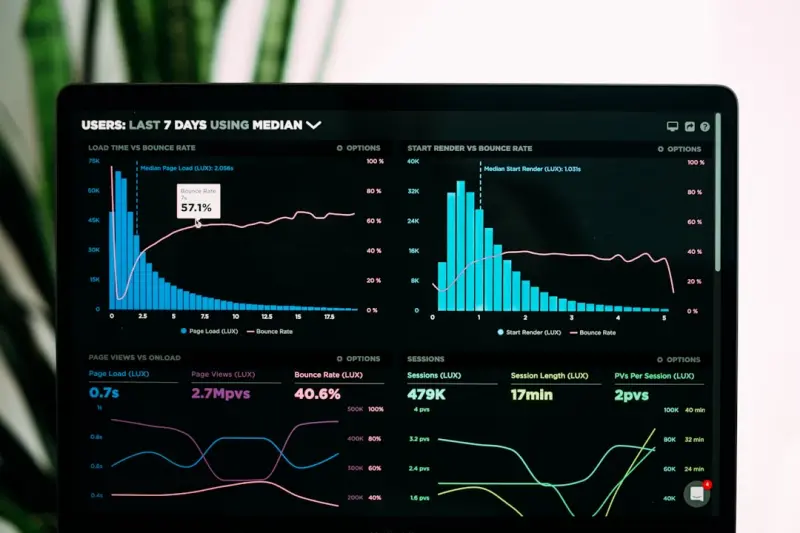
Decoding Server Log Data: A Technical SEO Roadmap
Discover how server logs reveal crawl patterns, uncover hidden errors, and empower you to optimize crawl budget and structured data for better search rankings....Read More

Beyond Clicks: A New Playbook for SaaS Digital Marketing Attribution
A modern SaaS marketer needs more than last‑click data. This post outlines a holistic attribution playbook that unites customer data platforms, micro‑influe...Read More

Why Progressive Web Apps Are the Secret Sauce for Mobile SEO Success
Progressive Web Apps combine the best of web and native app experiences, delivering speed, offline access, and push notifications that improve mobile SEO signal...Read More
0 Comments
Post Comment
You will need to Login or Register to comment on this post!