

Why Community‑Driven Content Is the Missing SEO Puzzle Piece
When I first migrated a niche blog to WordPress, I noticed a steady trickle of traffic that never seemed to convert into lasting authority. The breakthrough arrived when I opened the doors to genuine community interaction—real people asking questions, sharing experiences, and leaving thoughtful comments that enriched each post. Search engines reward fresh, relevant signals, and nothing generates those signals faster than a vibrant audience contributing their own voice, turning static pages into living resources that attract backlinks, dwell time, and repeat visits.
Search Engines See Fresh User Contributions as Trust Signals
Google’s algorithms have evolved to value user‑generated content because it demonstrates real‑world relevance and continuous updates, two factors that pure editorial copy can’t always deliver. Every new comment, review, or forum reply adds a layer of semantic diversity, sprinkling long‑tail keywords and natural language variations throughout the page. This organic keyword expansion helps the page rank for queries you might never have anticipated, while the increased interaction metrics—like time on page and scroll depth—signal to crawlers that the content satisfies user intent. In short, community contributions act as a low‑cost, high‑impact SEO catalyst that scales with your audience.
Setting Up a Comment System That Boosts SEO, Not Spam
Before you unleash a comment section, you need a strategy that filters noise while amplifying value. I recommend integrating a moderated platform that requires a verified email, uses reCAPTCHA, and offers social login options to lower friction for genuine contributors. Once the gate is in place, enable rel="nofollow" only on low‑trust users, but allow trusted commenters to have their links follow, creating a natural backlink profile. Additionally, structure each comment with proper HTML tags—<article> for the comment container and <time> for the timestamp—so crawlers can parse the content hierarchy and index the newest contributions promptly.
Turning Forum Discussions Into SEO Powerhouses
For sites that need deeper engagement, a lightweight forum plugin can transform a simple blog into a knowledge hub where users solve problems together. Each thread acts as a long‑tail landing page, organically targeting specific search intents that your main articles may only brush on. To maximize SEO benefit, organize forums by topic clusters that mirror your site’s pillar content, and use descriptive URLs that include primary keywords. Encourage participants to upvote helpful answers; the resulting hierarchy signals to search engines which responses are most valuable, driving featured snippet opportunities and increasing organic visibility.
Leveraging Guest Contributors and Community Authors
Inviting trusted community members to author full‑length posts expands both content depth and backlink potential without sacrificing brand voice. Provide clear guidelines that emphasize natural keyword usage, internal linking, and the inclusion of at least one multimedia element—be it an image, video, or infographic. When a guest author includes a link back to their own site, you gain a reciprocal endorsement that enhances domain authority on both ends. Moreover, the author’s byline becomes a searchable entity, creating additional entry points for users seeking expertise in that niche.
Embedding Structured Data for Reviews and Q&A
One of the most underutilized SEO tactics on WordPress is applying schema markup to community‑generated reviews and question‑answer pairs. By wrapping user comments and forum answers in rich snippets, you signal to search engines the exact nature of the content, increasing the chance of appearing in SERP features like star ratings or “People also ask” boxes. Implement the Review and FAQPage schemas directly in your theme’s template files, and ensure each entry includes the author’s name, rating, and publication date for full validation.
Smart Internal Linking From Community Pages to Core Content
Every new comment, forum reply, or guest post presents an opportunity to reinforce your site’s architecture through strategic internal links. I map these community touchpoints back to pillar articles using descriptive anchor text that reflects the target keyword, creating a web of relevance that both users and crawlers can navigate effortlessly. For instance, a user asking “How do I optimize my WordPress images?” can be linked to a comprehensive guide you already published, while the guide itself points back to the discussion thread for real‑world examples. This reciprocal linking not only distributes link equity but also reduces bounce rates by guiding visitors to deeper, related content. To streamline the process, I often employ the taxonomy plugin that auto‑suggests relevant internal links based on tag and category relevance.
Tracking the SEO Impact of Community Contributions
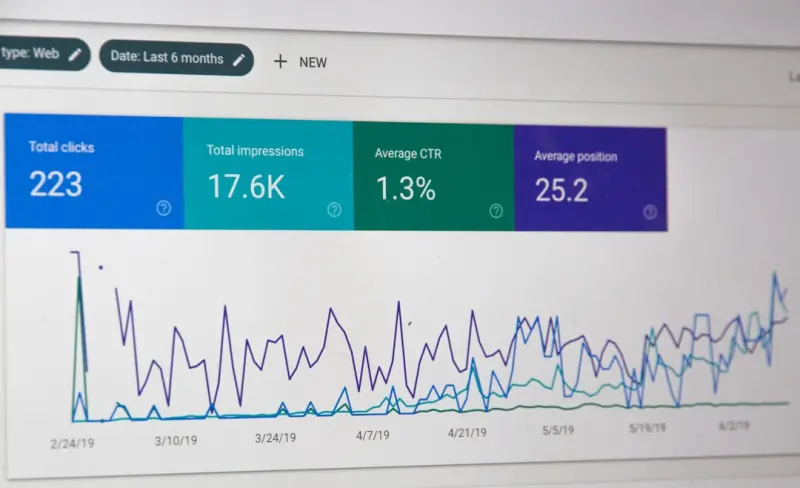
Data‑driven decisions are essential to prove the ROI of community‑centric SEO. Set up custom dimensions in Google Analytics to capture metrics such as “Comment Origin” and “Forum Thread Depth,” then monitor changes in average session duration, pages per session, and organic landing page impressions. Over time, you’ll notice that pages with active user interaction outperform static pages in click‑through rates from the SERPs, thanks to richer snippet eligibility and higher relevance scores. Pair these insights with Search Console’s “Performance” report to identify which community‑driven queries are climbing the rankings, allowing you to double‑down on the most profitable topics.
Actionable Checklist to Turn Community Content Into SEO Gold
- Implement a moderated comment system with social login and spam protection.
- Structure comments with semantic HTML elements for crawlability.
- Launch a niche forum organized around topic clusters that mirror pillar pages.
- Invite vetted community members to contribute guest posts with clear SEO guidelines.
- Apply
ReviewandFAQPageschema to user‑generated content for rich snippets. - Use strategic internal linking from community pages back to core content, leveraging taxonomy tools.
- Set up analytics tracking for community interaction metrics and monitor SERP performance.
- Iterate based on data, amplifying the most engaging community topics.

Allison Jarvis is a dynamic digital media and marketing professional dedicated to driving brand growth through impactful storytelling. With a sharp eye for market trends and a passion for data-driven strategies, she specializes in building cohesive online identities that resonate with modern audiences. Allison blends creative content production with robust analytics to maximize engagement and deliver measurable ROI. She continuously explores emerging digital tools to keep her projects ahead of the curve.
Related Posts
Boost Your WordPress Rankings with Smart Taxonomy Strategies
Learn to transform default categories and tags into powerful SEO assets with custom taxonomies, smar... Read More

Unlocking Global Traffic: A WordPress SEO Blueprint for Multilingual Success
Discover a step‑by‑step WordPress SEO strategy for multilingual sites, covering hreflang, plugin... Read More

Mastering Gutenberg: SEO‑Ready WordPress Blocks for Maximum Visibility
Learn to build SEO‑optimized Gutenberg blocks that combine semantic markup, structured data, and p... Read More
Top Posts

Decoding Server Log Data: A Technical SEO Roadmap
Discover how server logs reveal crawl patterns, uncover hidden errors, and empower you to optimize crawl budget and structured data for better search rankings....Read More

Core Web Vitals on Mobile: SaaS SEO's Secret Sauce
A deep dive into why Core Web Vitals—LCP, FID, and CLS—are the new battleground for SaaS SEO on mobile, with practical tactics, structured data tips, and a ...Read More

Turning Interactive Tools into Link‑Building Gold
Interactive tools like calculators and widgets can become powerful link‑building assets. Learn a step‑by‑step process to create, promote, and measure thes...Read More

Hybrid AI Search: Merging Vector Semantics with Classic Keyword Power
Explore the rise of hybrid AI search, where semantic vectors and traditional keyword indexes unite to deliver more precise, context‑aware results for users....Read More
0 Comments
Post Comment
You will need to Login or Register to comment on this post!