
Understanding the Power of WordPress Taxonomies for SEO
When it comes to climbing the rankings, many WordPress site owners overlook the hidden SEO goldmine nestled in their taxonomy settings, and that oversight can cost valuable organic traffic; taxonomies—categories, tags, and custom taxonomies—act as the scaffolding that tells search engines how content is related, and when structured thoughtfully they amplify relevance signals across the entire site. By treating taxonomies as strategic SEO assets rather than mere organizational tools, you create clear pathways for crawlers, enhance topical authority, and improve user navigation, which together drive lower bounce rates and higher dwell time—two factors that Google rewards. In this post I’ll walk you through actionable steps to redesign your taxonomy architecture so it fuels both search engine visibility and reader engagement.
Why Default Categories and Tags Often Undermine Your Rankings
The out‑of‑the‑box category and tag system in WordPress is convenient, but it frequently leads to keyword cannibalization and thin, duplicate content, especially when site owners allow unrestricted tag creation; every new tag spins up a separate indexable page, and without careful curation those pages compete with each other for the same search terms, diluting the authority each could otherwise accumulate. Instead of letting tags run wild, audit existing tags to merge synonyms, prune low‑traffic ones, and align each tag with a distinct search intent, ensuring every taxonomy page has a clear purpose and enough unique content to satisfy both users and Google. A disciplined tag strategy not only cleans up your site’s internal linking profile but also prevents search engines from wasting crawl budget on redundant pages, a problem highlighted in the recent discussion about Crawl Budget management.
Designing Custom Taxonomies That Match Your Niche Keywords
Custom taxonomies give you the flexibility to map your site’s unique content hierarchy directly to the keyword clusters that matter most in your industry, allowing you to create dedicated archive pages that target long‑tail phrases without the noise of generic tags; for example, a travel blog could introduce a “Destination Type” taxonomy with terms like “Beach Resorts” or “Mountain Retreats,” each optimized around its specific search intent. When you build these taxonomies, start with thorough keyword research and assign each term a focused landing page that includes a concise introduction, curated posts, and relevant schema markup, turning what could be a simple list into a powerful SERP feature. This approach not only boosts relevance for the targeted phrases but also creates natural internal linking opportunities, reinforcing the topical clusters that Google’s algorithms favor.
Leveraging Taxonomies for a Smarter Internal Linking Strategy
One of the most underrated benefits of a well‑structured taxonomy is its ability to automate internal linking, a critical factor in passing link equity and guiding crawlers through your content ecosystem; by linking related posts through shared taxonomy terms, you create a web of contextual connections that signal depth and authority to search engines. Implementing plugins that auto‑generate taxonomy‑based links can save hours of manual effort while ensuring consistency, but it’s essential to set limits to avoid over‑optimization—link only to the most relevant articles within each term. This technique dovetails nicely with the principles of Content Repurposing, as you can surface evergreen pieces across multiple taxonomy pages, extending their lifespan and reach.
Choosing the Right SEO Plugins to Automate Taxonomy Optimization
While manual tweaking of taxonomies is feasible for small sites, larger WordPress installations benefit from dedicated SEO plugins that streamline taxonomy management, generate optimized meta tags, and inject schema markup without code; tools like Yoast SEO, Rank Math, and SEOPress offer features to customize title templates for category and custom taxonomy archives, ensuring each page includes target keywords and compelling meta descriptions. Enable the “noindex” option for low‑value taxonomy pages such as overly broad tags, while keeping high‑value archives indexable and richly described, a balance that protects your crawl budget and enhances overall site health. Remember to regularly audit plugin settings after major updates to maintain alignment with your evolving SEO goals.
Integrating Schema Markup with Taxonomy Archives for Rich Snippets
Schema markup adds a layer of semantic clarity that helps search engines understand the purpose of your taxonomy pages, opening the door to rich results like “Article” or “Collection” snippets that can dramatically improve click‑through rates; by adding Article or ItemList schema to category and custom taxonomy archives, you signal that these pages aggregate related content, which aligns with Google’s preference for structured data. Use plugins or custom code to inject JSON‑LD for each taxonomy term, populating fields such as name, description, and a curated list of top posts, ensuring the markup reflects the actual content users will find. This practice complements the insights from the recent post about the Freshness Filter, as fresh, well‑marked‑up taxonomy pages can surface more quickly in real‑time search features.
Case Study: Transforming a Lifestyle Blog with Custom Taxonomies
To illustrate the impact, consider a lifestyle blog that previously relied solely on generic tags and struggled to rank for niche queries like “sustainable home décor ideas”; after implementing custom taxonomies for “Eco‑Friendly Materials” and “DIY Projects,” the site created dedicated archive pages optimized for those exact phrases, added schema markup, and set up automated internal links between related posts; within three months, organic traffic to those archive pages grew by 68%, and the blog’s overall domain authority saw a measurable lift. This real‑world example demonstrates how a strategic taxonomy overhaul can turn underperforming content into high‑ranking assets, especially when paired with consistent content updates and thorough on‑page SEO. The success also highlighted the importance of monitoring performance metrics to fine‑tune taxonomy terms over time.
Measuring the SEO Impact of Your Taxonomy Overhaul
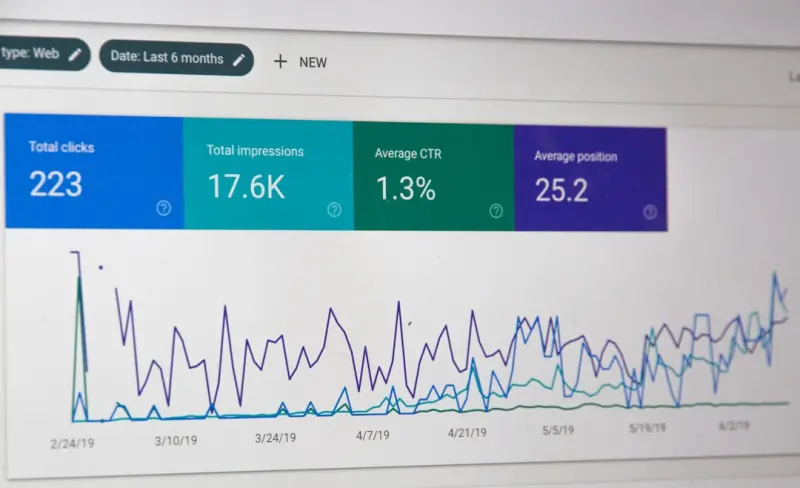
After revamping your taxonomies, it’s crucial to track key performance indicators such as organic impressions, click‑through rates, average position for taxonomy‑specific queries, and crawl frequency for archive pages; tools like Google Search Console and Ahrefs allow you to isolate taxonomy URLs and assess whether they’re gaining visibility and attracting quality backlinks. Set up custom alerts for sudden drops in traffic to taxonomy pages, which could indicate indexing issues or over‑optimization penalties, and regularly audit the internal link structure to ensure link equity flows as intended. By establishing a routine reporting cadence, you can iterate on taxonomy naming conventions, content depth, and schema implementations, continually refining the SEO value of each term.
Putting It All Together: Your Action Plan for Taxonomy‑Driven SEO
Start by conducting a comprehensive audit of existing categories and tags, pruning duplicates and aligning each term with a distinct keyword focus; next, map out custom taxonomies that reflect your site’s core topics, create SEO‑friendly archive templates, and implement schema markup to boost SERP visibility. Leverage automation plugins to maintain internal linking and meta data consistency, while setting strategic “noindex” rules for low‑value pages to preserve crawl budget. Finally, monitor performance with analytics tools, adjust taxonomy structures based on data, and repeat the cycle to keep your WordPress site agile and search‑engine friendly. By treating taxonomies as a central pillar of your SEO strategy, you’ll unlock new pathways for rankings, user engagement, and long‑term authority.

Paula Wright writes from her home in Toronto Ontario, where she lives with her husband, Steve, and their two children. Driven by curiosity and a passion for storytelling, Paula loves to uncover the "why" and "how" behind every topic she covers. Her writing is fueled by her adventures; when she’s not at her desk, you’ll find her out on the road, camping under the stars, or wandering a new trail. Paula brings a sense of discovery and a fresh, real-world perspective to everything she writes for us.
Related Posts
Headless WordPress SEO: Future‑Proofing Your Rankings
Discover a practical roadmap for maintaining and enhancing SEO in a headless WordPress setup, from c... Read More

Unlocking SEO Hidden Gems in WordPress’s Widget Areas
Learn why WordPress widget areas are untapped SEO gold and get a step‑by‑step checklist to make ... Read More

Headless WordPress SEO: Why Decoupling Might Be Your Next Ranking Boost
Going headless separates WordPress’s content engine from the front‑end, delivering faster pages,... Read More
Top Posts

Why Progressive Web Apps Are the Next Frontier for eCommerce SEO
Progressive Web Apps combine native‑app speed with web accessibility. Learn how to make them crawlable, SEO‑friendly, and conversion‑driven for eCommerce ...Read More

Unlocking Gutenberg: Turn WordPress Blocks Into SEO Powerhouses
Learn how to harness Gutenberg’s native features—semantic headings, reusable blocks, dynamic query loops, and native lazy loading—to transform every WordP...Read More

Zero‑Click Search is Here: How SaaS Companies Can Capture the Invisible Clicks
Zero‑click search now dominates the SERP, delivering answers without a click. This post shows SaaS teams how to own that space through snippet‑ready content...Read More

From Success Stories to Authority Links: A Fresh Blueprint for SaaS Link Building
Discover a new link‑building approach that leverages customer success narratives, turning real‑world results into authoritative backlinks that drive traffic...Read More
0 Comments
Post Comment
You will need to Login or Register to comment on this post!