

Why Content Repurposing Is the Secret Weapon of Modern SEO
In today’s fast‑moving digital arena, a single piece of content rarely gets the attention it deserves before the next headline steals the spotlight. By strategically reshaping a high‑performing blog post into a video, an infographic, a podcast episode, or even a series of social snippets, you create multiple entry points for search engines and users alike, dramatically extending the lifecycle of that original investment. This multi‑format approach not only satisfies varied user intent but also generates fresh metadata signals that search bots love, giving you more chances to rank for a broader set of long‑tail queries.
Mapping Intent Across Formats
Before you begin the repurposing process, take a deep dive into the search intent behind the original article—informational, navigational, transactional, or investigative. Once you’ve pinpointed the dominant intent, translate it into the language of each new medium: a concise script for a YouTube explainer, a visually rich carousel for Instagram, or a step‑by‑step checklist for a downloadable PDF. By aligning each format with the same underlying intent, you maintain thematic consistency while catering to the distinct ways users consume content, which in turn reinforces topical authority in the eyes of Google.
Boosting Internal Linking Equity
Every repurposed asset presents an opportunity to weave new internal links back to cornerstone pages, distributing link juice more evenly throughout your site. For example, a podcast episode can include a show notes section that links to related guides, while an infographic hosted on a dedicated landing page can embed contextual links to product pages. This not only improves crawl efficiency but also signals to search engines the hierarchical importance of your content clusters, helping you climb higher in SERPs without relying on external backlinks alone.
Leveraging Structured Data for Each Format
Structured data isn’t limited to traditional articles; it can be applied to videos, podcasts, and even PDFs to unlock rich results. By implementing AI‑driven search insights into your schema markup, you enable Google to understand the nuanced relationships between your repurposed assets and the original topic. This enhanced visibility can lead to featured snippets, video carousels, or podcast cards that attract clicks from users who might never have discovered the original blog post.
Creating a Repurposing Workflow That Scales
A disciplined workflow is essential to keep repurposing efficient and sustainable. Start by cataloguing high‑performing content using a simple spreadsheet: note the URL, primary keyword, engagement metrics, and potential new formats. Assign each piece to a team member with clear deadlines and a checklist that includes SEO tasks such as keyword optimization, meta tag creation, and schema implementation. By treating repurposing as a repeatable process rather than a one‑off task, you ensure a steady stream of fresh, SEO‑friendly assets without overtaxing your resources.
Measuring Success Across Channels
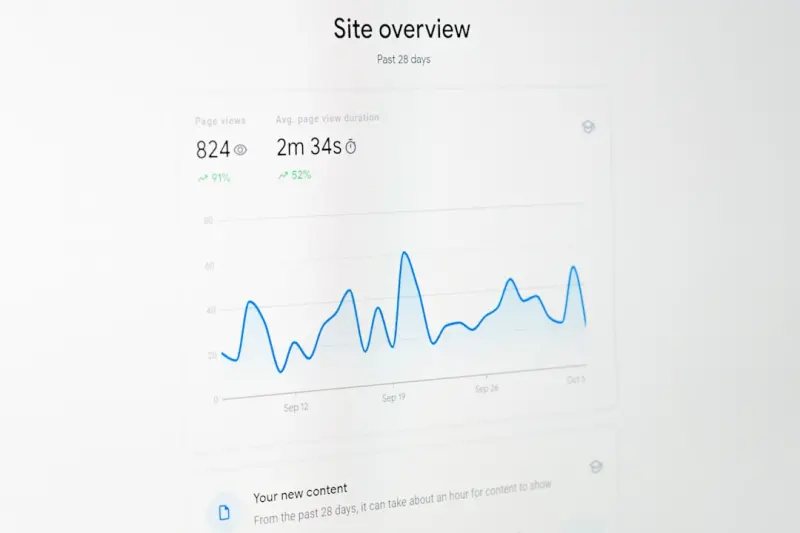
Traditional SEO metrics like organic traffic and keyword rankings only tell part of the story when you’re distributing content across multiple platforms. Incorporate platform‑specific KPIs—view duration for videos, download rates for PDFs, and listener retention for podcasts—to gauge the true impact of each repurposed piece. By overlaying these metrics onto a unified dashboard, you can identify which formats drive the most qualified traffic back to your site and double down on the channels that deliver the highest ROI.
Case Study: Turning a Technical Guide Into an Authority Hub
Consider a technical guide on “optimizing server response times” that originally attracted modest traffic but ranked well for a niche keyword. By converting the guide into a series of short tutorial videos, an interactive webinar, and a downloadable cheat sheet, the author saw a 45% increase in organic sessions within two months. Each new asset referenced the original guide via internal links, and the added schema markup earned rich results on both video and PDF searches, amplifying the site's overall authority on the subject.
Future‑Proofing Your Content Strategy
Search engines are evolving to reward content ecosystems that demonstrate depth, relevance, and adaptability. By embracing a repurposing mindset, you not only safeguard your existing assets against algorithmic shifts but also position your brand as a versatile knowledge hub that meets users wherever they are. The key is to stay disciplined, data‑driven, and always aligned with user intent, ensuring that every piece of repurposed content contributes to a stronger, more resilient SEO foundation.
Getting Started Today
Pick one of your top‑performing posts, map its core intent, and outline three new formats you can produce in the next week. Use the internal linking techniques discussed above, add the appropriate structured data, and set up a simple tracking sheet to monitor performance. Within a short cycle, you’ll see how a single piece of content can multiply its reach, authority, and ranking potential—proving that repurposing isn’t just a nice‑to‑have tactic, but a cornerstone of modern SEO success.

Craig Brett is a freelancer with a passion for the outdoors. His love for nature inspires his work, bringing authentic and engaging perspectives to projects related to outdoor activities, adventure, and environmental topics.
Related Posts

Intent‑First SEO Tips: How to Align Content, Rank Higher, and Drive Real Conversions
Learn how to master intent‑first SEO with actionable strategies that align content to user goals, ... Read More
Intent‑First SEO: How to Turn Visitor Behavior Into Ranking Power
Learn how to map user intent, build purpose‑driven content assets, and structure internal linking ... Read More

Why Intent‑First SEO Is the Missing Piece in Your Strategy
Learn why intent‑first SEO is essential, how to map content, fix technical foundations, and measur... Read More
Top Posts

Rose DesRochers Unpacks the Hottest SEO News of 2024
Rose DesRochers breaks down 2024’s SEO landscape, from algorithm changes to AI-driven context, offering actionable tips to boost rankings and future‑proof y...Read More

The Untapped Power of Co‑Authored Research in Modern Link Building
Co‑authored research turns data into a link magnet, offering mutual value for partners while delivering high‑quality backlinks, organic traffic, and qualifi...Read More

Hybrid SEM: Merging Real‑Time Social Listening with Paid Search for Maximum Impact
A hybrid SEM approach merges real‑time social insights with paid search, creating adaptive ads and predictive bidding that capture users across platforms and ...Read More

The Intent‑First SEO Blueprint: Turning User Purpose Into Rankings
Learn the actionable steps to adopt Intent‑First SEO, from purpose mapping to continuous content audits, and turn user intent into higher rankings and sustain...Read More
0 Comments
Post Comment
You will need to Login or Register to comment on this post!