

What Is Google Passage Indexing and Why It Matters Now
In late 2020 Google unveiled passage indexing, a system that can surface a specific segment of a longer page as the answer to a query, even if that segment would traditionally be buried beneath a sea of content. This breakthrough means that the traditional rule of “one page, one keyword” is evolving into a more nuanced game where each paragraph, bullet point, or even a single sentence can become a ranking contender. For seasoned SEOs, understanding this shift is crucial because it unlocks hidden ranking opportunities that were previously invisible to both users and analytics tools.
How Passage Indexing Changes the SEO Landscape
Because Google now evaluates the relevance of individual passages, the emphasis moves from broad topic authority to micro‑authority, rewarding content that answers a specific question with crystal‑clear precision. This change also reduces the necessity of creating dozens of thin pages, allowing you to consolidate expertise into comprehensive guides while still capturing long‑tail traffic. The net effect is a more efficient content strategy that maximizes search visibility without inflating your site’s page count.
Spotting Passage‑Friendly Opportunities Within Existing Content
Begin by auditing high‑performing pages with tools that highlight query‑specific click‑throughs, then dissect those pages into logical, self‑contained sections that each address a distinct sub‑question. Look for headings, subheadings, and list items that naturally break the narrative into bite‑size answers, and consider whether each could stand alone in the SERPs. By mapping user intent to these micro‑segments, you can prioritize which passages to enhance for maximum impact.
Crafting Content That Speaks Directly to a Passage Query
When writing for passage indexing, aim for concise, answer‑first sentences followed by a brief expansion that stays on topic, mirroring the structure of featured snippets. Use clear, descriptive subheadings that act as semantic markers, and embed the target keyword or phrase within the first 40 words of the passage to signal relevance to Google’s algorithm. For deeper technical guidance, consult AI-Powered Search Tactics to align your language with the patterns Google’s AI models favor.
Technical Foundations: HTML Markup and Structured Data
While Google’s passage engine works largely behind the scenes, proper HTML hierarchy—using <h2>, <h3>, and <p> tags—helps the crawler isolate and evaluate each segment accurately. Implementing schema markup such as FAQPage or HowTo can further reinforce the passage’s intent, giving you a clearer signal about the answer you’re providing. Avoid cluttered divs or hidden text, as they can confuse the parser and dilute the passage’s relevance.
Boosting Passage Authority with Strategic Internal Linking
Internal links act as pathways that guide both users and crawlers to your most valuable passages; link to specific sections using anchor text that mirrors the query phrase, rather than generic “read more.” By creating a web of contextual connections, you amplify the passage’s perceived importance and encourage Google to treat it as a standalone asset. This approach dovetails nicely with insights from New SEO Signals, where relevance and contextual depth are emerging as key ranking factors.
Measuring the Impact of Passage Optimization
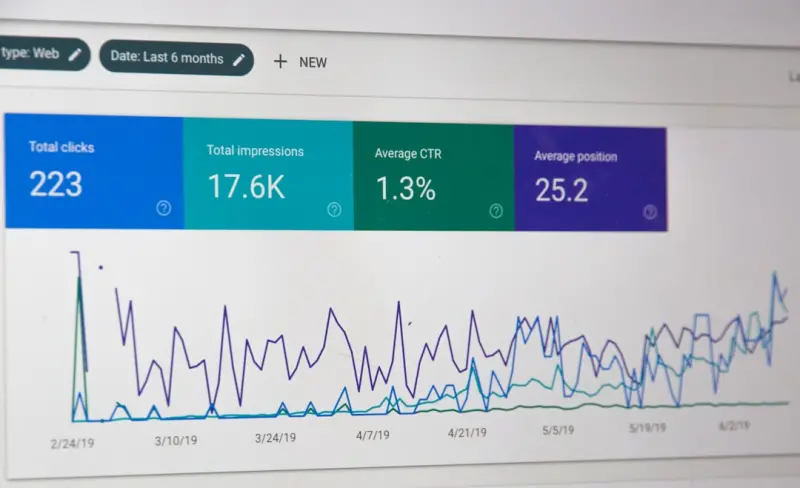
Track performance by monitoring impression and click‑through metrics for long‑tail queries that align with your targeted passages, using Google Search Console’s “Performance” report filtered by page and query. Look for spikes in rankings of specific sub‑queries, even if the overall page position remains static, as this indicates successful passage indexing. Complement this data with heat‑map tools to see how users interact with the highlighted sections, confirming that the passage not only ranks but also engages.
Common Pitfalls to Avoid When Targeting Passages
One frequent mistake is over‑optimizing by stuffing keywords into every paragraph, which can trigger spam signals and erode user trust; instead, focus on natural language that directly answers the question. Another trap is neglecting the surrounding context—Google still assesses the broader page relevance, so a passage isolated from supportive content may struggle to rank. Finally, avoid duplicating content across passages; each segment should offer unique value, reinforcing the page’s overall authority without cannibalizing itself.
Future Outlook: How Passage Indexing May Evolve
As Google continues to refine its AI models, passage indexing is likely to become even more granular, potentially surfacing answers from within PDFs, slide decks, or multimedia transcripts. This trajectory suggests that content creators will need to think beyond text, incorporating searchable captions, transcripts, and structured metadata to capture emerging opportunities. Preparing now by building passage‑centric content not only positions you for today’s SERP dynamics but also future‑proofs your site against the next wave of algorithmic innovation.
Action Plan: Implementing Passage Indexing Today
Start with a pilot project: select a high‑traffic pillar page, break it into logical passages, and rewrite each to answer a specific query in 40–70 words while preserving depth. Add clear subheadings, implement appropriate schema, and weave in internal links that point directly to those passages. Within a month, review Search Console data to gauge lift in long‑tail impressions, then scale the process across your content library, continuously iterating based on performance insights.

Robert Mathews is a professional content marketer and freelancer for many SEO agencies. In his spare time he likes to play video games, get outdoors and enjoy time with his family and friends.
Related Posts

The Intent‑First Blueprint: Turning User Purpose Into Google SEO Success
Learn why shifting to an intent‑first approach is the secret to sustainable Google SEO success, wi... Read More
Unlocking Google SERP Real Estate: How SaaS Brands Can Turn Snippets, PAA, and Knowledge Panels into Lead Magnets
This guide shows SaaS marketers a three‑phase framework—Scout, Shape, Scale—to identify, optim... Read More

Google Discover: A Fresh Lead‑Gen Engine for SaaS
Discover isn’t just a side‑project for Google—it’s a powerful, personalized feed that can su... Read More
Top Posts

Unlock the Secret to Intent‑First SEO: Proven Tips for Real Rankings
Learn how to master intent‑first SEO with practical tips, content architecture advice, and internal linking tactics that drive higher rankings and real conver...Read More

Why Customer Success Stories Are the Untapped SEO Engine for SaaS
Customer success stories, when structured for search, become powerful SEO assets. Learn a step‑by‑step framework to transform case studies into high‑ranki...Read More

Why Your SaaS API Docs Should Be Your Next SEO Superpower
Treat your SaaS API documentation like a network of high‑intent landing pages. Learn practical SEO tactics—from crawlability to schema markup—to turn tech...Read More

The Power of Semantic Topic Clusters in SaaS SEO
Discover why organizing your SaaS content into semantic topic clusters is the missing link for sustainable SEO growth, higher rankings, and stronger conversion ...Read More
0 Comments
Post Comment
You will need to Login or Register to comment on this post!