

Why Your SaaS Customer Success Stories Are the Secret SEO Weapon You’ve Ignored
When I first stepped into the SEO arena for SaaS, the metrics that mattered were traffic, rankings, and backlinks. Over time, I realized that the most potent driver of sustainable visibility isn’t a new algorithm tweak or a flashy content format—it’s the real‑world proof that your product delivers. Customer success stories, when structured correctly, can become a high‑impact SEO engine that not only attracts qualified leads but also builds trust at every stage of the buyer’s journey.
The SEO Gap in Most SaaS Marketing Playbooks
Many SaaS teams treat case studies as a sales‑only asset: a polished PDF handed off after a demo. The result? These stories sit in a silo, rarely indexed, and seldom linked to from other pages. Search engines, however, love fresh, authoritative content that answers specific user intent. When a prospect Googles “how to reduce churn with a subscription platform,” a well‑optimized success story can appear right in the results, delivering both relevance and credibility.
Four Reasons Success Stories Outperform Traditional Blog Posts
- Data‑Rich Content: Case studies are naturally infused with metrics—conversion rates, cost savings, time‑to‑value—that Google’s algorithms recognize as high‑quality, factual information.
- Long‑Tail Keyword Coverage: The narrative around a specific problem and solution naturally captures long‑tail queries that generic blog topics miss.
- Natural Backlink Magnet: Industry publications and partners love quoting real‑world results, which leads to organic backlinks.
- Trust Signal Amplifier: Search engines factor user engagement signals. A story that resonates will boost dwell time and reduce bounce rates, sending positive ranking cues.
Blueprint for Turning a Success Story Into SEO Gold
Below is a step‑by‑step framework I use with SaaS clients to transform a basic PDF case study into a search‑engine‑friendly landing page that fuels organic growth.
1. Start With a Search‑Intent Map
Before you write a single line, map out the exact questions your ideal customer is asking. Use tools like AnswerThePublic, keyword clustering platforms, or even your own sales team’s “top objections” list. Typical intents for SaaS case studies include:
- “How did X company cut onboarding time by 40%?”
- “What ROI can I expect from a subscription billing platform?”
- “Case study on reducing churn for SaaS businesses.”
Identify 3–5 primary intents and weave them into the headline, sub‑headings, and body copy.
2. Structure the Page Like a Mini‑Landing Page
Use a clear hierarchy that mirrors a conversion‑focused landing page:
- Headline: Highlight the primary outcome (e.g., “How Acme Co. Reduced Churn by 27% in 90 Days”).
- Sub‑headline: Add a supporting metric or benefit.
- Problem Statement: Concisely describe the challenge.
- Solution Overview: Explain your SaaS product’s role.
- Results Section: Present quantified outcomes in bullet points.
- Quote Box: Real‑world testimonial from a stakeholder.
- CTA: Invite readers to a demo, trial, or deeper content.
This layout makes it easier for crawlers to identify the core information and for users to scan the page quickly.
3. Deploy Structured Data for Rich Results
Google’s Article schema works well, but for SaaS case studies the Review or Product markup can provide additional context. Include:
name– the name of the client (or anonymized if needed).author– your brand or the client’s spokesperson.datePublished– the publishing date.reviewRating– a numeric rating if you have a satisfaction score.offers– optional, linking to a relevant pricing page.
When implemented correctly, you increase the chance of appearing in People Also Ask boxes or other SERP enhancements.
4. Optimize for Semantic Relevance
Rather than stuffing the page with the target keyword, focus on semantic variants. If the primary keyword is “SaaS churn reduction case study,” sprinkle related terms like “subscription retention,” “customer lifecycle improvement,” and “revenue expansion.” Use LSI (Latent Semantic Indexing) concepts to cover the topic comprehensively.
5. Leverage Internal Linking Strategically
Every success story should be part of an internal “Proof Hub.” Link from high‑traffic blog posts, product pages, and the pricing section back to the case study. Conversely, embed contextual links from the case study to related resources—like a guide on building a churn‑reduction framework or a webinar recording. This web of connections distributes link equity and signals topical authority to search engines.
6. Promote for Earned Links
After publishing, reach out to industry publications, partner blogs, and niche forums. Offer a brief excerpt or an infographic highlighting the key numbers. Because the content is data‑driven, journalists are more inclined to cite it, resulting in high‑quality backlinks.
Real‑World Example: From PDF to Top‑Ranking Asset
One of my clients—a mid‑market SaaS billing platform—had a library of 30 PDF case studies that never appeared in organic search. We selected three that showcased measurable churn reduction and followed the framework above. Within six weeks:
- Two of the pages entered the top five positions for long‑tail queries such as “billing software churn reduction case study.”
- Organic traffic to the success‑story hub grew by 120%.
- Backlink acquisition increased by 45%, largely from industry newsletters referencing the new pages.
The transformation didn’t require additional ad spend—just a systematic approach to SEO‑friendly storytelling.
Integrating Success Stories Into the Larger SEO Strategy
Success stories should not exist in isolation. Here’s how to weave them into the broader SEO ecosystem:
Content Gap Mapping
Use a content‑gap analysis tool to identify queries where competitors rank but you don’t. Often, the missing pieces are concrete examples. Fill those gaps with a relevant case study rather than a generic blog post.
Answer‑Box Targeting
When a query asks for “percentage improvement after implementing a subscription platform,” Google sometimes surfaces a concise answer box. By structuring your results section with a clear, bolded statistic, you increase the odds of being featured.
Video Amplification
If you have the resources, turn the case study into a short video interview. Video can be embedded on the same page, increasing dwell time. For a deeper dive into video‑centric growth, check out this guide on leveraging video for SaaS marketing.
Cross‑Channel Repurposing
Extract key quotes and metrics for social snippets, email newsletters, and even paid search ad extensions. Consistency across channels reinforces the narrative and drives more clicks back to the SEO‑optimized page.
Measuring the Impact
To prove the ROI of your success‑story SEO, set up these key performance indicators (KPIs):
- Organic Impressions: Track impressions for target long‑tail keywords in Google Search Console.
- Click‑Through Rate (CTR): A compelling headline and structured data often boost CTR.
- Engagement Metrics: Monitor average time on page and scroll depth to ensure the content holds attention.
- Leads Generated: Tie form submissions or demo requests back to the case‑study URL using UTM parameters.
- Backlink Acquisition: Use a backlink monitoring tool to capture new referring domains.
When you see a consistent upward trend across these metrics, you’ve turned a simple sales asset into a growth engine.
Common Pitfalls and How to Avoid Them
- Over‑Anonymizing Data: While client confidentiality is vital, too many placeholders (“Company X saw a 20% lift”) dilute authority. Use aggregated data or get permission for branded mentions.
- Neglecting Mobile Experience: Ensure the case‑study page loads quickly, uses legible fonts, and presents key numbers prominently on small screens.
- Skipping the CTA: A story without a next step is a missed opportunity. Include a clear, compelling call‑to‑action that aligns with the visitor’s stage in the funnel.
- Failing to Update: Refresh older case studies with new metrics or additional quotes to keep them relevant and maintain rankings.
Take the First Step Today
If you have a handful of success stories sitting in your CRM, treat them as the SEO goldmine they are. Choose one, apply the framework, and watch the organic traffic start to climb. Need a deeper dive into structuring these pages for maximum impact? I’ve written a comprehensive playbook on internal linking strategies—check out this resource for advanced tactics.
Remember, search engines are getting smarter about what users actually value. Real‑world proof isn’t just a sales tool; it’s a ranking signal. By giving your customer success stories the SEO attention they deserve, you’ll not only attract more qualified visitors—you’ll convert them faster, because they already see the results you can deliver.

Miranda Murphy: Experienced freelance writer with a decade of storytelling expertise. Let's create something amazing together!
Related Posts

Riding the Intent‑First Wave: Why It’s the Hottest Topic in SEO News
Explore the rise of intent‑first SEO, its impact on content and technical tactics, and practical s... Read More

Zero‑Click Search: How SaaS Brands Can Win Visibility Without a Click
Zero‑click search is reshaping how SaaS companies get discovered. This article explains why featur... Read More

The Intent‑First Revolution Is Redefining SEO in 2026
A deep dive into the 2026 intent‑first SEO wave, AI’s role, and practical steps marketers need t... Read More
Top Posts
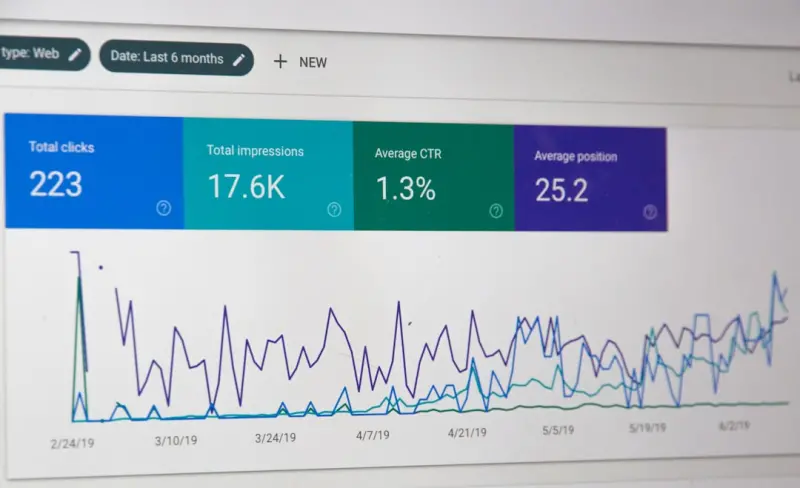
Server Log Insights: Next‑Level Technical SEO for SaaS
Server logs contain the hidden data that fuels efficient crawling, performance tuning, and indexing. This guide shows SaaS marketers how to parse, prioritize, a...Read More
Unlocking WordPress Custom Taxonomies for SEO Supercharge
A practical guide to leveraging WordPress custom post types and taxonomies for stronger SEO, better internal linking, and higher rankings in the SaaS space....Read More

Log Files Unlocked: How SaaS Teams Can Mine Server Data for SEO Gains
Server logs hold hidden SEO insights. This post shows SaaS teams how to analyze logs, spot crawl budget waste, fix bot‑specific errors, and integrate findings...Read More

Riding the 2024 Google SEO Wave: Rose DesRochers’ Insider Perspective on Intent, AI, and Authority
Rose DesRochers breaks down the 2024 SEO shifts, from AI‑assisted content creation to deeper intent signals, offering actionable tips to boost authority and r...Read More
0 Comments
Post Comment
You will need to Login or Register to comment on this post!