

Why the Next Wave of SERP Features Is a Gold Mine for B2B SaaS Marketers
When I first started writing about search, the biggest excitement was getting a single organic listing on the first page. Fast‑forward a few years, and we’re now staring at an SERP that looks more like a curated dashboard than a list of links. Featured snippets, “People also ask,” AI‑generated answer boxes, and real‑time event carousels have turned the search results page into a multi‑dimensional stage. For B2B SaaS companies, this evolution is not just a curiosity—it’s a strategic imperative.
From Listicles to Answer Ecosystems
Traditional SEO taught us to optimize for rankings, then celebrate the traffic spike. Today, the type of traffic matters even more. A user who lands on a featured snippet may never click through, yet the brand still scores a visibility win. Conversely, a real‑time answer box that surfaces a competitor’s pricing data can siphon leads before you even have a chance to intervene.
Understanding which SERP feature aligns with each stage of the B2B buying journey is the first step. Below is a quick map of common features and the buyer intent they satisfy:
- Featured Snippets – Ideal for top‑of‑funnel awareness and quick “how‑to” queries.
- People Also Ask (PAA) – Captures mid‑funnel curiosity, letting you address follow‑up questions.
- Answer Boxes (AI‑generated) – Dominates bottom‑of‑funnel decision points where prospects compare solutions.
- Event Carousels – Perfect for promoting webinars, product launches, or industry conferences in real time.
- Knowledge Panels – Establishes brand authority and centralizes corporate facts.
How to Position Your SaaS Brand Inside These New Real Estate Slots
Getting a piece of this real estate requires a blend of technical rigor, content strategy, and a dash of data‑driven experimentation.
1. Build Structured Answers, Not Just Keywords
Google’s AI models pull data from schema‑rich pages, FAQs, and even PDFs. If you want your SaaS solution to appear in an AI‑generated answer box, you need to feed the search engine clear, concise data points. Think of each product feature as a mini‑FAQ that can be wrapped in FAQPage or HowTo schema. The goal is to make it trivial for the engine to extract a fact and surface it as a direct answer.
2. Own the “People Also Ask” Loop
Every PAA widget is a mini‑conversation. Use tools that scrape PAA questions related to your niche, then create dedicated “question‑answer” pages that dive deep into each query. Remember, the answer snippet displayed in PAA is often pulled from the first paragraph of the page, so lead with the answer before any fluff.
3. Leverage Real‑Time Event Signals
If your SaaS platform hosts regular webinars, product demos, or participates in industry panels, make sure those events are indexed as Event structured data. Google’s event carousel will pull from this markup and display your sessions directly in the SERP, driving sign‑ups without a single paid click.
4. Optimize for AI‑Generated Summaries
The new answer boxes pull from multiple sources, summarizing information in a conversational tone. To influence this, you need to establish authority signals across your domain—consistent author bios, clear citations, and high‑quality backlinks. Think of every piece of content as a potential source the AI might cite.
5. Keep an Eye on Competitive SERP Takeovers
Because many of these features are algorithmically generated, a competitor can swoop in with a better‑structured answer overnight. Set up alerts for your brand name plus “snippet”, “PAA”, and “answer box”. When you spot a takeover, respond quickly by improving your own markup or creating a more authoritative page.
Data‑Backed Playbooks: Turning SERP Experiments Into Predictable Wins
Just as you would A/B test a landing page, you can test SERP feature optimizations. The trick is to set up a measurement framework that captures not only clicks but also impressions and position‑level engagement. Here’s a simple three‑step approach:
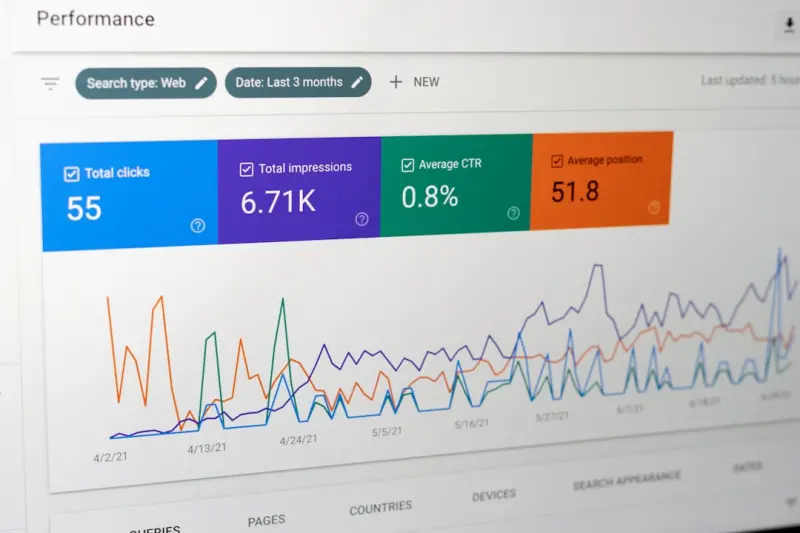
- Baseline Capture – Use Google Search Console’s
Search Appearancereports to log current impressions and click‑through rates (CTR) for each feature type. - Iterative Rollout – Introduce schema markup on a single product page, then monitor changes in impressions and CTR over a 2‑week window.
- Attribution Modeling – Correlate any uplift with downstream metrics (MQLs, demo requests) to prove ROI.
When you combine this systematic testing with a crawl budget audit, you’ll ensure that search engine bots actually see and index your enhanced markup before they move on to the next site on their list.
Technical Foundations: The Unsung Heroes Behind SERP Success
Most marketers focus on the content layer, but the technical underpinnings are just as critical. A few often‑overlooked items can sabotage your SERP ambitions:
- Server Response Times – AI answer boxes prioritize fast, reliable sources. A slow server can cause the engine to skip your page in favor of a quicker competitor.
- Cache Invalidation – When you update a FAQ, make sure your CDN purges the old version. Stale data can lead to inaccurate snippets and damage credibility.
- Canonical Consistency – Duplicate FAQ pages can confuse the engine about which URL to pull for a snippet. Consolidate with proper
rel=canonicaltags.
For SaaS companies with heavy API documentation and developer portals, an edge‑driven SEO strategy can dramatically improve both load speed and snippet eligibility.
Future‑Proofing: What’s Next After AI Answer Boxes?
The SERP is a moving target. Here’s a short list of emerging features that you should start prepping for today:
- Dynamic Knowledge Graphs – Interactive visualizations that combine multiple data points (pricing, feature comparisons, user ratings) in a single widget.
- Voice‑First Result Cards – With the rise of enterprise voice assistants, search results are being delivered through audio streams, requiring concise, spoken‑friendly content.
- Personalized Answer Feeds – Search engines will increasingly tailor answer boxes based on the user’s firmographic data, making first‑party data integration critical.
Start by mapping your existing content to these future formats. For example, transform a dense whitepaper into a series of Article schema entries that can be harvested for dynamic graphs later.
Takeaways for the B2B SaaS SEO Playbook
1. Audit your structured data—every feature you want to win starts with proper markup.
2. Measure beyond clicks—track impressions, position, and downstream conversions.
3. Iterate quickly—treat SERP optimizations as experiments with rapid feedback loops.
4. Guard the technical foundation—fast servers, clean caches, and solid canonical strategy keep your content visible.
5. Plan for tomorrow’s SERP—future formats like dynamic graphs and voice cards are already on the horizon; early adoption gives you a competitive edge.
In the end, the SERP is no longer just a gateway; it’s a real estate market where every square foot of visibility can translate into qualified leads for your SaaS business. Master the new feature landscape, and you’ll not only survive the algorithmic shifts—you’ll turn them into a sustainable growth engine.

Jim Pearse, a seasoned freelance writer, brings a wealth of knowledge and passion to the world of home and garden. From the intricacies of landscaping to the nuances of interior design, Jim delves into every aspect of creating comfortable, beautiful, and functional living spaces.
Related Posts

Riding the Intent‑First Wave: Why It’s the Hottest Topic in SEO News
Explore the rise of intent‑first SEO, its impact on content and technical tactics, and practical s... Read More
Visual Search Is Redefining Rankings: What SEOs Must Do
Explore the rise of visual search and learn practical strategies to optimize images, leverage AR, an... Read More

Why the Intent‑First Wave Is Dominating SEO News
The Intent‑First wave is reshaping SEO. Discover why search engines love intent, what it means for... Read More
Top Posts

Voice‑First SEO: Crafting Conversational Content That Ranks
Discover practical steps to make your site voice‑ready— from mapping intent and crafting snippet‑friendly copy to measuring success and future‑proofing ...Read More

Reimagining WordPress SEO: From Plug‑Ins to Platform‑First Strategies
A modern WordPress SEO guide that treats the CMS as a search‑engine‑first platform, covering core settings, Gutenberg semantics, schema integration, API aut...Read More

Intent‑First SEO Secrets: Boost Your Rankings in 2026
In 2026, mastering Intent‑First SEO is the fastest route to authority. Rose shares practical steps to align content with user purpose, leverage AI tools, and ...Read More

Mastering SEM: From Smart Bidding to Full‑Funnel Impact
Paid search isn’t dead; it’s evolving. Dive into smart bidding, first‑party audience targeting, and AI‑powered creative to turn clicks into measurable r...Read More
0 Comments
Post Comment
You will need to Login or Register to comment on this post!