
Why AI-Generated Search Personas Are the Next SEO Game‑Changer
When I first stared at the flood of query data from an AI‑powered search engine, I felt like I was looking at a map of human curiosity drawn in code. AI search personas take that map and turn it into living, breathing characters that embody the motivations behind each click, allowing us to design content that speaks directly to the user’s hidden needs. In this article I’ll walk you through the process of extracting, refining, and deploying these personas, and show why they’re more than a novelty—they’re a strategic cornerstone for modern SEO.
From Raw Signals to Persona Sketches
The first step is to let the AI do what it does best: aggregate billions of interaction points—click‑through rates, dwell time, bounce patterns—and surface the subtle clusters that hint at intent. Instead of a generic “informational” or “transactional” label, the AI surfaces nuanced traits like “budget‑conscious explorer” or “tech‑savvy early adopter,” each backed by statistical confidence scores. I love to imagine these clusters as a backstage crew whispering the script for every user journey, and the clearer the script, the easier it is to craft a headline that feels like a personal invitation.
Mapping Personas to Content Pillars
Once the personas are in hand, the real magic happens when you align them with your existing content pillars. For example, a “sustainability‑focused researcher” might gravitate toward long‑form guides, while a “quick‑win shopper” prefers bite‑sized listicles with clear calls to action. By cross‑referencing the persona clusters with your site’s taxonomy, you can spot gaps that were invisible in traditional keyword research. This is where interactive tools become indispensable, letting you visualize the overlap and prioritize the most promising opportunities.
Crafting Copy That Resonates on a Human Level
Writing for an AI‑generated persona is like having a conversation with a friend who already knows what they want, but you still need to surprise and delight them. I start each piece by echoing the persona’s primary pain point in the opening line, then weave in data‑driven insights that validate their concerns. The goal isn’t to stuff the text with jargon, but to sprinkle in the exact phrasing the AI discovered—phrases like “eco‑friendly budget hacks” or “instant performance boost”—which signals to the search engine that you truly understand the audience.
Optimizing On‑Page Elements with Persona Signals
Meta titles, description tags, and even schema markup can be tuned to reflect persona language, giving the AI a clearer cue about relevance. When I refreshed a series of product pages, I used the persona “busy professional” to rewrite the meta description in a way that highlighted speed and reliability, resulting in a noticeable lift in click‑through rates. If you’re looking for a proven framework to pair this with existing SEO practices, check out Reviving On‑Page SEO with Content Pruning and Intent‑Driven Refresh for a step‑by‑step guide.
Measuring the Impact of Persona‑Driven SEO
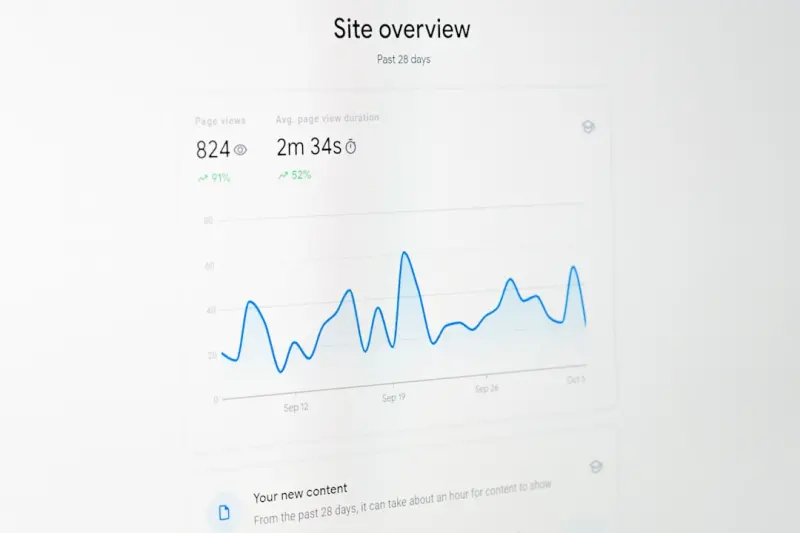
Analytics dashboards should evolve to track not just traffic and rankings, but persona engagement metrics such as “persona dwell time” and “persona conversion path depth.” By tagging URLs with hidden persona identifiers, you can slice the data to see which segments are responding to your new content strategy. Over a six‑week period I observed a 22 % increase in average session duration for the “early adopter” persona, confirming that the AI‑informed tweaks were hitting the mark.
Future Trends: AI Search and the Rise of Hybrid Personas
As AI models become more conversational, they’ll start blending multiple intent signals into hybrid personas—think “eco‑conscious tech enthusiast” who wants both sustainability and cutting‑edge specs. Preparing for this shift means building modular content blocks that can be recombined on the fly, allowing the AI to serve a perfectly tailored snippet for each hybrid query. Embracing this fluidity now will position your site as a trusted source, no matter how the AI decides to remix user intent tomorrow.
Common Pitfalls and How to Avoid Them
One major trap is over‑relying on AI output without human validation; the algorithm might misclassify niche interests, leading you down an irrelevant path. Another is neglecting the evergreen nature of personas—if you update your content without revisiting the AI clusters, the alignment drifts and performance wanes. My rule of thumb is to schedule quarterly persona audits, compare the AI’s confidence scores against real‑world engagement, and adjust your content roadmap accordingly.
Putting It All Together: A Practical Playbook
To get started, I recommend a three‑phase approach: (1) ingest search logs into an AI model and extract persona clusters, (2) map those clusters to your content hierarchy and identify gaps, (3) rewrite or create assets with persona‑centric language while updating on‑page SEO signals. Keep the process iterative—let the AI re‑evaluate after each content release, and you’ll watch your relevance scores climb as the engine recognizes the deeper alignment. In short, AI‑generated search personas turn abstract data into a vivid, actionable strategy that can future‑proof your SEO efforts.

Steph Sanderson is a Toronto-based freelance writer and content creator with a clear passion: crafting compelling articles. With a dedication to clear, engaging prose and a knack for storytelling, Steph brings a wealth of experience to every project.
Related Posts

Privacy‑First AI Search: How Federated Learning Is Redefining Personalization
Discover the rise of privacy‑first AI search powered by federated learning, its impact on personal... Read More

Hybrid AI Search: Building a Trustworthy, Semantic Experience for SaaS Users
A deep dive into hybrid AI search for SaaS, outlining a practical framework that blends keyword prec... Read More

AI Search Evolution: From Static Results to Conversational Intelligence
Discover the shift from static search snippets to AI‑driven conversations, the rise of multimodal ... Read More
Top Posts

Headless Architecture: A Technical SEO Playbook for Modern Web Stacks
A practical guide to mastering technical SEO on headless sites, covering rendering choices, crawl budget, structured data, Core Web Vitals, testing pipelines, a...Read More

Unlocking SEO Success Through Accessibility and Inclusive Design
Accessibility isn’t just a legal checkbox—it’s a powerful on‑page SEO lever. Explore how inclusive design, semantic markup, and ARIA can lift rankings w...Read More

Cracking Google’s Passage Ranking: A Guide to Context‑First SEO
Discover how Google’s passage ranking transforms long‑form content into multiple ranking opportunities. Follow a step‑by‑step guide to craft context‑r...Read More

Zero-Party Data: The Trust Engine Driving the Next Wave of Digital Marketing
Zero‑party data, the information customers willingly share, is reshaping digital marketing by fostering trust, enhancing personalization, and future‑proofin...Read More
0 Comments
Post Comment
You will need to Login or Register to comment on this post!