

Why Intent‑First Beats Keyword‑Stuffing Every Time
When I first shifted my mindset from chasing exact match keywords to understanding real user purpose, the traffic surge felt like a revelation. Search engines now reward relevance over repetition, so aligning content with the question a visitor asks unlocks higher rankings without the spammy feel of old tactics. Embracing this approach forces you to think like a reader, which naturally improves engagement metrics and keeps bounce rates low.
Mapping User Journeys Before You Write a Single Word
My process starts with a simple map: identify the problem, the solution, and the next step the user is likely to take. This blueprint mirrors the Intent‑First Blueprint that top marketers swear by, turning vague searches into precise content opportunities. By visualizing the journey, you can craft headlines, subheads, and calls‑to‑action that speak directly to each stage, making Google see your page as the ultimate answer.
Leveraging Structured Data to Signal Intent Clearly
Structured data is the silent handshake between your page and Google’s algorithms, telling the search engine exactly what your content delivers. I add schema markup for FAQs, how‑to steps, and product details, which not only enhances SERP visibility but also reinforces the intent signals you’re already communicating. When Google can parse your information quickly, it’s more likely to rank you higher for the very queries you’re targeting.
Crafting Headlines That Mirror Search Queries
Headlines are the first promise you make to both users and Google; they need to echo the language of the searcher while delivering a fresh angle. I often pull the exact phrase from the query and prepend a benefit‑oriented hook, creating something like “How to Optimize Content for Intent‑First SEO – Get Rankings Faster”. This tactic respects the user’s intent and satisfies the algorithm’s preference for relevance, leading to higher click‑through rates and better dwell time.
Internal Linking as an Intent‑First Signal
Every internal link should answer a lingering question that your current page raises, guiding the visitor deeper into the topic ecosystem. By linking to related pieces like Unlock the Secret Sauce of Modern SEO, you reinforce a network of purpose‑driven content that Google can crawl efficiently. This strategy not only distributes link equity but also showcases a coherent intent flow across your site.
Optimizing for Voice Search with Conversational Content
Voice assistants interpret queries as full sentences, so your content must sound natural and answer questions directly. I rewrite key sections to start with question phrases—“What is intent‑first SEO?”—and provide concise, bullet‑point answers that voice engines love. This conversational style satisfies both spoken search users and the evolving algorithm that values semantic understanding.
Balancing Freshness with Evergreen Value
Google rewards content that stays relevant over time, but it also notices updates that keep information current. I schedule quarterly reviews of high‑performing posts, adding new statistics, case studies, or updated tools while preserving the core intent‑first framework. This balance ensures your pages remain authoritative, earning both short‑term spikes and long‑term stability in rankings.
Measuring Success Through Intent‑Centric Metrics
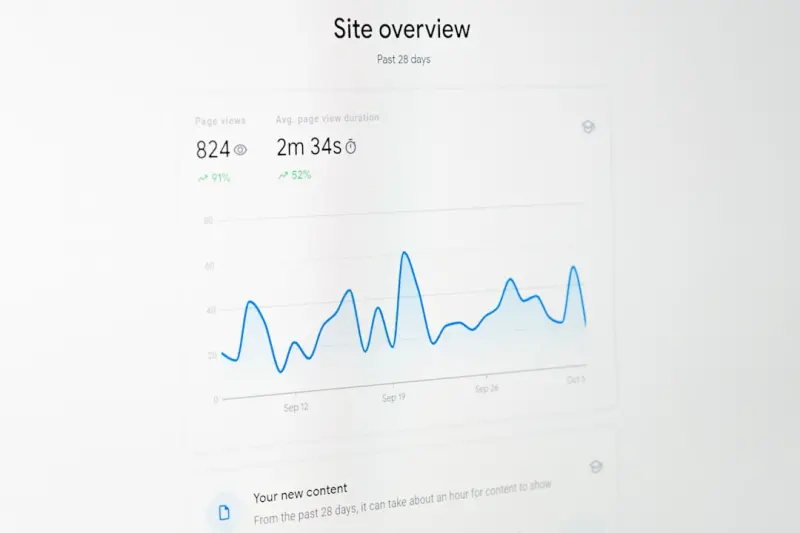
Traditional metrics like organic traffic are still useful, but I now prioritize intent‑aligned signals such as query‑specific CTR, dwell time on purpose‑driven pages, and conversion rates tied to user goals. By setting up custom dashboards that track these metrics, you can see exactly how well your intent‑first strategy translates into business outcomes. When the data aligns, you have proof that focusing on user purpose beats any keyword‑centric shortcut.

When it comes to the world of blogging and writing, Rose DesRochers is a name that stands out. Her passion for creating quality content and connecting with her audience has made her a trusted voice in the industry. Aside from her skills as a writer and blogger, Rose is also known for her compassionate nature.
Related Posts

Intent-First SEO: The Game‑Changing Tips You Need Today
A practical guide to intent‑first SEO, showing how to map user intent, optimize technically, and m... Read More

Unlocking the Power of Intent-First SEO: Practical Tips for Modern Marketers
Learn how to harness intent‑first SEO with practical steps—research user intent, map keywords to... Read More

How Customer Success Stories Can Supercharge Your SaaS SEO
Customer success stories are more than sales collateral; they’re SEO gold. Learn how to structure,... Read More
Top Posts
AI Search as a Real‑Time Insight Engine for SaaS Teams
Learn how to build an AI‑powered search layer that aggregates support tickets, usage data, and docs into contextual answers and actionable recommendations, tu...Read More

Intent‑First SEO: How to Align Content, Rank Higher, and Drive Real Conversions
Learn how an Intent‑First mindset transforms SEO—align content with user goals, improve rankings, and drive genuine conversions with practical, data‑drive...Read More

Cracking Google’s AI-Powered Search: Proven Tactics for Modern SEO
Learn how AI is reshaping Google search and get practical tactics—keyword research, E‑E‑A‑T, structured data, and more—to keep your site visible in th...Read More

Beyond Content: Building an SEO‑Ready Architecture in WordPress
Learn why WordPress SEO success hinges on site architecture—use structured data, purposeful taxonomy silos, and intentional internal linking to boost rankings...Read More
0 Comments
Post Comment
You will need to Login or Register to comment on this post!