

Why Intent-First SEO Matters Today
Search engines have evolved from simple keyword matchers to sophisticated interpreters of user purpose, and that shift is the backbone of intent‑first SEO. When a searcher types a query, Google’s algorithms try to guess the underlying goal—whether it’s to learn, buy, or navigate. Aligning your strategy with that goal means you’re speaking the same language as the engine, dramatically improving the chances of surfacing on the SERP. Marketers who ignore intent risk building content that looks good on paper but falls flat in real‑world performance, leading to high bounce rates and wasted budget. By embracing intent, you not only boost rankings but also create a more satisfying experience for the audience, turning casual visitors into loyal customers.
Start with User Intent Research
The first step is to uncover the “why” behind each search term, and that begins with deep user research. Tools like Google’s People Also Ask, query‑related searches, and even forum discussions reveal the nuanced questions people are asking. Create a spreadsheet of primary and secondary intents, then categorize them into informational, navigational, transactional, or commercial investigation. This taxonomy becomes the roadmap for every piece of content you produce. Remember, intent isn’t static; it shifts with trends, seasonality, and emerging technologies, so schedule regular audits. For a deeper dive, check out Why Intent‑First SEO Is the Secret Weapon Modern Marketers Need and discover how leading brands are leveraging intent to dominate their niches.
Map Keywords to the Funnel
Once you’ve identified intents, align them with the buyer’s journey to ensure each keyword serves a purpose. Top‑of‑the‑funnel queries are typically broad and informational—think “how does SEO work?”—while middle‑of‑the‑funnel terms become more specific, like “best intent‑first SEO tools.” Bottom‑of‑the‑funnel keywords signal purchase intent, such as “buy intent‑first SEO software.” By mapping this progression, you can craft content that guides users naturally from curiosity to conversion. Use internal linking strategically to bridge gaps between stages, passing link equity and context throughout the site. A well‑structured funnel not only improves rankings but also streamlines the path to revenue.
Craft Content That Satisfies Intent
With the keyword‑to‑funnel map in hand, it’s time to produce content that directly answers the user’s question. Start with a clear headline that mirrors the query, then deliver the answer within the first 100 words—Google loves immediacy. Follow up with supporting details, examples, and actionable steps that deepen the user’s understanding. Use a mix of formats—lists, tables, videos—to cater to different learning styles. Don’t forget to weave in semantic variations and related entities; this signals to search engines that your piece covers the topic comprehensively. When you consistently meet the searcher’s expectations, you’ll see higher dwell times, lower pogo‑sticking, and ultimately, better rankings.
Leverage Structured Data for Clarity
Schema markup is the hidden language that tells search engines exactly what your content represents, reinforcing the intent you’ve identified. Implementing FAQ, How‑To, or Review schema can turn ordinary pages into rich results, giving you a visual edge in the SERPs. These enhanced snippets often attract higher click‑through rates because users see immediate answers before they even land on your site. Keep your markup accurate and up‑to‑date; mismatched schema can lead to penalties. For a practical walkthrough, explore Intent‑First SEO: Proven Tips to Elevate Your Rankings and learn how structured data can amplify your intent‑focused strategy.
Optimize On‑Page Signals for Intent
Beyond content, every on‑page element—title tags, meta descriptions, header hierarchy, and image alt text—must echo the user’s purpose. A title tag that includes the exact query and a compelling promise improves relevance scores. Meta descriptions should succinctly summarize the solution, enticing clicks while reinforcing intent. Use H2 and H3 headings to break down the answer into digestible sections, mirroring how people scan information. Internal links with descriptive anchor text help both users and crawlers navigate the intent map you’ve built. Keep URL structures clean and keyword‑rich, but avoid over‑optimization; natural language wins in the long run.
Measure Success with Intent‑Focused Metrics
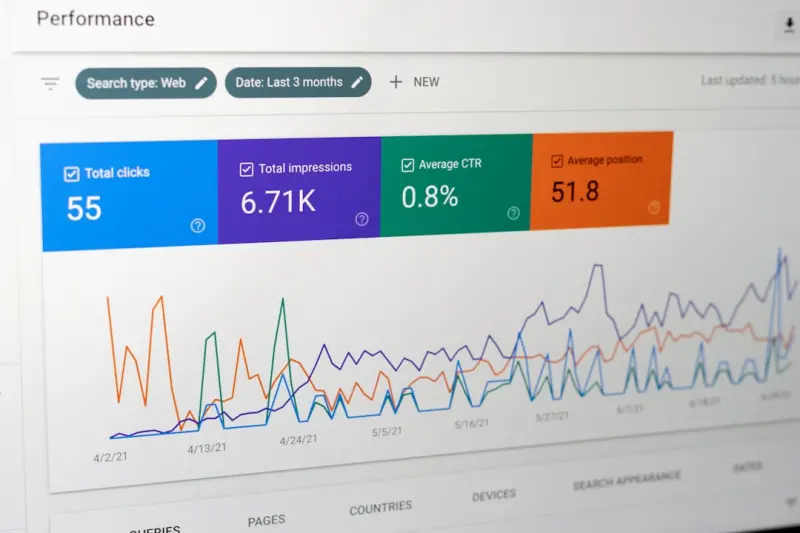
Traditional SEO metrics like organic traffic and keyword rankings remain important, but they don’t tell the whole story when intent is your north star. Track engagement signals that reflect intent fulfillment: dwell time, scroll depth, and conversion rates for each intent segment. Use Google Search Console’s “Queries” report to see which queries drive the most clicks and impressions, then map those back to your intent categories. A rise in “Helpful Content” signals—low bounce rates and high return visits—indicates you’re meeting user expectations. Adjust your strategy based on these insights, iterating to sharpen the alignment between searcher needs and your offerings.
Common Pitfalls and How to Avoid Them
Even seasoned marketers slip into old habits that sabotage intent‑first efforts. One common error is stuffing content with irrelevant keywords, hoping to capture more traffic; this dilutes relevance and can trigger algorithmic penalties. Another trap is ignoring the evolution of intent—what was informational yesterday may become transactional today. Regularly revisit your intent taxonomy to keep it fresh. Over‑reliance on generic templates also hurts; each piece should be uniquely tailored to its specific query and audience. Finally, neglecting mobile experience can undermine intent fulfillment, as users increasingly search on‑the‑go. Conduct mobile usability tests and ensure fast load times to maintain a seamless experience across devices.
Putting It All Together: Your Action Plan
Start today by auditing your existing content for intent alignment—identify gaps, then prioritize high‑impact pages for revision. Create a living intent map that ties keywords, funnel stages, and content types together, and share it with your team to foster collaboration. Implement schema markup on core pages, and fine‑tune on‑page SEO elements to reflect user purpose. Set up dashboards that track intent‑centric metrics, and schedule quarterly reviews to adjust tactics as search behavior shifts. By embedding intent into every layer of your SEO workflow, you’ll not only climb the rankings but also build a resilient brand that resonates with real user needs. The future of search is intent—make it the cornerstone of your strategy now.

When it comes to the world of blogging and writing, Rose DesRochers is a name that stands out. Her passion for creating quality content and connecting with her audience has made her a trusted voice in the industry. Aside from her skills as a writer and blogger, Rose is also known for her compassionate nature.
Related Posts

Intent‑First SEO: How to Ride the Wave and Skyrocket Your Rankings
Learn how to shift from keyword obsession to intent‑driven SEO, crafting content that satisfies us... Read More

Conversational SEO: Turning Questions Into Rankings
Discover a fresh SEO strategy that prioritizes conversational queries, voice search, and structured ... Read More

Crawl Budget Mastery: Turning Google’s Bot into Your SEO Ally
Discover practical steps to master crawl budget, from pruning low‑value URLs to leveraging interna... Read More
Top Posts
Prompt Engineering: Turning Users into Search Engineers
Learn how mastering prompt engineering transforms AI search from static queries into dynamic, conversational experiences, giving brands a powerful new way to en...Read More
Visual Search Is Redefining Rankings: What SEOs Must Do
Explore the rise of visual search and learn practical strategies to optimize images, leverage AR, and boost your site's visibility in the new image‑first SERP...Read More

Unlocking Hidden Revenue: Post‑Purchase Upsell Strategies That Drive Massive eCommerce Growth
Learn proven post‑purchase upsell tactics—from thank‑you page offers to personalized email flows—that transform single sales into long‑term revenue st...Read More

The Rise of Conversational Commerce: Turning Chat Apps into Sales Engines
Discover why messaging platforms are the new sales frontier, how AI chatbots blend automation with empathy, and the metrics that prove conversational commerce w...Read More
0 Comments
Post Comment
You will need to Login or Register to comment on this post!