
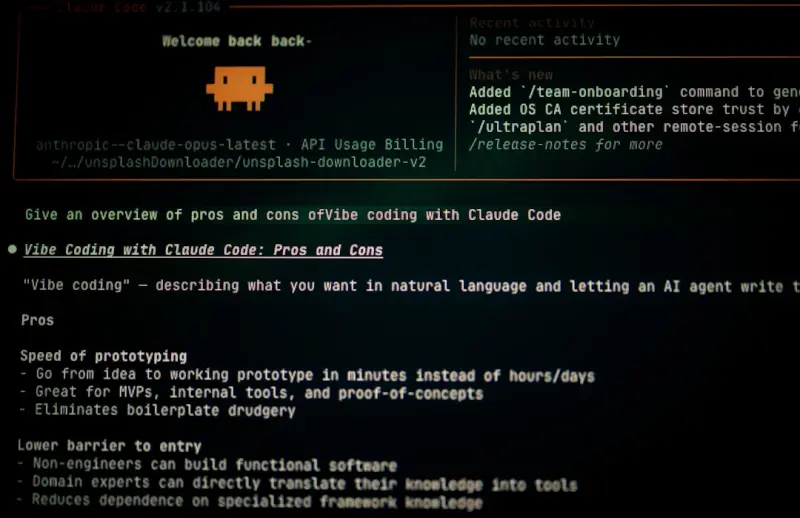
Imagine walking into a library where the books rearrange themselves the moment you think of a topic, offering not just the title but a concise, contextual answer in your native voice. That’s the promise of next‑gen AI search, and it’s reshaping the way we think about the search interface itself. Rather than passively typing keywords, users are now becoming co‑creators of the query, leveraging prompt‑engineering techniques that transform a simple question into a nuanced, multi‑dimensional request.
From Keywords to Prompts: A Paradigm Shift
Traditional search engines relied on exact match algorithms and backlink signals, but today’s large language models interpret intent through the lens of natural language, making the prompt the new keyword. When you ask “What’s the best way to boost organic traffic without spending a fortune?” an AI‑driven engine parses the financial constraint, the goal of traffic growth, and even your tone, delivering a tailored playbook instead of a list of generic articles. This shift demands that marketers and content creators think like conversational designers, crafting prompts that guide the model toward the most valuable answer.
Designing Effective Prompts for Search
The art of prompt design hinges on clarity, context, and constraint. Start by framing the query with explicit parameters—like audience, format, and depth—to steer the AI away from vague or overly broad results. For example, “Provide a 5‑step checklist for small‑business owners to improve on‑page SEO using free tools” gives the model a clear structure to follow, resulting in actionable output rather than a scattered essay. Remember to embed relevant entities and synonyms; this enriches the semantic field and helps the engine surface content that aligns with user intent.
Prompt Layers: Building a Query Stack
Advanced users are experimenting with layered prompts, where one query feeds into the next, creating a dynamic search conversation. First, ask the AI for a high‑level overview, then drill down with follow‑up prompts that refine scope or request examples. This iterative approach mirrors the way a human researcher narrows focus, and it unlocks deeper insights that static keyword searches miss. Think of each layer as a sieve, progressively filtering out noise until you arrive at a precise, actionable answer.
Real‑World Applications: From Content Strategy to Customer Support
Businesses can harness prompt‑engineered search for everything from brainstorming content calendars to troubleshooting product issues. A marketer might start with “Generate ten blog topics on sustainable e‑commerce practices” and then refine each suggestion with “Add a sub‑heading that targets long‑tail keywords with buyer intent.” Meanwhile, a support team could use “Summarize the top three reasons users abandon checkout on mobile” to instantly surface pain points and inform UI tweaks. The versatility of prompts turns AI search into a universal research assistant across departments.
Measuring Success: New Metrics for Prompt‑Driven Search
Since the query format has evolved, traditional metrics like click‑through rate need augmentation. Track prompt satisfaction scores, measuring how often users refine or repeat a query, and monitor the time saved per research task. Tools that log prompt iterations can reveal patterns—perhaps certain phrasing consistently yields higher relevance—allowing teams to codify best‑practice prompt libraries. Over time, these data points become a feedback loop that continuously improves both content creation and AI model tuning.
Integrating Prompt‑Optimized Search with Existing SEO Strategies
Prompt‑centric search doesn’t replace SEO; it amplifies it. By aligning your content architecture with the types of prompts your audience uses, you ensure that AI models surface your pages as authoritative answers. For instance, embedding structured data that mirrors common prompt structures—like FAQs formatted as “How to…”—helps the engine map your content directly to user queries. Pair this with a solid internal linking framework (Boost Your Rankings with a Tactical Internal Linking Strategy) to signal hierarchy and relevance, turning your site into a prompt‑friendly knowledge hub.
The Ethical Dimension: Guarding Against Prompt Manipulation
As prompts gain power, the potential for manipulation grows. Bad actors might craft deceptive prompts that surface misinformation or bias, while over‑optimization could lead to “prompt stuffing,” where content is unnaturally tailored to AI expectations at the expense of human readability. Maintaining transparency—by disclosing AI‑generated insights and regularly auditing prompt outcomes—protects brand credibility and upholds the integrity of the search ecosystem. Ethical stewardship becomes a competitive advantage in a landscape where trust is paramount.
Future Outlook: The Convergence of Prompt Engineering and Conversational UI
The next frontier will blend prompt engineering with real‑time conversational interfaces, allowing users to speak naturally and receive instant, context‑aware answers. Imagine a voice‑activated dashboard where you say, “Show me the latest SEO trends for micro‑communities,” and the system not only pulls data but also recommends a content plan tailored to your brand’s voice. This seamless integration will blur the line between search and dialogue, making the AI search experience as intuitive as chatting with a knowledgeable colleague. Embracing prompt mastery now positions your brand at the forefront of this emerging conversational search era.

Jimmy Anand is a content creator that gets inspired by many aspects of life, internet or whatever inspires him at that moment. When he's not online he's gaming and when he is not gaming he is online trolling discussion boards.
Related Posts

When AI Search Becomes a Strategic Ally for B2B SaaS Growth
AI search is evolving from a novelty to a core growth engine for B2B SaaS. This post explains how co... Read More

Reinforcement Learning: The Next Frontier in AI Search Personalization
Explore how reinforcement learning can turn search engines into adaptive, real‑time personal assis... Read More

AI Search Evolution: From Static Results to Conversational Intelligence
Discover the shift from static search snippets to AI‑driven conversations, the rise of multimodal ... Read More
Top Posts

Supercharging WordPress SEO with Core Web Vitals, AI, and Structured Data
A practical guide shows how performance, AI‑generated topics, and schema markup can transform a sluggish WordPress site into a high‑ranking traffic engine....Read More

Google Algorithm Shifts Toward Intent‑Centric Rankings
The article explains Google’s move from keyword matching to understanding user intent, offering practical steps for SaaS marketers to adapt their content, lev...Read More

Why Voice Search Is the Next Frontier for Google SEO
Learn actionable tactics to optimize for Google’s voice search, from question‑based keywords and FAQ schema to local “near me” queries and performance b...Read More

Reviving Old Content: A Strategic Guide to SEO Refreshes
Discover a step‑by‑step framework to revitalize stale posts, align them with current intent, and turn them into ranking powerhouses without starting from sc...Read More
0 Comments
Post Comment
You will need to Login or Register to comment on this post!