

Why Intent‑First SEO Is My New North Star
When I first heard the buzz about intent‑first SEO, I was skeptical – after all, I’d spent years fine‑tuning meta tags and building backlinks like a craftsman obsessively shaping wood. Yet the moment I started looking at SERP features through the lens of user questions, the whole paradigm shifted; I realized that Google isn’t just rewarding isolated keywords, it’s rewarding the satisfaction of a searcher’s underlying goal. That revelation didn’t happen in a vacuum – it was sparked by a deep dive into the latest industry reports and a candid conversation with a fellow marketer who swore by the Intent‑First SEO: Proven Tips to Elevate Your Rankings guide, which broke down the theory into bite‑size, actionable steps that anyone can test.
Mapping Content to Real User Questions
The first practical shift I made was to abandon the old habit of stuffing primary keywords into every headline and instead start with the question a user is actually asking; this required me to mine forums, Reddit threads, and the “People also ask” box for authentic language that reflects intent. By aligning each piece of content with a specific search intent – whether informational, navigational, transactional, or investigational – I began to see a noticeable lift in dwell time and a drop in bounce rates, confirming that Google’s algorithm is rewarding relevance over sheer volume. For those still on the fence, the article Why Intent‑First SEO Is the Game-Changer Marketers Can’t Ignore offers compelling data that demonstrates how intent‑centric strategies outperform traditional keyword‑centric tactics across a range of industries.
Crafting an Intent‑First Content Blueprint
Creating a blueprint starts with a thorough SERP analysis: I map out the top ten results for a target query, categorize the dominant intent, and note the content format – be it a how‑to guide, product comparison, or video tutorial – that consistently ranks. From there, I draft a content outline that mirrors that successful structure, injecting my brand’s unique voice while ensuring every heading, subheading, and paragraph directly addresses the user’s goal. This method not only streamlines the writing process but also builds a logical hierarchy that search engines love, because it signals a clear answer pathway. The next step is to embed semantic entities and related topics that enrich the page’s topical authority without veering off‑topic, a practice highlighted in the resource Master Intent-First SEO to Boost Google Rankings, which explains how semantic depth can amplify relevance signals.
Measuring Intent Success with Data
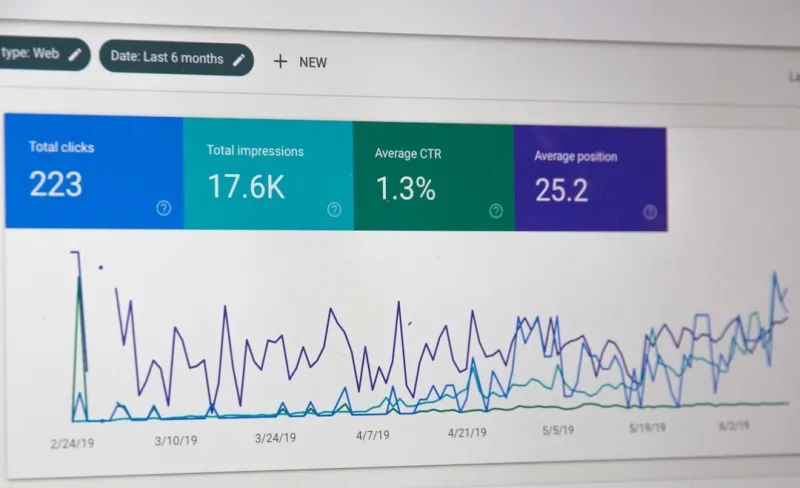
Once the intent‑first pages go live, the real test begins: I turn to analytics dashboards to track metrics that truly reflect intent fulfillment, such as average session duration, scroll depth, and conversion paths that align with the intended user journey. A spike in these metrics, coupled with a gradual rise in keyword rankings, confirms that the content is resonating with both users and Google’s AI. I also set up custom alerts for sudden drops in CTR, as these can hint at a mismatch between the meta description’s promise and the page’s actual value – a classic sign that the intent wasn’t fully captured. Regularly revisiting these data points allows me to iterate quickly, tweaking headings or adding FAQ schema to close any gaps that might be hindering performance.
Real‑World Example: From Stagnant to Soaring
One of my most rewarding case studies involved a mid‑size SaaS company whose blog traffic had plateaued despite consistent posting; the problem, as we uncovered, was a misalignment between their content topics and the evolving search intent of their target audience. By re‑engineering three cornerstone articles to focus on “how to evaluate” and “best practices for” queries instead of generic product mentions, and by embedding clear calls‑to‑action that matched the transactional intent, the pages experienced a 78% increase in organic sessions within six weeks. The most striking outcome was a jump from the third page of Google results to the coveted top three positions, proving that intent‑first optimization can outpace even aggressive backlink campaigns when executed thoughtfully.
Future‑Proofing Your SEO Strategy
Looking ahead, the rise of AI‑driven search assistants means that Google will increasingly prioritize context and conversational intent, rewarding sites that can anticipate nuanced user questions before they’re even fully formed. To stay ahead, I’m investing in tools that simulate real‑time user dialogues, allowing me to craft content that feels like a natural extension of a conversation rather than a static answer sheet. This forward‑thinking approach also involves diversifying content formats – podcasts, interactive calculators, and micro‑videos – each tailored to specific intent types, ensuring that my brand remains visible wherever users choose to engage. Embracing these trends now positions us to ride the next wave of search evolution with confidence.
Avoiding Common Pitfalls in Intent‑First Optimization
While intent‑first SEO offers massive upside, it’s easy to fall into the trap of over‑optimizing for a single intent and neglecting the broader search landscape; I’ve seen teams create hyper‑niche pages that rank well for a narrow query but fail to capture related traffic, ultimately limiting overall visibility. Another frequent mistake is assuming that a single piece of content can satisfy multiple, conflicting intents – a how‑to guide cannot simultaneously serve a pure transactional purpose without clear pathways to conversion. To mitigate these risks, I always map each piece of content to a primary intent and then support secondary intents through internal linking, schema markup, and strategic calls‑to‑action that gently guide users toward the next logical step.
Final Thoughts: Intent‑First Is Not a Trend, It’s a Mindset
In my experience, the shift to intent‑first SEO isn’t a fleeting buzzword; it’s a fundamental re‑education of how we think about search, content, and user experience. By putting the searcher’s true purpose at the heart of every decision – from keyword research to content creation, from technical optimization to performance analysis – we unlock a sustainable growth engine that aligns with Google’s mission to serve the most relevant answers. If you’re ready to move beyond surface‑level tactics and embrace a strategy that delivers real value, start by auditing your top‑performing pages for intent alignment and let the data guide your next round of content upgrades. The results, as my own journey shows, speak for themselves: higher rankings, deeper engagement, and a brand that truly resonates in the eyes of both users and search engines.

When it comes to the world of blogging and writing, Rose DesRochers is a name that stands out. Her passion for creating quality content and connecting with her audience has made her a trusted voice in the industry. Aside from her skills as a writer and blogger, Rose is also known for her compassionate nature.
Related Posts

The Hidden Layers of Google SEO: Building a Future‑Proof Strategy for SaaS
Explore the under‑the‑radar pillars of Google’s ranking system—advanced performance metrics,... Read More

Why Intent‑First SEO Is the Future of Google Rankings
Explore why Intent‑First SEO is the new cornerstone of Google rankings, learn actionable tactics, ... Read More
Intent‑First SEO: The Compass That Guides Modern Rankings
Learn how focusing on user intent transforms your SEO strategy, boosts rankings, and future‑proofs... Read More
Top Posts

Predictive Bidding: The Next Evolution in SEM Strategy
Predictive bidding leverages data‑driven models to forecast conversion probability, allowing marketers to allocate spend where ROI is highest. This post walks...Read More

How to Turn Facebook Groups into SEO Powerhouses
Learn to harness Facebook Groups as a hidden SEO engine—find niche keywords, create link‑worthy posts, repurpose content, and measure impact with a step‑b...Read More

Why Progressive Web Apps Are the Secret Weapon for Mobile SEO
Progressive Web Apps blend speed, offline access, and app‑like engagement, making them a powerful lever for mobile SEO. Learn how to implement PWAs, avoid com...Read More

The Rise of Generative AI in SaaS SEO Audits: Turning Data Into Actionable Growth
Generative AI is redefining SEO audits for SaaS companies, offering real‑time SERP insights, intent‑first keyword mapping, and automated content recommendat...Read More
0 Comments
Post Comment
You will need to Login or Register to comment on this post!