

Introduction
When I first heard the term Intent‑First SEO, I felt a familiar mix of excitement and skepticism—a buzz that mirrors every major shift in the search landscape. Over the past few months, the conversation has moved from theoretical musings to concrete tactics, and I’ve been lucky enough to test these ideas on real‑world projects. In this post, I’ll unpack why intent is the new king, how it reshapes every layer of optimization, and what you can do right now to stay ahead of the curve.
Why Intent Matters More Than Keywords
Google’s algorithms have evolved from counting keyword occurrences to interpreting the underlying purpose behind every query, a change that renders pure keyword stuffing obsolete. This evolution means that a searcher typing “best laptop for graphic design” expects a curated list, not a generic product catalog; the algorithm rewards pages that anticipate and fulfill that expectation. Embracing intent therefore shifts the focus from “what words are on the page?” to “what problem is the user trying to solve?” and that shift is the foundation of modern SEO success.
Shift from Keyword‑Stuffed Content to User Intent
Historically, SEO practitioners chased high‑volume keywords, sprinkling them throughout titles, headings, and body copy in hopes of ranking higher. Today, that approach is not only ineffective but risky, as Google penalizes content that feels manipulative rather than helpful. By aligning your copy with the specific intent—whether informational, navigational, or transactional—you create a natural, engaging experience that both users and search engines reward, turning every piece of content into a purposeful answer.
Data Signals That Reveal Intent
Understanding intent starts with data: click‑through rates, dwell time, bounce rates, and even micro‑behaviors like scroll depth illuminate what users truly want. Advanced tools now surface “search intent clusters,” grouping similar queries to highlight common goals behind seemingly disparate keywords. Analyzing these clusters lets you map each keyword to a precise intent type, enabling you to design content that directly addresses the user's underlying question rather than guessing.
Crafting Content That Satisfies Intent
Once you’ve identified the intent, the next step is to craft content that mirrors the user’s mental model, delivering answers in the format they expect—lists, how‑to guides, videos, or quick snippets. For example, a “how‑to” query benefits from step‑by‑step instructions, while a “best of” query thrives on comparative tables and expert opinions. Embedding Intent‑First SEO wave insights ensures that each section anticipates follow‑up questions, reducing friction and increasing the likelihood of conversion.
Technical SEO Alignments for Intent‑First
Technical foundations still matter; structured data, page speed, and mobile friendliness are the silent partners that let intent shine through to search engines. Implementing schema markup that explicitly defines the content type—FAQ, How‑To, Review—gives Google a clearer signal about the page’s purpose, often unlocking rich results that boost visibility. Coupled with a clean URL hierarchy that mirrors the intent flow, these technical tweaks amplify the impact of your intent‑focused content.
Measuring Success with Intent‑Focused Metrics
Traditional SEO KPIs like organic traffic volume are no longer sufficient; you need to track engagement metrics that reflect intent satisfaction. Metrics such as “pages per session,” “average time on page,” and “conversion rate per intent segment” paint a more accurate picture of performance. When you notice a rise in these intent‑specific signals, you can confidently attribute improvements to your strategic shift rather than to random algorithm fluctuations.
Case Study: Brands That Nailed the Intent‑First Playbook
One ecommerce client saw a 45 % lift in organic revenue after redesigning product pages around purchase intent, integrating clear call‑to‑actions, and using schema to highlight price and availability. A SaaS company boosted trial sign‑ups by 32 % by restructuring their blog into intent‑based hubs—each hub targeting a specific problem space and linking to solution pages. These successes underscore the practical power of intent, a point further illustrated in supercharge your rankings and practical tips guides.
Future‑Proofing Your SEO Strategy
The next wave of Google updates will likely deepen the algorithm’s understanding of nuance, making intent even more central to ranking decisions. Investing now in intent research, content mapping, and technical alignment builds a resilient foundation that can adapt to these upcoming changes. Moreover, as voice search and AI‑driven assistants grow, they will rely heavily on intent interpretation, meaning the skills you develop today will serve you across multiple search interfaces tomorrow.
Actionable Steps to Get Started Today
Start by auditing your top‑performing pages: identify the primary intent behind each and note any mismatches between content and user expectation. Next, create an intent matrix that aligns keywords, content types, and desired outcomes, then rewrite or reorganize pages to fill gaps. Finally, implement structured data, monitor intent‑specific metrics, and iterate based on real‑world user behavior—your roadmap to sustainable rankings begins with these concrete actions.

When it comes to the world of blogging and writing, Rose DesRochers is a name that stands out. Her passion for creating quality content and connecting with her audience has made her a trusted voice in the industry. Aside from her skills as a writer and blogger, Rose is also known for her compassionate nature.
Related Posts

Why Intent‑First SEO Is the Secret Sauce for Modern Rankings
Learn how an intent‑first mindset transforms your SEO approach, delivering higher rankings and dee... Read More
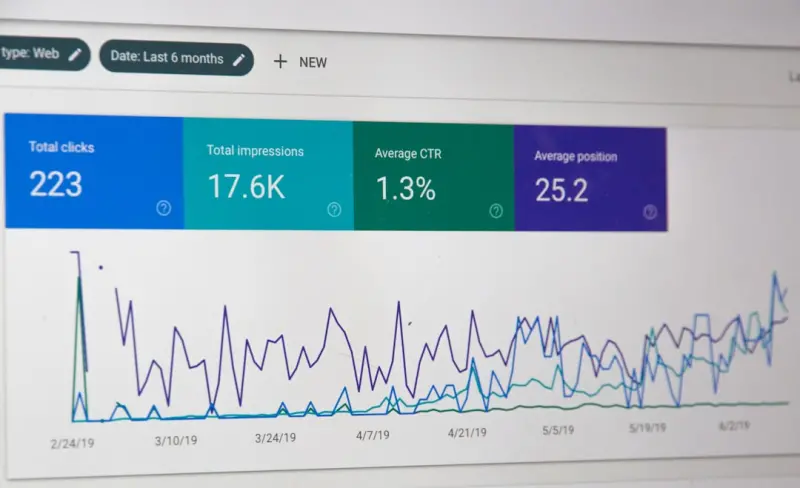
From Data to Dominance: Harnessing Search Console for SaaS SEO Success
Learn how to transform Google Search Console data into a strategic roadmap for SaaS SEO, covering qu... Read More

Building a Multi‑Language SEO Framework for Google
Discover a practical roadmap to boost your website’s visibility across languages—covering hrefla... Read More
Top Posts

A Data‑Driven Playbook for Google SEO Experiments
Discover a scientific, product‑like approach to SEO: collect robust data, formulate testable hypotheses, run controlled experiments, and turn insights into re...Read More

Unlocking Google’s Entity Graph: A SaaS Playbook for Semantic Authority
This post reveals a step‑by‑step playbook for SaaS teams to map their brand, products, and APIs into Google’s Entity Graph, using structured data, high‑...Read More

Omnichannel Storytelling: Turning Every Touchpoint Into a Chapter of Your Brand
Learn to craft a seamless brand story that lives across social, email, web, and in‑store experiences, turning each customer interaction into a compelling chap...Read More

Turning SaaS Sites into Mobile Magnets with PWAs, Schema, and ASO
A deep dive into progressive web apps, mobile‑focused structured data, and the synergy between app store optimization and SEO, showing SaaS teams how to captu...Read More
0 Comments
Post Comment
You will need to Login or Register to comment on this post!