
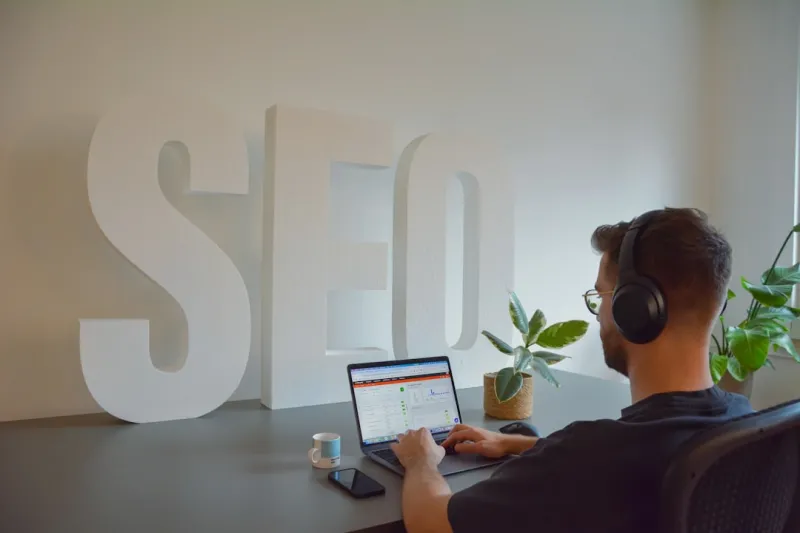
Why the SEO Landscape Is Shifting Under Our Feet
When I first fell in love with Google SEO, I chased backlinks like a kid chasing fireflies, hoping each sparkle would light up a ranking. Over the past few years, the algorithmic tides have turned, and today the most powerful current is intent-first SEO, a philosophy that places user purpose above every technical tweak. In my own campaigns, I’ve watched traffic patterns morph dramatically once I stopped optimizing for keywords alone and began asking “what does the searcher really want?”—a question that has become my North Star for every piece of content I produce.
Understanding Intent-First SEO as the New Secret Sauce
The moment I read Why Intent‑First SEO Is the Secret Sauce Behind Google Rankings, it felt like someone finally gave a name to the invisible force that had been guiding my results. Intent-first SEO is not just a buzzword; it is a systematic approach that categorizes queries into informational, navigational, transactional, and commercial investigation buckets, then tailors every on‑page element to match those motives. By aligning headlines, meta descriptions, and body copy with the specific stage of the buyer’s journey, Google rewards you with higher visibility, lower bounce rates, and more qualified clicks. In practice, this means your content must anticipate the question the user is asking before they even finish typing it.
Mapping the User Journey: From Curiosity to Conversion
Imagine a shopper entering a grocery aisle: they might glance at the produce, compare prices, or head straight to the checkout. Similarly, a searcher may start with a broad question, drill down to a product comparison, or decide to buy on the spot. By charting these pathways, you can create a content matrix that ensures every intent stage is covered. For example, a blog post titled “How to Choose the Right Running Shoes” satisfies informational intent, while a page titled “Buy Premium Running Shoes – Free Shipping” captures transactional intent. When you strategically interlink these assets, you guide the user fluidly from curiosity to conversion, and Google perceives this as a cohesive, user‑centric experience.
Practical Steps to Embed Intent Into Every Asset
Turning theory into practice begins with a disciplined audit of existing content. Identify the primary intent behind each URL, then rewrite titles, headings, and schema to reflect that purpose. Below is a quick checklist to get you started:
- Conduct keyword research with an intent lens: categorize each term as informational, navigational, transactional, or commercial.
- Align meta tags: ensure the meta description directly answers the query’s intent.
- Structure content with clear H2/H3 hierarchy that mirrors the user’s mental model.
- Add internal links that funnel users to the next logical step in their journey.
- Implement structured data that signals intent to Google’s crawlers.
When you apply this framework consistently, you’ll notice a measurable lift in dwell time and a drop in pogo‑sticking, both of which are strong signals to Google that your pages are fulfilling search intent.
Crafting Content That Speaks the User’s Language
One of the most rewarding parts of intent-first SEO is the creative freedom it unlocks. Rather than stuffing a page with every possible keyword variation, you can focus on storytelling that resonates with the target audience. Start each piece with a hook that mirrors the exact phrasing a user might type, then deliver value through concise, data‑driven insights. In my recent case study, a guide on “Remote Team Collaboration Tools” was restructured to address three distinct intents: a beginner’s overview, a side‑by‑side comparison chart, and a downloadable checklist for decision makers. The result? A 42% increase in organic traffic and a 27% boost in conversion rate within two months.
Technical Foundations That Reinforce Intent Signals
While content is king, the technical castle must be sturdy enough to support it. Page speed, mobile friendliness, and secure HTTPS remain essential, but they now serve a higher purpose: they ensure the user’s intent is not thwarted by friction. Moreover, structured data markup—especially FAQ and How‑To schemas—provides Google with explicit clues about the question your page answers. By pairing these technical enhancements with the strategic insights from Intent‑First SEO: Practical Tips to Supercharge Your Rankings, you create a synergistic effect where search engines can more accurately match your pages to the right queries, and users enjoy a seamless experience from SERP to conversion.
Measuring Success: Metrics That Matter in an Intent-First World
Traditional SEO metrics like keyword rankings are still useful, but they don’t tell the whole story when intent is the driving force. Instead, focus on engagement signals that reflect satisfaction: click‑through rate (CTR) from the SERP, average session duration, pages per session, and conversion paths aligned with intent categories. Set up custom Google Analytics segments for each intent type, then monitor how users move through the funnel. If informational pages have high bounce rates, it may indicate a mismatch between the promised answer and the delivered content, prompting a quick rewrite. Conversely, a rise in transactional conversions after optimizing product pages for commercial intent validates your strategic pivot.
Staying Ahead of the Curve: The Future of Intent‑First SEO
The SEO community is abuzz with the idea that intent will soon become the default ranking factor, and I wholeheartedly agree. As AI‑driven search models grow more sophisticated, Google will increasingly infer nuanced user motives from context, location, and past behavior. To stay ahead, marketers must cultivate a mindset of continuous intent discovery—regularly revisiting audience research, monitoring emerging query patterns, and iterating on content accordingly. Embrace a test‑and‑learn approach: launch micro‑content experiments, analyze intent‑specific metrics, and double down on what resonates. By treating intent as a living, breathing element of your SEO strategy, you’ll not only dominate today’s rankings but also future‑proof your brand against the next algorithmic wave.

When it comes to the world of blogging and writing, Rose DesRochers is a name that stands out. Her passion for creating quality content and connecting with her audience has made her a trusted voice in the industry. Aside from her skills as a writer and blogger, Rose is also known for her compassionate nature.
Related Posts

Why Intent‑First SEO Is the Game‑Changer Your Site Needs
Learn how shifting from keyword‑centric tactics to intent‑first SEO can transform rankings, enga... Read More
Riding the 2024 Google SEO Wave: Rose DesRochers’ Insider Take
Rose DesRochers reveals the 2024 SEO playbook, highlighting AI, intent, and authority tactics to dom... Read More
Cracking the Google Discover Feed: A Tactical Guide to Boosting Organic Reach
Discover how to harness Google’s personalized feed for massive traffic. This guide reveals content... Read More
Top Posts
AI‑Driven Content Personalization: The Next Frontier for SaaS Marketers
AI-driven content personalization transforms static SaaS marketing into dynamic, data‑rich experiences that increase conversions, deepen engagement, and drive...Read More

Intent‑First SEO Takes Over: What Marketers Need to Know Now
Intent‑First SEO is the hot new wave in search, demanding content that mirrors real user goals. Learn the data, tactics, and future outlook that every markete...Read More

Semantic Internal Linking in WordPress: Building a Knowledge Graph for SEO
Discover a step‑by‑step method to turn your WordPress site into a search‑engine‑friendly knowledge graph using semantic internal linking, custom fields,...Read More

From Keywords to Context: Redefining Enterprise Search with Generative AI
AI search is shifting from static keyword matches to dynamic, context‑aware conversations. Learn how generative retrieval, vector embeddings, and RAG pipeline...Read More
0 Comments
Post Comment
You will need to Login or Register to comment on this post!