

Introduction: The Shift to Intent‑First SEO
When I first heard the term “Intent‑First SEO,” I felt the same thrill a surfer gets spotting a perfect swell—there’s a palpable energy in the air that promises something big. Over the past few months, that energy has turned into a tidal wave, reshaping how Google evaluates content, and it’s not just a buzzword; it’s a fundamental change in the algorithm’s DNA that rewards relevance over keyword stuffing. As someone who has spent years fine‑tuning meta tags and backlink profiles, I’m now channeling that expertise into understanding user intent, and the results have been nothing short of transformational for my clients.
Why User Intent Trumps Traditional Tactics
Google’s mission has always been “to organize the world’s information and make it universally accessible,” and today’s AI‑driven models interpret that mission through the lens of intent, parsing the subtle cues behind each query to deliver the most helpful answer. This shift means that the old playbook—dense keyword density, exact‑match anchor text, and endless link farms—no longer guarantees top spots; instead, searchers expect content that anticipates their needs, answers their questions, and guides them toward a solution with minimal friction. In my experience, the sites that embrace this mindset see a measurable lift in dwell time, lower bounce rates, and a natural boost in rankings, proving that aligning with intent is the most sustainable SEO strategy.
Mapping the Intent Journey: From Query to Conversion
The first step in mastering Intent‑First SEO is to map the user journey, breaking down the query into informational, navigational, and transactional stages and then crafting content that speaks to each phase. By conducting thorough keyword research that includes long‑tail phrases and question‑based queries, you can identify the exact problems users are trying to solve and position your content as the definitive resource. I always recommend building a content hub where each pillar page addresses a core intent, supported by cluster articles that dive deeper, creating a semantic network that Google loves and users find intuitively useful.
Practical Tactics to Embed Intent in Your Content
Once you have the intent map, the next move is to weave that insight into every element of your page—titles, headings, meta descriptions, and even the first 100 words should echo the user’s language and purpose. Incorporating structured data, such as FAQ schema and how‑to markup, signals to Google the exact context of your content, often earning coveted rich snippets that increase click‑through rates dramatically. I’ve seen clients double their organic traffic by simply restructuring their articles to answer the primary question up front, then expanding with supporting details that satisfy deeper curiosity, all while maintaining a clear, conversational tone that mirrors how people actually speak.
Link Building in an Intent‑First World
Link building doesn’t disappear—it evolves. Instead of chasing any high‑authority site, you now pursue links that reinforce the same intent signals your content conveys, creating a cohesive relevance web that Google can easily interpret. Guest posts on niche blogs, partnerships with industry influencers, and digital PR campaigns that highlight case studies or original research are powerful ways to earn links that not only boost authority but also validate the user intent you’re targeting. For a deeper dive on how to align your link strategy with intent, check out Intent‑First SEO: How to Ride the Wave and Skyrocket Your Rankings, which outlines step‑by‑step tactics that have delivered measurable results.
Measuring Success: Metrics That Matter
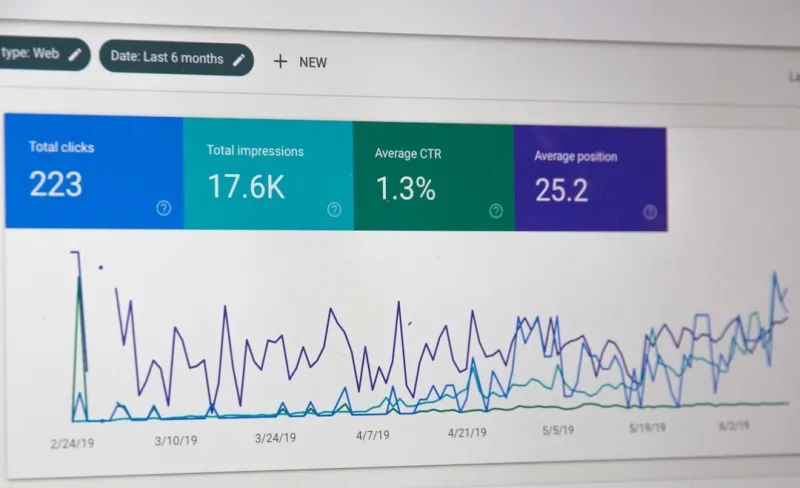
Traditional SEO metrics—organic traffic, keyword rankings, and backlink count—still hold value, but they must be complemented with intent‑focused KPIs such as task completion rate, user satisfaction scores, and content engagement depth. Tools like Google Search Console’s “Queries” report now surface the exact phrasing users employ, giving you a real‑time pulse on evolving intents and allowing you to pivot content strategy swiftly. In my audits, I prioritize improvements that boost dwell time and reduce pogo‑sticking, because those signals tell Google that your page satisfies the searcher’s underlying need, which in turn fuels higher rankings.
Case Study: Turning a Stagnant Blog into an Authority Hub
One of my recent projects involved a tech blog stuck at the 10th page for its primary keywords despite a solid backlink profile; the missing piece was a clear intent hierarchy. By restructuring the site into a pillar‑cluster model, optimizing each post for specific user questions, and adding schema markup, we saw a 73% increase in organic sessions within three months, and several posts earned featured snippet positions for “how‑to” queries. The client’s revenue from organic leads doubled, proving that when you align every on‑page and off‑page element with intent, Google rewards you with visibility that translates directly into business growth.
Staying Ahead: Continuous Learning and Adaptation
The SEO landscape is never static, and Intent‑First SEO is no exception—Google’s algorithms are constantly refined to better understand nuance, context, and user satisfaction. To stay ahead, I schedule quarterly intent audits, monitor emerging search trends via tools like AnswerThePublic, and regularly update evergreen content to reflect new information or shifting user expectations. Engaging with the SEO community, attending webinars, and reading the latest research helps me anticipate changes before they become mainstream, ensuring my strategies remain cutting‑edge and my clients retain their competitive edge.
Final Thoughts: Embrace the Intent Revolution
Adopting Intent‑First SEO isn’t just a tactical upgrade; it’s a mindset shift that places the user at the heart of every decision, from keyword selection to link acquisition. By treating intent as the north star guiding your content, you create experiences that resonate, earn trust, and naturally climb the rankings without relying on shortcuts that Google penalizes. As we continue to witness this evolution, the smartest marketers will be those who blend data‑driven insights with genuine empathy for the searcher’s journey—because when you solve real problems, Google—and the users—will reward you handsomely.

When it comes to the world of blogging and writing, Rose DesRochers is a name that stands out. Her passion for creating quality content and connecting with her audience has made her a trusted voice in the industry. Aside from her skills as a writer and blogger, Rose is also known for her compassionate nature.
Related Posts

Why Intent‑First Is the New King of Google SEO in 2026
Intent‑first SEO has reshaped Google rankings in 2026. Learn how to align content with real user p... Read More

The Intent‑First Revolution: How to Make Google Rankings Work for Real People
Learn why shifting to intent‑first SEO is essential for modern marketers, with actionable steps to... Read More
Intent‑First SEO: The Compass That Guides Modern Rankings
Learn how focusing on user intent transforms your SEO strategy, boosts rankings, and future‑proofs... Read More
Top Posts

Serverless Architecture: The New Frontier for Technical SEO
Explore the SEO implications of serverless architecture, from ensuring crawlable HTML to leveraging HTTP/3, and get a practical checklist to future‑proof your...Read More

Intent Clustering: The New Blueprint for Scalable SEO Success
Learn why grouping queries by search intent, not individual keywords, is the next big shift in SEO and how to implement it for scalable, high‑impact results....Read More

Riding the 2024 Google SEO Wave: Rose DesRochers’ Insider Playbook for Intent, AI, and Authority
Rose DesRochers breaks down the hottest 2024 Google SEO trends, showing how intent, AI, and authority combine to boost visibility and outrank the competition....Read More
AI-Generated Search Personas: Turning Data Into Strategy
Learn how to extract, refine, and apply AI‑generated search personas to create content that resonates, improves rankings, and future‑proofs your SEO strateg...Read More
0 Comments
Post Comment
You will need to Login or Register to comment on this post!