

Why Customer Success Stories Are Your Secret SEO Weapon
When I first started digging into SaaS growth hacks, I was obsessed with the usual suspects: backlinks, technical audits, and keyword research. That was before I realized the real gold mine lives right under our noses—our own customers. Their triumphs, frustrations, and the language they use to describe results are a high‑intent, trust‑filled content source that most marketers overlook.
From Anecdote to Authority: The SEO Value of Real‑World Outcomes
Search engines have become adept at rewarding content that demonstrates expertise, authority, and trust (E‑A‑T). A well‑crafted case study or testimonial does exactly that. It shows:
- Evidence of real impact—Google loves data‑driven proof points.
- User‑generated language—Matches the natural queries prospects type into the search bar.
- Link‑earning potential—Happy customers often link back from their own sites or press releases.
When you combine these factors with a strategic SEO framework, you turn a simple success story into a ranking powerhouse.
Step 1: Capture the Story in Search‑Friendly Format
Most SaaS teams collect success metrics in a CRM or a private dashboard, but the format is rarely optimized for discovery. Here’s how to repurpose that data:
- Title tag: Include the customer’s name (or industry) and a quantifiable result. Example: “How Acme Corp Cut Churn by 42% with XYZ Platform.”
- Meta description: Summarize the challenge, solution, and outcome in under 155 characters, sprinkling a primary keyword.
- Header hierarchy: Use
<h2>and<h3>tags for each narrative segment (Challenge, Solution, Results, Takeaways). This creates a clear outline for crawlers. - Schema markup: Implement
ArticleandReviewschemas to surface rich snippets.
Don’t forget to embed the story in a dedicated landing page rather than tucking it away in a PDF or gated download. Search bots can’t crawl behind a form, but they can index a clean HTML page with proper tags.
Step 2: Mine the Language for Long‑Tail Keywords
Listen to how your customers talk. Pull the exact phrasing they use in interviews, emails, or support tickets. Those phrases are often the long‑tail queries your prospects type. For instance, “reduce onboarding friction” might be a phrase that appears in a case study but not in your keyword list.
Use a simple process:
- Export interview transcripts into a spreadsheet.
- Run a frequency analysis to surface recurring terms.
- Map those terms to search intent (informational, navigational, transactional).
- Incorporate the highest‑value terms naturally throughout the case study.
When you do this, you’re essentially building a semantic topic cluster around each customer story, amplifying both relevance and depth.
Step 3: Leverage the Story Across Multiple Content Channels
One case study can fuel an ecosystem of SEO assets:
- Blog posts: Break down the methodology into a how‑to guide.
- Infographics: Visualize the numbers for shareability.
- Video testimonials: Host on YouTube with a keyword‑rich title and description.
- Social snippets: Pull quotable stats for LinkedIn or Twitter, each linking back to the full story.
Each piece gets its own URL, its own set of internal links, and its own chance to rank. The more entry points you create, the more “link equity” you distribute across your site, reinforcing the original case study’s authority.
Step 4: Turn the Story into a Link‑Magnet
People love sharing success. Offer a shareable badge that customers can embed on their own sites: “Proud partner of XYZ SaaS – 42% churn reduction.” When they place that badge, they automatically create a backlink to your case study page.
Additionally, reach out to industry publications or niche blogs that covered the customer’s success. Pitch the story as a news angle and request a backlink. Because it’s a genuine result, editors are more likely to accept.
Step 5: Optimize for Technical SEO
Even the most compelling story won’t rank if the page loads slowly or has crawl issues. Follow these technical best practices:
- Compress images and serve them via a CDN.
- Implement
rel=canonicalif you repurpose the same content in multiple places. - Use
lazy‑loadingfor embedded videos to improve Core Web Vitals. - Check for broken internal links—especially if you reference other case studies or resources.
If you’re looking for a deeper dive into technical tactics, the Edge SEO post is a solid primer.
Step 6: Measure Impact with the Right KPIs
Don’t just assume the story is working—track it. Key metrics include:
- Organic traffic growth to the case study URL.
- Keyword rankings for the long‑tail terms you integrated.
- Backlink acquisition stemming from badge placements and outreach.
- Conversion rate on CTA buttons (e.g., “Request a Demo”).
Set up a custom dashboard in Google Analytics or a BI tool to monitor these signals weekly. When you see a lift, double down; when the numbers stall, revisit the content structure or outreach strategy.
Step 7: Scale the Process—Build a Story Engine
Once you’ve nailed the workflow for a single story, automate the pipeline:
- Trigger: When a customer reaches a predefined success milestone (e.g., 30‑day adoption rate > 80%).
- Collect: Send an automated interview request to the CSM and the customer.
- Draft: Use a template that auto‑populates data fields (KPIs, quotes, screenshots).
- Review: Have the product marketing lead approve for brand consistency.
- Publish: Push to a CMS that automatically adds schema markup and internal links.
Over time, you’ll have a “story engine” churning out fresh, SEO‑rich case studies every quarter, each feeding the broader content ecosystem.
Bonus: Turn Your Knowledge Base Into a Companion Resource
If you already have a robust knowledge base, cross‑link your case studies with relevant help articles. This not only improves user experience but also creates additional internal link pathways, boosting the SEO strength of both assets. For more on leveraging your knowledge base for SEO, check out the post Turn Your SaaS Knowledge Base Into an SEO Powerhouse.
Common Pitfalls to Avoid
Even with a solid plan, teams can stumble. Here are the traps I’ve seen:
- Over‑optimizing language: Forcing keywords into quotes makes the narrative sound robotic.
- Gating the content: Requiring a form before the story loads kills organic traffic.
- Neglecting updates: A case study that’s three years old may contain outdated stats—refresh it annually.
- Skipping internal linking: Orphaned pages miss out on the “link juice” that could elevate them.
Keep the reader’s experience front‑and‑center, and let SEO be the supportive framework, not the headline.
Wrapping Up: Your Next Action Steps
Ready to turn your happy customers into SEO champions? Here’s a quick checklist to get you moving:
- Identify the top 5 customers with quantifiable wins.
- Schedule interviews and collect raw data.
- Draft SEO‑optimized case study pages using the structure above.
- Publish, embed schema, and add internal links to related resources.
- Launch the badge outreach and monitor backlinks.
- Set up a KPI dashboard and review performance after 30 days.
By treating each success story as a strategic SEO asset, you’ll not only amplify your brand’s credibility but also capture high‑intent traffic that’s primed to convert. The secret isn’t a magic algorithm—it’s the real‑world results you already have, packaged in a search‑engine‑friendly way.

Brody Lambert is an emerging freelance writer whose fresh voice and thoughtful approach are quickly making their mark. As a fairly new entrant in the world of freelance writing, Brody brings a blend of curiosity and dedication that fuels every project, crafting stories and content that resonate with authenticity and clarity.
Related Posts
The 2024 SEO Playbook: Rose DesRochers’ Insider Secrets for Intent, AI, and Authority
Rose DesRochers shares her 2024 SEO playbook, blending intent, AI, and authority tactics to boost ra... Read More
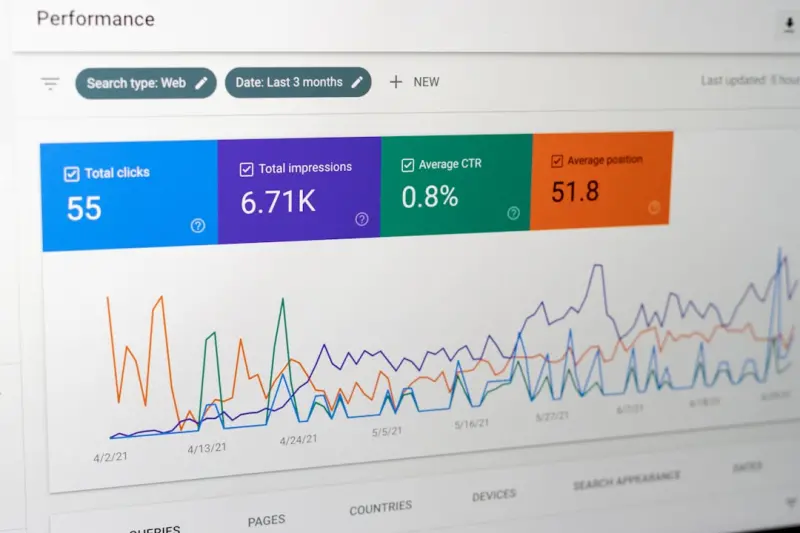
How to Build a Content Hub That Dominates Search
Learn step‑by‑step how to craft a content hub that fuels organic growth, improves user experienc... Read More

Intent‑First SEO Tips: Align Content, Rank Higher, and Drive Real Conversions
Learn how to pivot your SEO strategy to an intent-first approach, crafting content that matches user... Read More
Top Posts

Cracking Google Discover for B2B SaaS: A Playbook
Google Discover isn’t just a consumer feed—it’s a powerful, interest‑driven channel that B2B SaaS marketers can master. This playbook outlines visual st...Read More
Core Web Vitals on Mobile: The SaaS Ranking Secret
Core Web Vitals are the new gatekeepers of mobile SEO. This post walks SaaS marketers through diagnosing, fixing, and integrating LCP, FID, and CLS into a conti...Read More

Privacy‑First SEO: Thriving in a Cookieless Future
Explore the shift to privacy‑first SEO, with actionable tips on contextual keywords, first‑party data, and secure technical signals to thrive without thirdâ...Read More
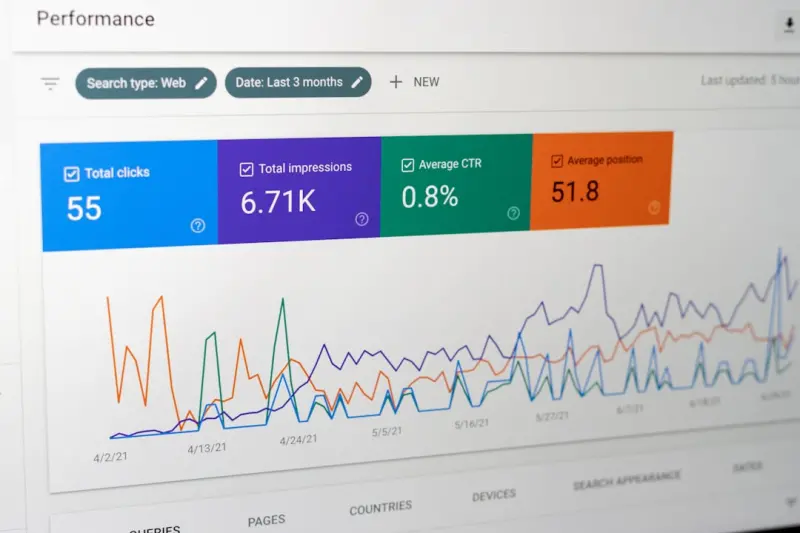
From Search Data to Product Growth: Leveraging Google Search Console for SaaS Success
Discover how treating Google Search Console as a product‑management dashboard can reveal feature gaps, prioritize content, and drive revenue for SaaS business...Read More
0 Comments
Post Comment
You will need to Login or Register to comment on this post!