

Understanding the Intent‑First Paradigm
When I first dove into the world of Intent‑First SEO, I realized it wasn’t just a buzzword but a fundamental shift in how search engines evaluate relevance, and that realization reshaped every recommendation I make to clients; instead of chasing isolated keywords, I now map each piece of content to the specific question a user is asking, the problem they need solved, or the decision they hope to make, which means my research phase starts with “why” before “what.” This mindset forces me to audit existing assets through the lens of user journeys, asking whether a blog post truly satisfies a transactional, informational, or navigational need, and if not, I either overhaul the piece or retire it in favor of something more aligned, because search engines are getting smarter at detecting gaps between query intent and page purpose, and they reward sites that bridge that gap consistently. By internalizing this approach, I’ve seen traffic patterns transform from volatile spikes to steady, sustainable growth, a pattern echoed in the insights from Intent‑First SEO: The Secret Sauce for Sustainable Rankings, which proves that intent‑driven content is the new backbone of lasting visibility.
Why Intent‑First Beats Keyword Stuffing
In the early days of SEO, I watched marketers cram as many exact‑match keywords as possible into titles and meta descriptions, hoping to cheat the algorithm, only to see those tactics crumble as Google refined its natural language processing capabilities; today, the same platforms penalize keyword stuffing with lower rankings, higher bounce rates, and reduced trust, making it clear that relevance outweighs repetition. By focusing on the underlying user need, I craft headlines that speak directly to the searcher’s goal—such as “How to Choose the Right Project Management Tool” instead of “Project Management Tool Best Tool Best Tool”—which not only aligns with Google’s intent signals but also improves click‑through rates because the promise is crystal clear, and this shift from keyword density to intent clarity is precisely what the article Mastering Modern SEO: Intent‑First Strategies That Deliver Real Traffic highlights as the catalyst for modern optimization. The result is a content ecosystem where each page serves a purpose, and search engines reward that purpose with higher rankings and more qualified visitors.
Practical Steps to Audit Your Content
Map User Intent to Every Asset
The first actionable step I recommend is a systematic audit where you assign a primary intent label—informational, navigational, transactional, or commercial investigation—to every piece of content, a process that can be streamlined using a simple spreadsheet that captures the target query, the current ranking, and the intent classification; this exercise forces you to confront mismatches, such as a page ranking for “best ergonomic chairs” while only offering a brand story, and then you can decide whether to rewrite, merge, or retire the page. Next, I suggest enriching each piece with semantic signals like FAQs, related topics, and structured data that explicitly communicate the intended purpose to both users and crawlers, because Google’s BERT and MUM models thrive on context, and providing that context reduces ambiguity and improves relevance scores. Finally, after the audit, I prioritize updates based on traffic potential and ranking difficulty, focusing first on high‑volume queries where a modest tweak can catapult a page from page three to the coveted top three, a strategy that mirrors the practical recommendations found in Unlocking the Power of Intent‑First SEO: Practical Tips for Modern Marketers.
Leverage Structured Data for Intent Signals
One of the most underutilized tools in the Intent‑First toolbox is structured data, which lets you annotate content with schema markup that explicitly tells search engines the type of information you’re presenting—be it a recipe, a product review, or a how‑to guide—thereby reinforcing the page’s intent and increasing the chances of earning rich snippets that boost visibility and click‑through rates; I often start by adding FAQPage or HowTo schema to relevant articles because they map cleanly to informational intent and are favored by Google’s SERP features. In addition to traditional markup, I explore newer schemas like SpeakableSpecification for voice search and Product for e‑commerce intent, because aligning markup with the user’s end goal signals to Google that the page is the best match for that query, which can translate into “position zero” placements. The cumulative effect of these enhancements is a more precise communication channel between your content and the algorithm, reducing the reliance on guesswork and ensuring that intent is unmistakably conveyed across devices and formats.
Link Building with Intent in Mind
Traditional link building often focuses on acquiring as many backlinks as possible, regardless of relevance, but in an Intent‑First world the quality of the linking context matters more than sheer volume; I therefore target sites whose audience shares the same search intent, such as partnering with a finance blog for a transactional article about “best credit cards for travel” because the referral traffic will be primed to convert, and the backlink itself carries a strong intent signal that Google interprets as endorsement of relevance. Guest posts, digital PR, and collaborative content are most effective when the anchor text reflects the user’s goal rather than a keyword mash, so I use natural phrases like “how to choose a travel credit card” instead of exact‑match anchors, which aligns with Google’s emphasis on contextual relevance and helps avoid penalties for over‑optimization. By curating a backlink profile that mirrors the intent hierarchy of your own site, you not only boost authority but also reinforce the semantic ecosystem that search engines use to rank pages.
Measuring Success the Intent‑First Way
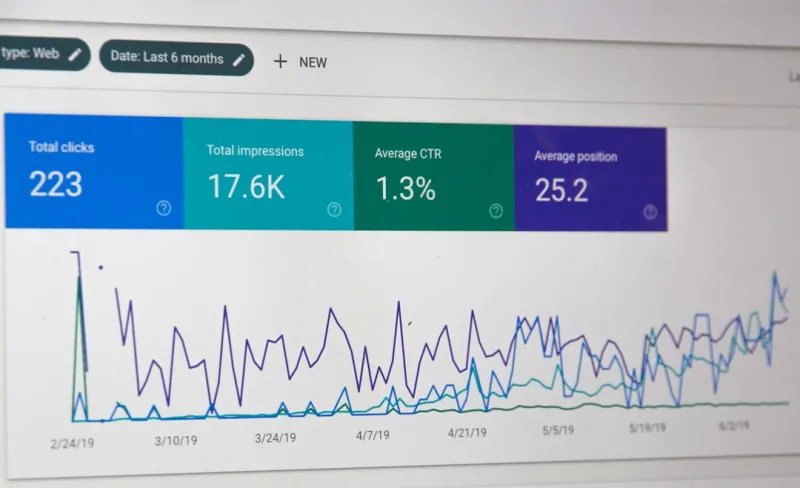
Metrics for Intent‑First SEO go beyond traditional rankings and organic traffic; I focus on intent‑aligned engagement indicators such as dwell time, pogo‑sticking rates, and conversion paths that directly reflect whether a page satisfied the user’s original need, because a high bounce rate on a supposedly informational article often signals a mismatch between promised intent and delivered content, prompting a quick revisit of the content strategy. Tools like Google Search Console’s “Queries by Intent” report (when available) or third‑party intent classification platforms let you segment impressions and clicks by intent type, providing a granular view of which intents are driving the most value and which need further optimization; I also set up goal funnels in Google Analytics that map the user journey from organic impression to final conversion, ensuring that each step aligns with the intended outcome. When these intent‑focused KPIs move in the right direction—higher average session duration, lower exit rates on key pages, and improved conversion ratios—I know the strategy is paying off, even if raw rankings fluctuate temporarily.
Common Pitfalls to Avoid
One mistake I see repeatedly is the temptation to repurpose old content without reassessing its intent, which can lead to “keyword cannibalization” where multiple pages compete for the same query, diluting authority and confusing both users and crawlers; the remedy is to consolidate overlapping assets into a single, comprehensive resource that clearly states its purpose, then use proper canonical tags to signal the preferred version. Another trap is over‑optimizing anchor text in internal linking, turning every link into an exact‑match phrase; instead, I vary the anchor language to reflect the surrounding context and natural reading flow, which helps Google understand the nuanced relationships between pages and prevents spammy signals. Lastly, neglecting to update structured data when the underlying content changes can create a mismatch that leads to SERP penalties, so I schedule regular schema audits alongside content reviews to keep intent signals synchronized across the board.
Future‑Proofing Your SEO Strategy
Looking ahead, the trajectory of search is unmistakably intent‑centric, with AI‑driven models like MUM and Gemini interpreting user queries in increasingly sophisticated ways, meaning the only sustainable path is to embed intent into every layer of your digital presence—from content ideation and creation to technical SEO and outreach; I therefore champion a culture of continuous intent validation, where each new piece of content is tested against real‑world search behavior using tools like Google’s People Also Ask and SERP analysis to confirm alignment before publishing. Investing in semantic clusters rather than isolated articles creates a web of related topics that reinforces overall authority and makes it easier for search engines to surface the right piece at the right moment, a strategy that dovetails with the insights from the broader Intent‑First movement. By treating intent as the north star of your SEO roadmap, you not only safeguard against algorithmic volatility but also build a resilient brand experience that meets users where they are, turning casual browsers into loyal customers for the long term.

When it comes to the world of blogging and writing, Rose DesRochers is a name that stands out. Her passion for creating quality content and connecting with her audience has made her a trusted voice in the industry. Aside from her skills as a writer and blogger, Rose is also known for her compassionate nature.
Related Posts

Unlock the Secret to Intent‑First SEO: Proven Tips for Real Rankings
Learn how to master intent‑first SEO with practical tips, content architecture advice, and interna... Read More

Unlocking Intent-First SEO: Fresh Tips for Modern Marketers
Rose shares practical intent-first SEO tactics—understanding user intent, optimizing for featured ... Read More

Master the Intent-First Playbook: Proven SEO Tips for Today's Search Landscape
Learn how to shift from keyword‑stuffing to an intent‑first approach with practical tips on mapp... Read More
Top Posts
Intent‑First SEO: Transform Your Rankings with User‑Centric Strategies
Learn why intent‑first SEO is essential, how to map content to user intent, and the technical steps to boost rankings while delivering real value to searchers...Read More

Why Community‑First Marketing Beats Traditional Funnels for SaaS Growth
A community‑first approach flips the traditional marketing funnel, turning customers into co‑creators and brand ambassadors. Learn how to build, measure, an...Read More

From Cart to Community: How Shoppable Live Streams Are Redefining eCommerce
Shoppable live streams blend real‑time interaction with instant purchasing, creating urgency and social proof that drive higher conversion rates and stronger ...Read More

Riding the Intent‑First Wave: How Marketers Can Stay Ahead in SEO
Explore the rise of intent‑first SEO, its impact on rankings, and practical steps marketers can take today to harness this powerful shift....Read More
0 Comments
Post Comment
You will need to Login or Register to comment on this post!