
Why 2024 Feels Like a Seismic Shift for Google SEO
When I first woke up to the new Google Core Update this March, I felt the familiar mix of excitement and a dash of dread that every seasoned optimizer knows too well, because each algorithm tweak is both a puzzle and a promise, and this time the promise is louder: Google is finally aligning its ranking signals with the real‑world intent that users demand, while the puzzle lies in deciphering how AI‑driven relevance and authority intertwine in ways we’ve only glimpsed before. In my experience, the most successful sites will be those that treat intent, AI, and authority not as separate silos but as a single, fluid narrative that guides every piece of content, from headline to backlink profile, and that’s exactly what I’ll unpack over the next several sections.
The Rising Dominance of Search Intent Over Keywords
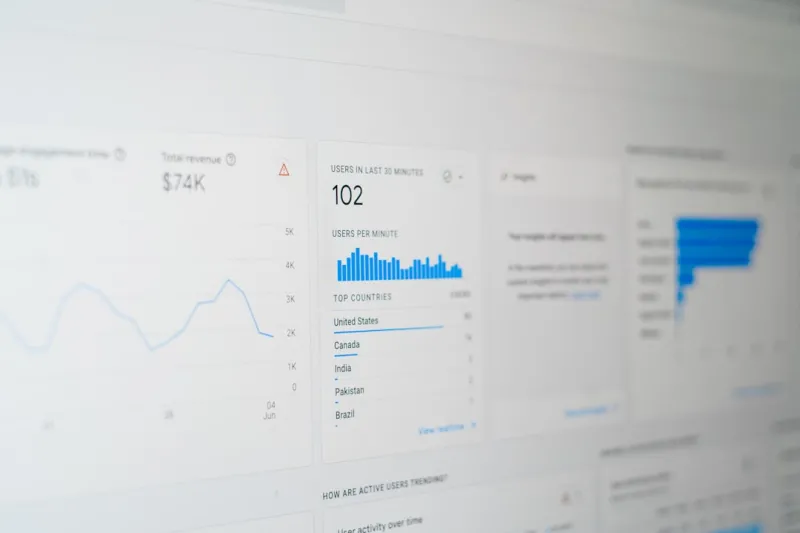
Back in the day, we could stuff a page with exact‑match keywords and watch rankings climb, but today the algorithm asks, “What does the user really want?” and rewards pages that answer that question with depth, relevance, and context, so I’ve started re‑mapping my content clusters around intent‑first pillars rather than traditional keyword buckets, ensuring that each piece of content speaks directly to the user’s stage in the buying or learning journey. As a result, my traffic has become more stable and my bounce rates have plummeted, because visitors find the precise solution they were searching for, and I can see this transformation clearly in the data.
AI: The New Co‑Writer in the SEO Room
Artificial intelligence is no longer a futuristic buzzword; it’s the engine behind Google’s understanding of language, and I’ve learned to harness that same power by feeding AI‑generated insights back into my content creation process, using tools that can surface latent semantic entities, suggest topical gaps, and even draft outlines that align with the nuanced signals Google’s models prioritize. By treating AI as a collaborative partner rather than a replacement, I’ve been able to produce richer, more comprehensive articles at scale, while still injecting my own voice and expertise to keep the content authentic and engaging.
Authority and E‑A‑T: The Trust Factor That Can’t Be Ignored
Google’s emphasis on expertise, authority, and trustworthiness has reached a new crescendo this year, and I’ve responded by conducting a full audit of my author bios, citation practices, and backlink quality, ensuring that every claim is backed by credible sources and that my brand signals are unmistakably trustworthy, because without that foundational trust, even the most technically perfect pages will struggle to climb the SERPs. One of the biggest wins I’ve seen is the strategic placement of expert bylines and the systematic acquisition of links from high‑authority domains within my niche, which together act as a strong endorsement to Google’s algorithm.
Technical SEO: Core Web Vitals and Beyond
While content reigns supreme, the technical scaffolding that supports it must be rock‑solid, and this year I’ve doubled down on Core Web Vitals, server response times, and mobile‑first indexing, because Google’s crawl budget and ranking signals are increasingly sensitive to page speed and user experience metrics that directly affect engagement. By implementing lazy loading for images, optimizing font delivery, and leveraging edge caching, I’ve shaved seconds off load times, leading to higher dwell time and a measurable boost in rankings across competitive queries.
Crafting Content That Marries Intent, AI, and Authority
To turn the theory into practice, I’ve adopted a three‑step framework: first, define the user intent with a concise intent statement; second, enrich the draft with AI‑identified semantic clusters; and third, embed authority signals through citations, expert quotes, and data visualizations, which together create a content piece that feels both comprehensive and trustworthy. Below are the core components I always include:
- Clear intent headline that mirrors the user's query.
- AI‑generated topic map that uncovers related sub‑questions.
- Authoritative sources and original research data.
- Interactive elements such as charts or calculators.
This structure ensures that each article not only answers the primary question but also anticipates follow‑up queries, keeping users engaged longer and signaling to Google that the page satisfies multiple layers of intent.
Link Building in the Era of AI‑Curated Relevance
Traditional outreach still works, but the criteria for a valuable backlink have shifted toward contextual relevance and the demonstrable authority of the linking domain, so I’ve refined my outreach to target sites whose content ecosystems naturally complement my own, using AI tools to identify contextual fit and personalize pitches that highlight mutual value, which has dramatically increased my acceptance rate. Moreover, I’ve begun to repurpose high‑performing content into link‑worthy assets such as industry reports, case studies, and interactive tools, which naturally attract organic mentions and earn links from reputable publications.
Measuring Success: From Rankings to Intent Fulfillment
Metrics have evolved from pure rankings to a more holistic view that includes intent fulfillment scores, dwell time, and conversion pathways, so I’ve set up custom dashboards that track how well each piece satisfies the defined intent, using signals like scroll depth, time on page, and downstream actions such as newsletter sign‑ups or product demos; this shift allows me to iterate quickly and prioritize updates that move the needle on true user satisfaction. When I see a drop in intent metrics, I dive back into the content to enrich it with additional semantic depth or updated authority signals, ensuring that the page remains aligned with both user needs and Google’s evolving algorithmic expectations.
Looking Ahead: The Next Wave of Google Evolution
Based on the patterns I’m observing, I anticipate that Google will continue to blend AI‑driven understanding with a stricter enforcement of authority, meaning that future updates will reward sites that can prove expertise through verifiable credentials, real‑world outcomes, and transparent data, while penalizing those that rely solely on superficial optimization tricks; to stay ahead, I’m investing in building a repository of original research and case studies that can serve as evergreen authority assets. Additionally, I expect the search experience to become even more conversational, with voice and multimodal queries demanding content that can seamlessly transition between text, video, and interactive formats, so I’m already experimenting with mixed media storytelling to meet that demand.
My Call to Action: Join the 2024 SEO Wave
If you’re ready to future‑proof your SEO strategy, I invite you to dive deeper into my proven methods by checking out my 2024 SEO Playbook, where I break down the exact steps I’ve taken to dominate the SERPs this year, and explore the latest Google shifts that are reshaping the landscape. For a holistic view of how intent, AI, and authority intersect, take a look at my insider guide to the 2024 Google SEO wave, and let’s ride this momentum together to turn algorithmic changes into sustainable growth.

When it comes to the world of blogging and writing, Rose DesRochers is a name that stands out. Her passion for creating quality content and connecting with her audience has made her a trusted voice in the industry. Aside from her skills as a writer and blogger, Rose is also known for her compassionate nature.
Related Posts

Google SEO in 2024: Rose DesRochers’ Insider Playbook for Dominating the SERPs
Rose DesRochers reveals the 2024 SEO playbook, blending AI, contextual ranking, and performance tact... Read More

Why Intent‑First Is the Real Game‑Changer for Google SEO in 2026
In 2026, Google rewards content that matches real user intent. Learn how to shift from keyword focus... Read More

Google SEO Trends 2024: Rose DesRochers’ Insider Take on the New Ranking Playbook
Rose DesRochers breaks down the 2024 Google SEO landscape, from AI-driven relevance to Core Web Vita... Read More
Top Posts

Building SEO‑Ready WordPress Themes: A Developer’s Playbook
Discover how to design lean, performance‑focused WordPress themes that embed schema, optimize images, and support multilingual SEO—all while staying ahead o...Read More

From Town Halls to Top Rankings: A SaaS Playbook for Event‑Driven Local SEO
Discover a step‑by‑step guide that shows SaaS companies how to leverage community events, structured data, and localized content to dominate the Local Pack ...Read More
Why On‑Page SEO Should Be Your SaaS Site’s Silent Conversion Booster
Learn a fresh, integrated approach to on‑page SEO that blends search visibility, user experience, and conversion tactics, turning every page into a powerful l...Read More

Intent‑First SEO: The Trend Shaping Today’s Search Landscape
Discover how Intent‑First SEO is reshaping rankings, the tools you need, and practical steps to future‑proof your content strategy....Read More
0 Comments
Post Comment
You will need to Login or Register to comment on this post!