

Why Community Events Are the Secret Weapon for Local SEO
When most SaaS marketers think about local SEO, they picture Google Business Profiles, citation building, and a handful of location‑specific keywords. What they often overlook is the explosive, real‑time signal that a well‑orchestrated community event can send to search engines. In my experience, every meetup, workshop, or pop‑up demo isn’t just a chance to connect with prospects—it’s a high‑impact SEO catalyst that can push your brand into the coveted Local Pack.
The Anatomy of an Event‑Driven Local SEO Boost
Search engines have become masters at interpreting intent, and they love fresh, hyper‑relevant content. A community event satisfies both criteria:
- Freshness Signal: Google rewards newly published, location‑specific content. An event page that’s updated with agenda changes, speaker line‑ups, and live‑stream links signals that your business is active in the community.
- Relevance Signal: By embedding the city, neighborhood, and venue details throughout the page, you help Google associate your SaaS offering with that precise geography.
- Engagement Signal: Attendees generate photos, reviews, and social buzz. Each mention, check‑in, or shared post creates a backlink‑like endorsement that strengthens local authority.
Combine those three signals, and you’ve got a recipe for a rapid rise in local rankings—often within days of the event’s launch.
Step‑by‑Step Playbook: From Planning to Ranking
Below is a practical roadmap that takes you from the first brainstorming session to seeing your business appear in the Local Pack.
1. Choose a Locally Resonant Theme
Pick a topic that aligns with both your SaaS solution and a local need. For example, a data‑analytics platform could host a “Small Business KPI Workshop” at a co‑working space downtown. The goal is to create a natural tie between the software and the geographic community.
2. Secure a Verified Google Business Profile (GBP) for the Event Venue
If the venue already has a GBP, claim it as a “partner location” on your profile. If not, create a temporary listing for the event space—just be sure to remove it once the event concludes to avoid duplicate listings.
3. Deploy Structured Data with Event Schema
Adding Event schema to your landing page tells Google exactly when, where, and what the event is about. Include these key properties:
name– Clear, keyword‑rich title (e.g., “Data‑Driven Growth Workshop – Boston”)startDateandendDatelocation– Include address, venue name, and@type“Place”offers– Ticket price or “Free” if applicableperformer– List speakers and their titles
Google’s semantic content hub research shows that rich snippets can boost click‑through rates by up to 30 %.
4. Craft an Optimized Event Landing Page
Every on‑page element should serve local intent:
- Title Tag: Include city and event type (“Boston Data‑Driven Growth Workshop – Free”) and keep it under 60 characters.
- Meta Description: Highlight the date, location, and a compelling CTA.
- Header Hierarchy: Use H2s for agenda items, speaker bios, and venue directions.
- Content: Sprinkle neighborhood landmarks and transit options—Google loves granular location cues.
- Calls‑to‑Action: Use UTM parameters that feed back into your analytics, letting you attribute traffic to the event.
5. Leverage Local Influencers and Community Partners
Invite a well‑known local business leader to co‑host. Not only does this increase registration, but any mention on their site or social profile generates a high‑quality local backlink. Think of it as a micro‑version of the hyperlocal partnership strategies you’ve read about—only focused on a single event.
6. Promote the Event Across All Channels
Use a coordinated mix:
- Email: Segment by geography and send a localized invitation.
- Social: Create a Facebook Event (yes, the platform still matters for local discoverability) and encourage attendees to share.
- Paid: Run a hyper‑targeted geo‑fence ad on Google and LinkedIn to capture nearby professionals.
7. Capture Real‑Time Content During the Event
Live‑stream key segments on YouTube and embed the stream on the landing page. Encourage attendees to tweet with a dedicated hashtag, and use a display board that aggregates those posts. This user‑generated content (UGC) can be repurposed into blog posts, case studies, and additional local signals.
8. Harvest Reviews and Testimonials
Immediately after the event, send a short survey with a link to your GBP. A handful of 5‑star reviews mentioning the city and event name can dramatically improve local rankings. Remember to respond to each review—engagement is a ranking factor in its own right.
9. Post‑Event Content Repurposing
Turn the event recording into a gated resource. Write a recap blog that includes:
- Key takeaways with localized keywords
- Speaker quotes (with their titles and affiliations)
- Photos of the venue and participants, each with alt text like “Data‑Driven Growth Workshop at Boston’s Co‑Lab Hub”
This “evergreen” piece continues to attract local traffic months after the live event.
10. Measure, Iterate, and Scale
Track three core metrics:
- Local Pack Impressions: Use Google Search Console’s “Performance” report filtered by location.
- Organic Traffic from the City: Segment in Google Analytics by “City” dimension.
- Leads Generated: Attribute via the UTM‑tagged registration forms.
If you see a spike, double‑down on the format. If not, experiment with different event types—hackathons, webinars with a regional focus, or even pop‑up office hours.
Advanced Tactics for SaaS Companies with Multiple Locations
Many SaaS firms operate in several cities, each with its own sales or support office. Instead of a single “national” event, consider a “city‑cluster” approach:
- Schedule a series of mini‑events—one per location—within a two‑week window.
- Use a single “master” landing page that dynamically swaps city‑specific details based on the visitor’s IP (a technique I’ve refined in our own product).
- Implement must‑know local SEO tactics such as localized NAP (Name, Address, Phone) schema on each city’s sub‑page.
This creates a network of interlinked local signals that collectively boost your domain authority while still delivering hyper‑relevant results for each market.
Common Pitfalls and How to Avoid Them
1. Over‑Optimizing the Same Keyword Across All Cities – Google may view this as keyword cannibalization. Diversify by incorporating city‑specific modifiers (e.g., “Boston data analytics workshop” vs. “Seattle SaaS growth session”).
2. Ignoring Mobile Users – A majority of local searches happen on mobile. Ensure your event page loads under two seconds and that the registration form is mobile‑friendly.
3. Forgetting to Update Post‑Event – Leaving the event page unchanged after the date passes can create a “stale content” penalty. Add a “Past Event” banner and a link to the on‑demand recording.
Future Outlook: Voice Search and Local Events
Voice assistants are getting better at answering “What’s happening near me?” By registering your event with Google Business Profile and ensuring your schema is spot‑on, you increase the odds that a voice query like “Find data‑analytics workshops in Boston tomorrow” will surface your SaaS offering. Start testing voice‑optimized FAQ snippets now—think of questions like “When is the next Boston data‑analytics workshop?” and answer them concisely on the landing page.
Bottom Line
Local SEO doesn’t have to be a static checklist of citations and keywords. By turning community events into a dynamic, multi‑channel SEO engine, SaaS brands can capture hyper‑local relevance, generate high‑quality backlinks, and drive qualified leads—all while building genuine relationships in the markets that matter most.
Start small, measure ruthlessly, and let every town hall, workshop, or pop‑up demo become a stepping stone toward the Local Pack throne.

Shawn DesRochers is a certified Microsoft technician and Programmer with 30+ year's experience. He has written many reviews on computer related products, software, and SEO related topics. When he's not writing reviews he can be found at one of the Oldest Directories Online Mighty Directory which he is the CEO of.
Related Posts

Voice Search Is the New Frontier for Local SEO Success
Voice assistants are reshaping local discovery, even for digital SaaS tools. Learn how to optimize F... Read More
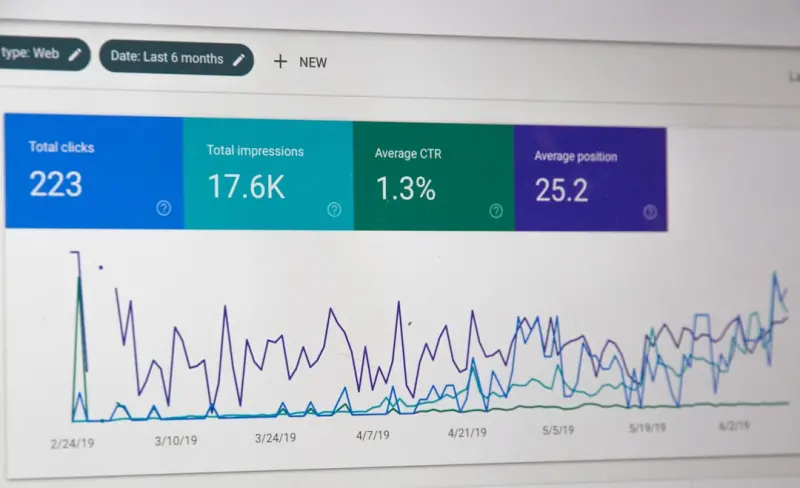
Turning Local Search into a SaaS Sales Funnel: Structured Data, Reviews, and Community Signals
Discover a data‑first, review‑centric, community‑driven approach to local SEO for SaaS, turnin... Read More

Community‑Centric Local SEO: Turning Neighborhood Ties into Search Dominance
Learn fresh tactics that turn neighborhood events, local collaborations, and geo‑tagged content in... Read More
Top Posts

Decoding Google’s Machine‑Learning Algorithm: A SaaS Playbook for the MUM Era
A deep dive into Google’s latest machine‑learning algorithm, showing SaaS teams how to build a multimodal content architecture, avoid spam signals, and futu...Read More
How Progressive Web Apps Turn Your Handheld Presence Into a Search Magnet
Progressive web apps offer SaaS companies a fast, app‑like experience that satisfies Google’s mobile‑first indexing. This guide shows how to implement PWA...Read More

Zero‑Click SEM: How to Capture Value When Users Don’t Click
Zero‑click search results are now the norm, but SEM can still thrive. This guide shows how to use ad extensions, structured data, and predictive audience targ...Read More
Turning SaaS Community Forums into SEO Engines
Discover how to transform your SaaS community forum into a search engine powerhouse by structuring content, leveraging schema, encouraging quality contributions...Read More
0 Comments
Post Comment
You will need to Login or Register to comment on this post!