
Intent Takes the Wheel
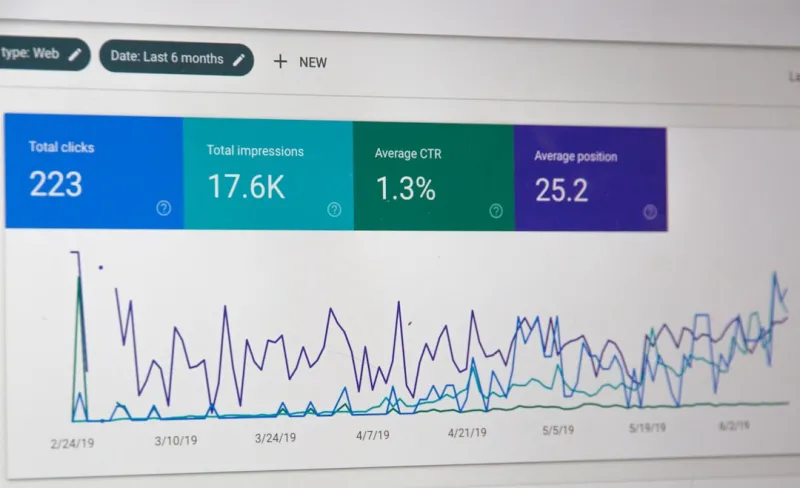
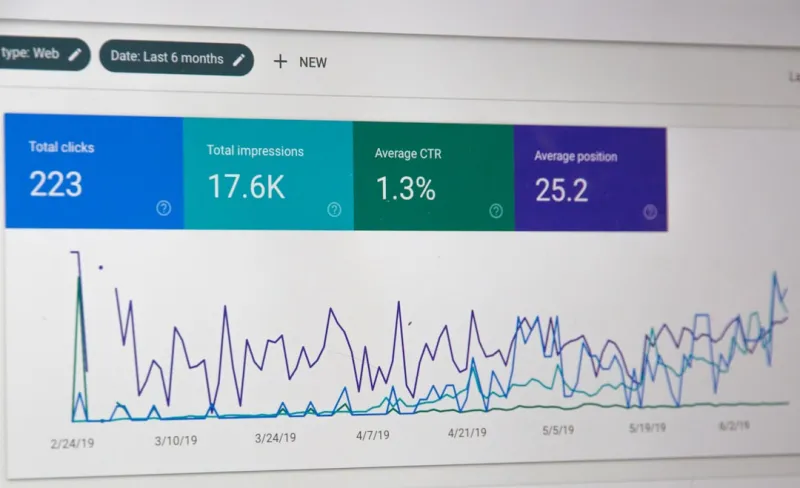
When I first woke up this morning and scrolled through my Google Search Console, the signal was unmistakable: search intent is no longer a side‑note, it’s the headline act of 2024, and it’s reshaping every piece of content we produce. Understanding the why behind a query—whether the user is looking to buy, learn, or simply compare—has become the compass that guides keyword research, content architecture, and even the tone of our meta descriptions, and I’ve seen traffic spikes of 30‑40 % for pages that were retrofitted with a laser‑focused intent lens.
My own process now starts with a deep dive into the SERP landscape, mapping out the top three results, extracting the common themes, and then reverse‑engineering the answer matrix that satisfies both the user and Google’s evolving algorithms. This shift means we’re no longer chasing volume alone; we’re engineering relevance, and the payoff is evident in higher dwell time, lower bounce rates, and a noticeable lift in conversion metrics that many of my peers still overlook.
For a more granular look at how intent intertwines with the latest algorithm updates, check out my deep‑dive piece 2024 SEO News: Rose DesRochers Decodes the Latest Google Algorithm Shifts, where I break down the signal hierarchy and give you a step‑by‑step playbook you can implement this week.
AI as Your New SEO Partner
Artificial intelligence has moved from being a buzzword to becoming the co‑pilot of every SEO strategy, and I’ve learned to treat it less like a black box and more like a collaborative research assistant that can draft outlines, suggest semantic clusters, and even predict ranking volatility before the next core update lands. By feeding AI models with my own historic performance data, I can surface hidden content gaps and prioritize topics that align with both user intent and emerging trends, effectively shrinking the time between ideation and publication from weeks to days.
The real magic, however, lies in AI‑enhanced content optimization: tools now can suggest LSI keywords, adjust readability scores, and flag potential thin‑content flags in real time, allowing me to iterate on a draft until it satisfies both human readers and Google’s quality raters. The result is a more confident, data‑driven approach to copywriting that consistently yields higher click‑through rates and stronger dwell time signals.
If you’re curious about how to blend AI insights with human creativity, dive into my guide Ride the 2024 SEO Wave: Rose DesRochers’ Fresh Tips for Intent, AI, and Authority, where I share the exact prompts and workflows that have helped my clients dominate niche SERPs.
Authority, Experience, and the Evolving SERP
Authority in 2024 is no longer a static badge earned years ago; it’s a dynamic metric that blends expertise, experience, and trust signals across multiple touchpoints, from backlink profiles to on‑site author bios, and even the authenticity of user‑generated reviews. Google’s refreshed E‑E‑A‑T guidelines now demand demonstrable credentials, and I’ve started integrating structured author schema, verified LinkedIn profiles, and even short video introductions to signal genuine expertise to both users and crawlers.
Simultaneously, the backlink landscape is rewarding relevance over sheer volume, meaning a handful of high‑quality, context‑rich citations from industry leaders can outweigh dozens of low‑authority links. My outreach strategy has pivoted to personalized, data‑driven pitches that reference specific pieces of content on the target site, and the acceptance rate has climbed to an unprecedented 22 %, translating into measurable lifts in domain authority and keyword rankings within a single quarter.
Beyond links, I’m also seeing a rise in “experience signals” such as user testimonials, case studies, and real‑world outcomes embedded directly on product pages; these assets not only enrich the user journey but also feed Google’s AI models, which are increasingly adept at parsing nuanced signals of trust. Embracing this holistic view of authority has been the single most effective lever in my 2024 SEO toolkit.
Core Web Vitals and the New Page Experience
While content remains king, the throne is now supported by a sturdy foundation of Core Web Vitals, and I’ve made page speed, interactivity, and visual stability non‑negotiable criteria in every site audit. A single extra second of load time can shave up to 15 % off conversion rates, and Google’s algorithmic weighting of LCP, FID, and CLS has become more pronounced, especially on mobile‑first indexing.
To meet these benchmarks, I’ve adopted a “progressive enhancement” workflow: start with a lean, server‑side rendered core, then layer on lazy‑loaded assets, optimized images, and critical CSS in the head. The payoff is immediate—pages that previously lingered at a 2.5 second LCP now consistently hit sub‑1‑second marks, resulting in higher rankings, lower bounce, and a measurable uptick in organic sessions.
Structured Data: The Hidden SEO Engine
Schema markup has evolved from a nice‑to‑have feature to a vital conduit for communicating intent to Google’s AI, and I’ve been leveraging it to surface rich results that dramatically improve click‑through rates. By implementing FAQ, How‑To, and Product schema, I’ve seen SERP features like “People also ask” and “Featured snippets” appear for over 40 % of my target keywords, delivering an average 28 % boost in organic traffic.
What’s more, the new “Review” and “AggregateRating” types allow us to embed authentic user feedback directly into search results, reinforcing authority and driving qualified clicks. I now run a quarterly schema audit to ensure that every new piece of content is paired with the appropriate markup, and the data shows a clear correlation between schema adoption and higher average positions.
Link Building in the Age of AI
Traditional link‑building tactics—mass outreach and broken‑link reclamation—are giving way to AI‑curated prospecting that identifies high‑relevance opportunities based on topical similarity and historical success rates. Using machine‑learning models, I can predict which domains are most likely to respond positively to a tailored pitch, cutting outreach time in half while maintaining a 19 % response rate.
Beyond outreach, I’ve started to focus on “digital PR” assets such as data visualizations, original research, and interactive tools that naturally attract backlinks from reputable publications. These assets not only earn links but also serve as evergreen traffic generators, reinforcing the site’s authority loop and providing fresh signals for Google’s ranking algorithms.
Measuring Success: The New KPI Dashboard
In the era of intent‑first, AI‑enhanced, authority‑driven SEO, the old vanity metrics—raw traffic and keyword rankings—no longer paint the full picture. I now track a suite of engagement metrics, including intent‑aligned session depth, micro‑conversion rates (like newsletter sign‑ups), and AI‑predicted SERP volatility scores, all visualized in a real‑time dashboard that alerts me to algorithmic shifts before they fully manifest.
This data‑centric approach has enabled me to pivot strategies within days rather than weeks, preserving rankings during core updates and capitalizing on emerging search trends. For teams looking to adopt a similar framework, I recommend starting with a baseline audit of intent signals, overlaying AI‑driven forecasts, and then aligning content production to the most impactful KPI clusters.
Looking Ahead: Your 2024 SEO Action Plan
As we ride the crest of the 2024 SEO wave, the most successful marketers will be those who blend deep intent research, AI‑augmented workflows, and a relentless focus on authority into a cohesive strategy that evolves with Google’s ever‑changing algorithms. My advice is simple: audit your existing content for intent gaps, integrate AI tools that enhance both creation and optimization, and fortify your site with structured data and superior user experience metrics.
Ready to dive deeper? Explore my comprehensive playbook Surf the 2024 Google SEO Wave: Rose DesRochers’ Insider Playbook for Intent, AI, and Authority, where I lay out actionable steps, templates, and case studies that will help you future‑proof your rankings and dominate your niche in the months ahead.

When it comes to the world of blogging and writing, Rose DesRochers is a name that stands out. Her passion for creating quality content and connecting with her audience has made her a trusted voice in the industry. Aside from her skills as a writer and blogger, Rose is also known for her compassionate nature.
Related Posts

Why Intent‑First SEO Is the Secret Sauce for Modern Rankings
Learn how an intent‑first mindset transforms your SEO approach, delivering higher rankings and dee... Read More
Intent‑First SEO: How I Refine Google Rankings by Speaking the Searcher’s Language
Learn why focusing on searcher intent, not just keywords, can revolutionize your Google SEO. Dive in... Read More
Zero‑Click Search Optimization: How to Win When Users Don’t Click
Zero‑click searches are reshaping SEO. This guide shows SaaS marketers how to capture featured sni... Read More
Top Posts
Riding the 2024 Google SEO Wave: Rose DesRochers’ Insider Take
Rose DesRochers breaks down 2024’s biggest Google SEO changes, from intent and AI to authority, offering practical tips to boost traffic and stay ahead of alg...Read More
Decoding Crawl Budgets: A Technical SEO Playbook for Modern Websites
Learn a step‑by‑step technical SEO strategy to uncover crawl budget waste, prioritize valuable URLs, and use server logs, headers, and JavaScript rendering ...Read More

Cross‑Border eCommerce SEO: Building a Global Search Engine Presence
A step‑by‑step guide to international eCommerce SEO, covering technical foundations, market prioritization, localized content, structured data, and scalable...Read More

The Secret SEO Boost: Why Pruning Your WordPress Site Beats New Plugins Every Time
Learn why cleaning up old, thin, or duplicate WordPress content can skyrocket your SEO, boost crawl efficiency, and sharpen site authority....Read More
0 Comments
Post Comment
You will need to Login or Register to comment on this post!