
Why Intent‑First SEO Has Become My North Star
When I first stepped into the chaotic world of Google SEO, I chased rankings with the same zeal I once reserved for perfecting my coffee foam—keywords, backlinks, and meta tags were my daily grind. Over time, the algorithmic tides shifted, and the once‑reliable keyword‑centric playbook began to feel like trying to navigate a ship with a broken compass, leaving me frustrated and hungry for a more reliable direction. That hunger led me to discover Intent‑First SEO: The Modern Marketer’s Blueprint for Ranking Success, a framework that turned my scattered efforts into a purpose‑driven strategy, and I’ve never looked back.
From Keyword Obsession to Understanding Searcher Intent
In the early days, I treated each keyword like a treasure map, believing that stuffing it into titles, headers, and alt tags would magically catapult my pages to the top of SERPs, but Google’s evolving language model taught me that intent is the true north that guides user satisfaction and, consequently, rankings. By asking “What problem is the user trying to solve?” instead of “What exact phrase am I targeting?” I began to craft content that speaks directly to the audience’s pain points, desires, and curiosity, resulting in higher dwell time and lower bounce rates—signals that Google now rewards more heavily than raw keyword density. This shift felt like moving from a noisy shouting match to a nuanced conversation, where each piece of content is a carefully tuned response to the questions people are already asking.
How I Conduct an Intent Audit (And Why It Matters)
The first step in my intent‑first workflow is a systematic audit that matches every target query to one of the four classic intent categories: informational, navigational, transactional, or commercial investigation; I start by exporting my keyword list into a spreadsheet, then I annotate each entry with the user’s likely goal, using Google’s “People also ask” box and the “Searches related to” section as my compass. Once the intent tags are in place, I cross‑reference them with existing pages, flagging any mismatches where a page designed for transactional intent is inadvertently serving an informational query—a mismatch that can dilute relevance and hurt rankings. For deeper insights, I dive into the SERP features that appear for each query—featured snippets, “People also ask,” and “Top stories”—to see how Google is currently satisfying that intent, and then I reshape my content to either compete for those features or complement them with richer, more comprehensive answers.
Practical Steps to Align Content with User Intent
After the audit, the real work begins: I restructure page outlines around the primary intent, ensuring that headings, subheadings, and body copy flow logically toward the user’s goal. For informational intent, I prioritize thorough explanations, step‑by‑step guides, and visual aids; for transactional intent, I foreground product benefits, clear calls‑to‑action, and trust signals such as reviews and guarantees. Below is a quick checklist I use for every piece of content:
- Headline clarity: Does the title promise a direct answer to the query?
- First‑paragraph promise: Is the user’s question answered within the first 100 words?
- Content depth: Have I covered related sub‑questions that often appear in “People also ask”?
- CTA alignment: Does the call‑to‑action match the underlying intent (e.g., “Learn more” for informational, “Buy now” for transactional)?
By adhering to this checklist, I ensure that each page serves a single, crystal‑clear purpose, which not only satisfies users but also sends unmistakable relevance signals to Google’s ranking algorithms.
A Real‑World Success Story: Turning Queries into Conversions
Last quarter, I faced a stubborn landing page that was receiving decent traffic but dismal conversion rates, despite being optimized for a high‑volume keyword; after revisiting the intent analysis, I realized the query was actually commercial investigation—not a pure transactional cue—so I pivoted the page to include detailed product comparisons, buyer guides, and a concise FAQ that addressed common objections. The result? Within three weeks, the page’s bounce rate dropped by 27 % and its conversion rate climbed by 43 %, a transformation I documented in Intent‑First SEO: How I Turned Search Queries into Real Results, proving that a nuanced understanding of intent can turn a lukewarm traffic source into a revenue‑generating engine.
Metrics That Reveal Intent Success
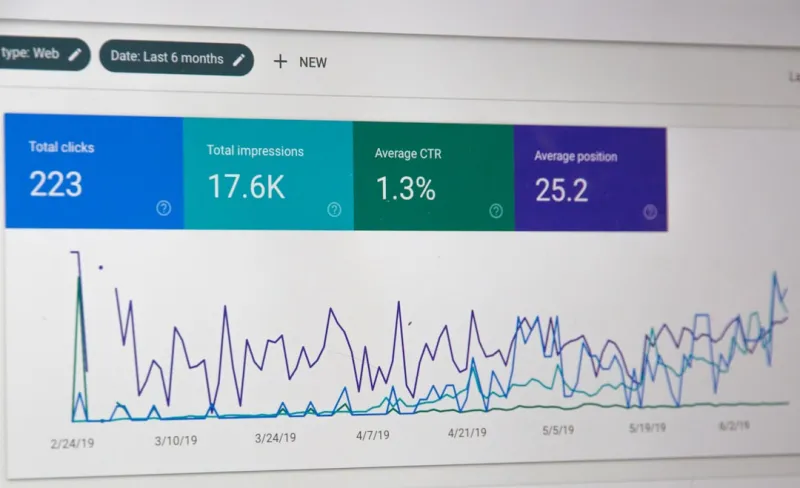
Traditional SEO metrics like organic traffic and keyword rankings still matter, but when you adopt an intent‑first mindset, you need to layer on additional signals that reflect user satisfaction and journey progression; key performance indicators I monitor include average session duration, pages per session, and the ratio of “searches leading to a conversion” versus “searches ending in a bounce.” Moreover, I leverage Google Search Console’s “Queries” report to spot shifts in click‑through rates (CTR) after intent‑focused updates—an upward CTR trend often signals that the new content better matches the searcher’s expectations. By regularly reviewing these metrics, I can quickly iterate, fine‑tune the alignment between content and intent, and stay ahead of algorithmic changes that increasingly prioritize human‑like understanding of queries.
The Future of Intent‑First SEO (And Why It Excites Me)
As large language models continue to dominate search result generation, the line between user query and answer is blurring, making intent the single most valuable asset for any marketer willing to stay relevant; I anticipate a future where Google’s AI not only surfaces the best answer but also personalizes it based on inferred user intent, meaning that content creators who embed deep intent signals will enjoy a competitive moat that AI can’t easily replicate. This evolution encourages us to think beyond static pages and toward interactive experiences—think chat‑based guides, dynamic FAQs, and AI‑driven recommendation engines—all of which start with a solid foundation of intent mapping. Embracing this forward‑looking approach feels like joining a pioneering expedition where each insight into user purpose unlocks a new horizon of organic visibility.
Common Pitfalls and How to Sidestep Them
Even seasoned SEOs stumble when they try to chase every keyword without regard for the underlying intent, resulting in content farms that dilute brand authority and frustrate readers; another frequent error is over‑optimizing for a single intent, ignoring the natural blend of informational and transactional cues that many queries contain, which can cause missed opportunities for cross‑selling or deeper engagement. To avoid these traps, I recommend a quarterly “intent health check” where you audit top‑performing pages, verify that their primary intent still aligns with evolving search behavior, and add complementary sections that address secondary intents, ensuring that each page remains a holistic answer hub rather than a narrow silo.
Take the Intent‑First Leap Today
If you’re ready to transform your SEO strategy from a keyword‑chasing exercise into a purpose‑driven engine that delights users and pleases Google, start by mapping the intent behind your top 20 queries and rewriting one piece of content to fully satisfy that intent; the results will speak for themselves, and you’ll join a growing community of marketers who understand that relevance isn’t just about matching words—it’s about meeting needs at the exact moment they arise. For deeper guidance, explore Mastering Intent‑First SEO: Actionable Tips for Modern Marketers and begin your journey toward sustainable, intent‑powered rankings.

When it comes to the world of blogging and writing, Rose DesRochers is a name that stands out. Her passion for creating quality content and connecting with her audience has made her a trusted voice in the industry. Aside from her skills as a writer and blogger, Rose is also known for her compassionate nature.
Related Posts

Why Intent‑First SEO Is the Secret Sauce for Modern Rankings
Explore why Intent‑First SEO is reshaping rankings, learn practical steps to align content with us... Read More

Zero‑Click SEO: How SaaS Brands Can Own the SERP Conversation
Zero‑click SERP features are reshaping SaaS SEO. This guide shows how to audit, create snippet‑r... Read More

Turning SaaS Documentation into a Search Engine Magnet
Your SaaS help center holds untapped SEO potential. This guide shows how to audit keywords, apply on... Read More
Top Posts

How Customer Reviews Can Supercharge Your eCommerce SEO
Learn how to transform shopper feedback into a powerful SEO engine—boost rankings, increase click‑through rates, and drive sales with strategic review colle...Read More
Reinventing SEM: Intent, Data, and Agile Strategies for Modern Paid Search
Explore a new SEM playbook that leverages intent, first‑party data, and flexible budgeting to turn clicks into lasting revenue....Read More

Beyond Text: How SaaS Companies Can Win With Visual and AI-Powered Google Search
In this post, I explore why visual and AI-driven search is reshaping the SERP landscape for SaaS, offering a step‑by‑step guide to image optimization, schem...Read More

SEO Tips from Rose DesRochers: Riding the Wave of Intent, AI, and Authority
Rose DesRochers shares her 2024 SEO playbook, focusing on user intent, AI integration, and authority signals to dominate SERPs and drive real results....Read More
0 Comments
Post Comment
You will need to Login or Register to comment on this post!