

Opening the 2024 SEO Landscape
When I first stepped into the Google Search console this spring, the data whispered a familiar yet unsettling truth: the algorithm is no longer a static set of rules, it’s a living, breathing ecosystem that rewards contextual relevance above sheer keyword density. Over the past twelve months I’ve watched site owners scramble to retrofit old tactics while the search giant quietly rolled out nuanced signals that understand user intent the way a human editor would, and the result is a seismic shift in how we approach rankings, content strategy, and even site architecture. In this post I’ll unpack the most consequential changes, share the tactics that have survived the rollercoaster, and point you toward the resources that helped me stay ahead, including the Google SEO Trends 2024: Rose DesRochers’ Insider Take on the New Ranking Playbook.
Why Contextual Ranking is the New King
Google’s move toward contextual ranking means the search engine now evaluates a page not just by isolated keywords but by the entire thematic fabric that surrounds them, a process that mirrors how humans read an article from start to finish. This shift forces us to think beyond “keyword stuffing” and instead ask how each piece of content contributes to a broader narrative that satisfies the user’s underlying question, a practice I detail in Rose DesRochers’ 2024 SEO Playbook: From Contextual Ranking to AI‑Assisted Content. By aligning headings, subheadings, and internal links with a clear semantic hierarchy, you signal to Google that your page is a trusted authority on the topic, dramatically improving your chances of earning the coveted featured snippet.
AI‑Assisted Content: Friend or Foe?
The rise of generative AI has been a double‑edged sword for the SEO community: on one hand, it democratizes content creation, allowing small teams to produce large volumes of high‑quality copy; on the other hand, it floods the SERPs with near‑duplicate material that can dilute topical authority if not managed carefully. My experience shows that the smartest use of AI is not to replace human insight but to augment it—using AI to draft outlines, perform rapid keyword clustering, and generate meta descriptions, while reserving the final editorial voice for a seasoned writer who can weave brand personality into the narrative. When you combine AI efficiency with a rigorous human review process, you not only meet Google’s new emphasis on E‑E‑A‑T (Experience, Expertise, Authoritativeness, Trust) but also stay ahead of the content saturation curve.
Core Web Vitals and User Experience
Core Web Vitals have moved from a “nice‑to‑have” metric in 2022 to a decisive ranking factor that now interacts directly with content relevance, meaning a fast, responsive page can amplify the impact of otherwise stellar copy. I’ve observed that sites which invest in server‑side rendering, image compression, and lazy‑loading see a measurable lift in both dwell time and conversion rates, reinforcing Google’s message that user experience is inseparable from relevance. The key is to treat performance as a continuous sprint: set a baseline LCP (Largest Contentful Paint) under 2.5 seconds, aim for a CLS (Cumulative Layout Shift) below 0.1, and monitor FID (First Input Delay) to stay under 100 ms, then iterate with real‑user data to close any gaps before they affect rankings.
Link Building in an AI‑Dominated World
Traditional link‑building tactics—guest posts, broken‑link outreach, and resource page placements—remain valuable, but the AI era demands a higher degree of relevance and authenticity to survive Google’s increasingly sophisticated spam filters. Instead of chasing volume, I recommend focusing on “topic clusters” where each inbound link reinforces a specific sub‑theme, creating a network of semantic signals that Google can easily parse. When you secure a link from a site that already ranks for related concepts, you effectively boost your own contextual authority, a strategy that aligns perfectly with the new ranking playbook highlighted in the SEO News Roundup. Remember to audit your backlink profile quarterly, disavow low‑quality links, and prioritize natural, editorially earned mentions over paid placements.
Social Signals and the Role of Agencies
While Google officially downplays direct social signals as a ranking factor, the indirect benefits of a strong social presence—brand awareness, referral traffic, and enhanced content distribution—cannot be ignored in a competitive 2024 landscape. Partnering with a digital marketing agency can amplify these effects by crafting shareable assets, optimizing posting schedules, and leveraging paid amplification to reach niche audiences that align with your buyer personas. I’ve seen clients double their organic click‑through rates simply by repurposing blog excerpts into compelling LinkedIn carousel posts that drive curiosity back to the original article. The synergy between SEO and social media is a subtle yet powerful lever, especially when you align messaging across channels and track the impact with UTM parameters and Google Analytics.
Practical Checklist for Immediate Wins
- Audit existing content for topical gaps and rewrite to incorporate semantic clusters.
- Implement schema markup for FAQs, How‑To, and Review snippets to increase SERP real estate.
- Compress all above‑the‑fold images and enable browser caching to improve Core Web Vitals.
- Leverage AI tools for rapid keyword research, but validate each term with search intent analysis.
- Reach out to authoritative sites within your niche for contextual backlinks, focusing on relevance over quantity.
- Schedule weekly social posts that tease blog insights, using compelling visuals to boost referral traffic.
Actionable Tools and Resources
To stay ahead of the curve, I rely on a curated toolbox that blends data‑driven platforms with creative brainstorming aids. For performance monitoring, PageSpeed Insights paired with Web Vitals Chrome Extension offers real‑time feedback on LCP, CLS, and FID, while Screaming Frog helps map internal linking structures for contextual optimization. On the content side, I trust market‑leading AI assistants for outline generation but always run the output through Hemingway and Grammarly to preserve readability and brand voice. Finally, for backlink discovery, Ahrefs’ Site Explorer combined with Google Alerts uncovers natural link opportunities you might otherwise miss, turning outreach into a systematic, repeatable process.
Looking Ahead: The 2025 Forecast
Looking forward, I anticipate Google will double down on multimodal search, integrating visual, audio, and textual signals into a unified relevance model that blurs the line between traditional SEO and broader digital experience design. Early experiments with AI‑generated image search suggest that future SERPs will surface not just text snippets but rich media clusters that answer user intent holistically, meaning the content creator who embraces video, podcasts, and interactive graphics will have a decisive edge. In preparation, start building content ecosystems that interlink articles, videos, and podcasts around core topics, and keep a close eye on Google’s announcements about “Search Generative Experience” to ensure your strategy evolves in lockstep with the next wave of search intelligence.

When it comes to the world of blogging and writing, Rose DesRochers is a name that stands out. Her passion for creating quality content and connecting with her audience has made her a trusted voice in the industry. Aside from her skills as a writer and blogger, Rose is also known for her compassionate nature.
Related Posts
Cracking the Zero‑Click Code: Own Google’s Answer Boxes
Zero‑click searches are reshaping organic traffic. This guide shows SaaS marketers how to optimize... Read More

Crawl Budget Mastery: How Fast‑Growing SaaS Brands Stay Visible
A deep dive into crawl budget strategies for SaaS, showing practical steps to keep search engines fo... Read More
Building a Multi‑Language SEO Framework for Google
Discover a practical roadmap to boost your website’s visibility across languages—covering hrefla... Read More
Top Posts

Micro‑Influencers: The Scalable Trust Engine Every eCommerce Brand Needs
Micro‑influencers combine high engagement with low cost, offering eCommerce brands a powerful, trust‑based growth engine. Learn a data‑first framework, at...Read More

On-Page SEO Blueprint: Building SaaS Pages That Rank and Convert
A practical guide to on‑page SEO for SaaS, covering semantic HTML, content scaffolding, internal linking, schema, personalization, and freshness to boost rank...Read More
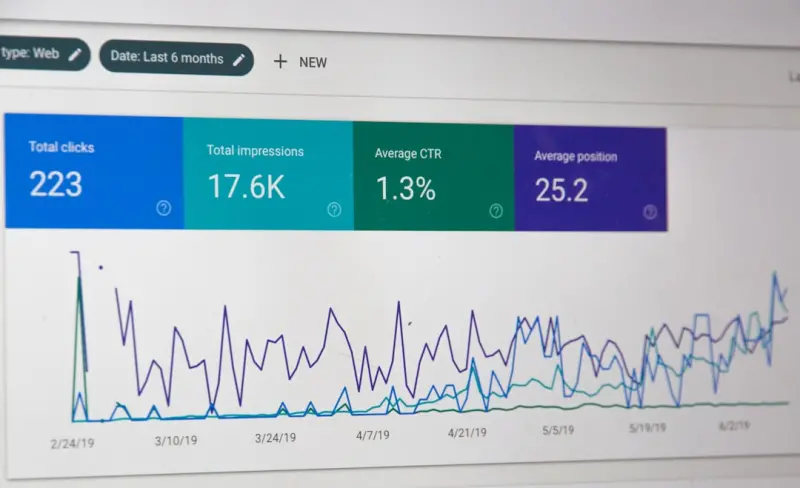
Core Web Vitals: The Untapped SEO Lever for WordPress Sites
Learn why Core Web Vitals are now a critical ranking factor for WordPress sites and get a step‑by‑step guide to improve LCP, FID, and CLS without sacrificin...Read More

Google SEO in 2024: Rose DesRochers’ Insider Playbook for Dominating the SERPs
Rose DesRochers reveals the 2024 SEO playbook, blending AI, contextual ranking, and performance tactics to help you dominate Google’s SERPs. A must‑read for...Read More
0 Comments
Post Comment
You will need to Login or Register to comment on this post!