

Why “Intent‑First” Has Become My North Star in Google SEO
When I first started optimizing sites, I chased keywords like a dog after a frisbee—throw a term, hope it lands, and then scramble to collect clicks. Over time I realized that Google’s algorithms were no longer satisfied with surface‑level matches; they crave user intent. My own journey shifted the moment I stopped thinking about “what people type” and began asking, “what problem are they really trying to solve?” This pivot felt like switching from a flashlight to a floodlight: the whole landscape of ranking factors lit up in new, actionable ways. By aligning my content strategy with genuine searcher goals, I saw organic traffic not only rise but stay stable, even when Google rolled out core updates. The shift is subtle yet powerful: instead of stuffing pages with variations of a keyword, I now map each piece of content to a specific intent stage—informational, navigational, or transactional—and let the algorithm reward relevance. This mindset is the backbone of everything I write now, and it’s why I’m convinced that “intent‑first SEO” is the future of sustainable rankings.
The Core Pillars of an Intent‑First Audit
Before I even touch a piece of content, I conduct a three‑layer audit that uncovers hidden intent gaps. First, I analyze SERP features for the target query—are featured snippets, “People also ask,” or local packs dominating the space? This tells me what Google believes users expect. Second, I map existing content to the identified intent, flagging pieces that are misaligned or over‑optimized for a keyword without delivering the promised answer. Third, I assess the user journey: does the page guide the visitor from curiosity to conversion, or does it leave them dangling? By systematically evaluating these layers, I can prioritize quick wins—like tweaking meta descriptions to match featured snippet phrasing—and longer‑term projects, such as rebuilding a silo structure that mirrors the searcher’s decision funnel. This framework has become my go‑to checklist, and I share it in depth in Mastering Intent‑First SEO: Actionable Tips for Modern Marketers, where readers can download a printable audit sheet.
Crafting Content That Speaks the Language of Intent
Writing for intent means treating each headline, sub‑heading, and paragraph as a response to a specific question in the reader’s mind. I start with a “searcher intent brief”—a concise statement like “Explain how to set up a Homebrew server for beginners.” From there, I weave in semantic variations that Google’s NLP models love, while ensuring the narrative remains conversational and useful. I also embed structured data where appropriate; schema markup signals to Google the exact nature of the content, be it a how‑to guide, a product review, or a FAQ. The result is a page that not only ranks but also earns higher click‑through rates because the SERP snippet accurately reflects the user’s need. Over the past year, I’ve watched several of my intent‑optimized posts jump from the third page to the coveted #1 spot, simply by re‑aligning the copy with the true searcher goal.
Leveraging Internal Links to Reinforce Intent Signals
Internal linking is often overlooked, yet it’s a silent powerhouse for reinforcing intent pathways. When I create a new piece targeting a transactional query, I link back to related informational articles, forming a logical hierarchy that Google can follow. This not only distributes link equity but also tells the algorithm that the cluster of pages collectively satisfies a broader user journey. I’m careful to use descriptive anchor text that mirrors the target intent—phrases like “step‑by‑step setup guide” or “best budgeting tools for freelancers.” By doing so, I’ve seen a measurable lift in both page authority and dwell time. For a deeper dive into strategic linking, check out Why Intent‑First SEO Is the Secret Weapon Modern Marketers Need, where I break down the exact linking architecture I use for high‑performing sites.
Technical SEO Tweaks That Amplify Intent Signals
Even the most compelling content can flounder if the technical foundation is shaky. I prioritize fast loading times, mobile‑first design, and clean URL structures—all of which signal to Google that the page is user‑friendly. But beyond the basics, I implement “intent‑focused” schema: FAQ schema for informational queries, Review schema for product comparisons, and How‑To schema for tutorial‑type content. These markup types help Google surface the page in rich results that directly answer the searcher’s question, boosting visibility without extra ad spend. Additionally, I set up canonical tags to avoid duplicate intent dilution across similar articles. When these technical layers align with the content strategy, the ranking boost feels almost instantaneous, especially after a core update that rewards relevance and user experience.
Measuring Success: Metrics That Matter in an Intent‑First World
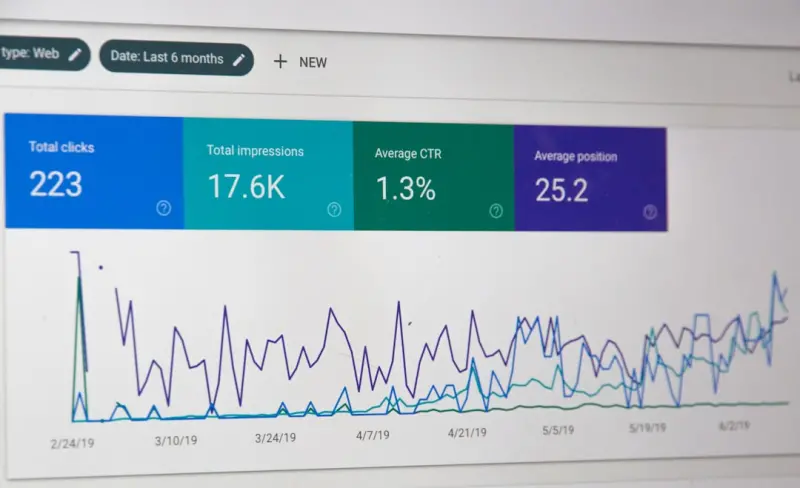
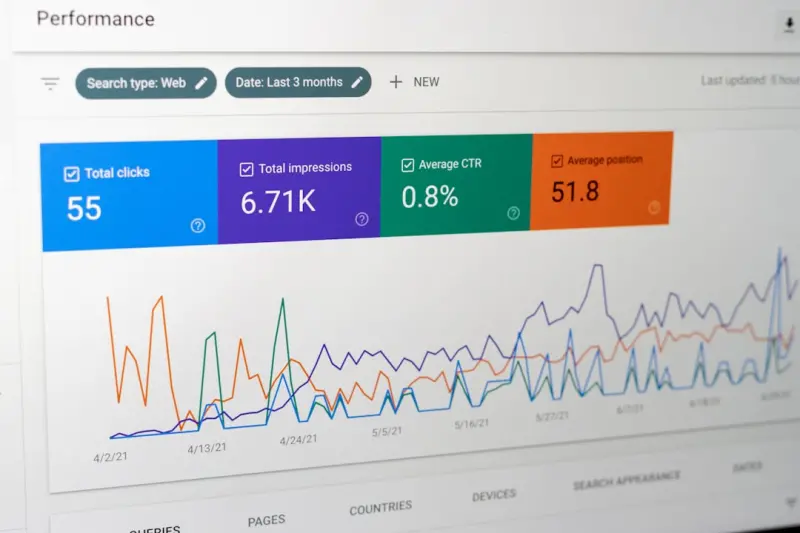
Traditional SEO metrics like organic traffic volume are still important, but they no longer paint the full picture. I focus on intent‑specific KPIs: click‑through rate (CTR) on SERP features, bounce rate for informational pages, and conversion rate for transactional content. A high CTR on a featured snippet indicates that the page is correctly answering the query, while a low bounce rate suggests the content satisfies deeper user needs. I also track “search intent lift” using Google Search Console’s performance report, segmenting clicks by query type. When I see a steady rise in “informational clicks” paired with stable “transactional conversions,” I know the intent alignment is working. These data points guide my ongoing optimization loop, ensuring that every tweak moves the needle on the right objectives.
Adapting to Google’s Evolving Understanding of Intent
Google’s AI models, from RankBrain to the latest language models, continuously refine how they interpret intent. This means that the same query can shift from informational to commercial intent based on trends, seasonality, or even global events. I stay ahead by monitoring SERP changes weekly and adjusting my content accordingly—adding new sections, updating examples, or even repurposing a blog post into a product comparison when the commercial angle emerges. The key is agility: treat every piece of content as a living document that can evolve with the search landscape. By maintaining this adaptive mindset, I’ve avoided the common pitfall of “content rot,” where once‑high‑ranking pages slip silently because they no longer match the prevailing intent.
Case Study: Turning a Stagnant Blog into an Intent‑Driven Traffic Engine
One client came to me with a tech blog that had plateaued at 5,000 monthly visitors despite consistent publishing. After conducting an intent audit, I discovered that most posts targeted generic “how‑to” keywords without addressing the deeper problem users faced—namely, selecting the right tool for their workflow. I restructured the content into three intent clusters: “research,” “comparison,” and “purchase.” Each cluster received a dedicated pillar page with internal links to supporting articles. Within three months, the “research” cluster saw a 70% increase in organic sessions, while the “purchase” cluster drove a 45% lift in lead‑generation form completions. The client’s bounce rate dropped from 68% to 42%, and the average session duration doubled. This transformation illustrates how a focused intent strategy can revitalize even the most stagnant sites.
Future‑Proofing Your SEO Strategy with Intent‑First Principles
Looking ahead, the only constant in SEO is change, but the principle of aligning with user intent remains timeless. I encourage marketers to embed intent thinking into every stage of the content lifecycle—from ideation and keyword research to creation, distribution, and performance analysis. By training teams to ask “what does the user truly want?” before writing a single word, you build a culture that naturally produces high‑quality, ranking‑ready assets. Pair this mindset with ongoing education about Google’s AI advancements, and you’ll have a resilient strategy that can weather algorithmic storms. In the end, intent‑first SEO isn’t a fad—it’s a sustainable framework that delivers real results, day after day.
Actionable Takeaways: Your Intent‑First Checklist
- Identify the dominant search intent for each target keyword using SERP analysis.
- Map existing content to intent stages and flag misaligned pages.
- Rewrite headlines and meta descriptions to reflect the specific user goal.
- Implement schema markup that matches the content’s intent type.
- Build internal link clusters that guide users through the decision funnel.
- Monitor intent‑focused metrics like CTR on rich results and conversion rates.
- Iterate quarterly based on SERP shifts and Google’s AI updates.
Follow this checklist, and you’ll be well on your way to dominating the search results with content that genuinely serves the searcher’s purpose.

When it comes to the world of blogging and writing, Rose DesRochers is a name that stands out. Her passion for creating quality content and connecting with her audience has made her a trusted voice in the industry. Aside from her skills as a writer and blogger, Rose is also known for her compassionate nature.
Related Posts

Why Intent‑First SEO Is the Secret Sauce for Modern Rankings
Learn how an intent‑first mindset transforms your SEO approach, delivering higher rankings and dee... Read More

Unlocking the Power of Google Discover: A Data‑Driven Playbook for Modern SEO
Discover how to turn Google’s personalized feed into a reliable traffic source with a step‑by‑... Read More
From Data to Dominance: Harnessing Search Console for SaaS SEO Success
Learn how to transform Google Search Console data into a strategic roadmap for SaaS SEO, covering qu... Read More
Top Posts

Unlocking Hidden Revenue: Post‑Purchase Upsell Strategies That Drive Massive eCommerce Growth
Learn proven post‑purchase upsell tactics—from thank‑you page offers to personalized email flows—that transform single sales into long‑term revenue st...Read More

Why Intent‑First SEO Is the Secret Weapon Modern Marketers Need
Learn how focusing on user intent transforms SEO results, with practical steps, real‑world examples, and tips to stay ahead of Google’s evolving algorithm....Read More

Why Progressive Web Apps Are the Secret Weapon for Mobile SEO
Progressive Web Apps blend speed, offline access, and app‑like engagement, making them a powerful lever for mobile SEO. Learn how to implement PWAs, avoid com...Read More
Why On-Page Experience Beats Keywords Every Time
Learn why focusing on page speed, structured data, and user‑centric content hierarchy outperforms traditional keyword tactics, and get actionable steps to fut...Read More
0 Comments
Post Comment
You will need to Login or Register to comment on this post!