

Why Intent‑First SEO Is Dominating the Headlines
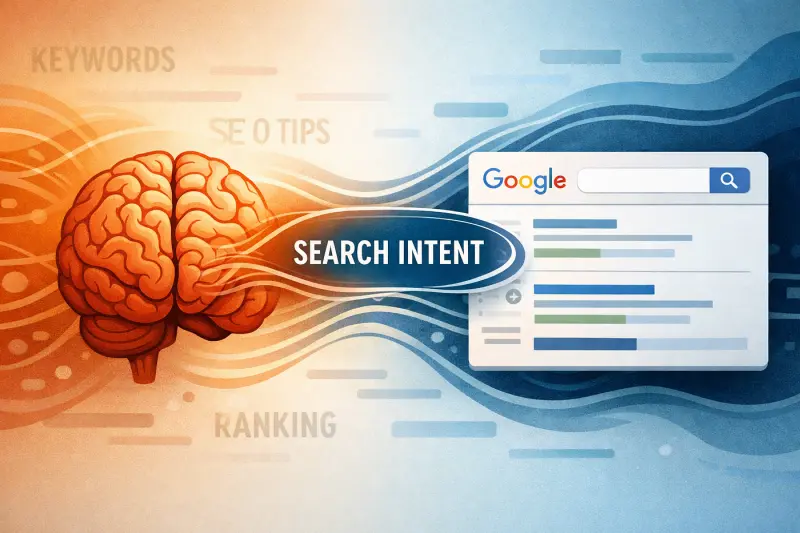
When I first noticed the buzz around intent‑first strategies, I felt a familiar thrill that only the most seismic shifts in our industry can provoke. Search engines have moved beyond simple keyword matching, rewarding sites that anticipate the nuanced questions behind every query, and the ripple effect is evident across rankings, click‑through rates, and brand authority. If you’ve been following the conversation, you’ll recognize the pulse in articles like Riding the Intent‑First Wave: Why It’s the Hottest Topic in SEO News, which captures the excitement and urgency driving marketers to rethink their playbooks.
The New Standard for Google Rankings
Google’s algorithms now treat user intent as a primary signal, meaning that the traditional “keyword‑stuffed” approach is not just outdated—it’s actively penalized. By aligning content with the specific goals a searcher has—whether they’re looking to learn, buy, or compare—you signal relevance, and the search engine rewards that relevance with higher placement. This shift is detailed in the deep dive Why Intent‑First SEO Is the New Standard for Google Rankings, where the correlation between intent alignment and SERP dominance is laid out in clear, data‑driven terms. Embracing this reality isn’t optional; it’s the new baseline for any brand that wants to stay visible in a crowded digital marketplace.
Practical Shifts Marketers Are Making Right Now
Adapting to intent‑first thinking starts with a thorough audit of existing content, asking tough questions about the underlying purpose of each page. Are you answering the “how‑to” behind a query, or merely sprinkling a keyword on a thin page? From there, the next step is to restructure site architecture so that pillar content directly supports the user journey, linking to in‑depth articles that satisfy deeper layers of intent. This approach not only boosts relevance but also improves internal link equity, allowing search engines to crawl more efficiently. In practice, teams are mapping out intent clusters, creating comprehensive guides, and then slicing those guides into bite‑sized, intent‑specific pieces that together form a cohesive, user‑centric ecosystem.
Unlocking Fresh Tips for Dominating Search
One of the most effective ways to harness intent is by leveraging structured data and rich snippets, which give search engines explicit signals about the type of content you offer. By tagging FAQs, how‑to steps, and product details, you increase the chance of appearing in featured positions that directly answer user questions. This tactic is highlighted in Unlocking the Power of Intent‑First SEO: Fresh Tips for Dominating Search, where the author walks through real‑world implementations that have yielded measurable traffic lifts. Combine this with a disciplined approach to on‑page semantics—using LSI terms, natural language, and answering “people also ask” queries—and you create a content layer that feels conversational yet authoritative, exactly what modern crawlers are programmed to reward.
How Content Creation Is Evolving Around Intent
Creative teams are now collaborating with data analysts from day one, using search intent reports to shape headlines, subheads, and even visual assets. The result is content that feels tailor‑made for the user, with every element—text, images, call‑to‑action—aligned to a specific search purpose. This evolution also means that keyword research tools have been superseded by intent research platforms, which categorize queries by informational, navigational, transactional, and commercial investigation intents. By mapping these categories to the buyer’s journey, marketers can craft content milestones that nurture prospects from curiosity to conversion, ensuring each piece serves a strategic role rather than existing in isolation.
Actionable Steps to Future‑Proof Your SEO Strategy
- Conduct an intent audit: Identify the primary purpose behind your top‑performing queries and match them with existing pages.
- Reorganize site architecture: Group content into intent clusters, using pillar pages to anchor each thematic hub.
- Implement schema markup: Add FAQ, How‑To, and Product schemas to give search engines clear intent signals.
- Optimize for voice and conversational search: Incorporate natural language phrasing that mirrors how users speak their queries.
- Monitor performance metrics: Track changes in dwell time, bounce rate, and conversion pathways to gauge intent alignment.
These steps, when executed consistently, create a resilient SEO foundation that can weather algorithm updates and shifting user behaviors, positioning your brand as the go‑to resource for any given intent.
The Future Landscape: Intent as the Core of Search
Looking ahead, the trajectory of search is unmistakably intent‑centric, with AI‑driven models that can infer user goals from minimal input. As natural language processing becomes more sophisticated, the line between query and conversation will blur, making it imperative for marketers to think beyond static keywords and focus on dynamic, context‑aware content. This evolution will reward sites that not only answer questions but anticipate follow‑up needs, creating a seamless experience that keeps users within your ecosystem. Brands that embed intent into every layer of their digital strategy will find themselves at the forefront of this transformation, reaping the benefits of higher visibility, deeper engagement, and sustained growth.
Final Thoughts: Ride the Wave or Get Swept Away
In the fast‑moving world of SEO, staying static is equivalent to moving backwards. The intent‑first paradigm is more than a trend; it’s a fundamental shift that reshapes how we approach keywords, content, and user experience. By internalizing the principles outlined above—auditing intent, restructuring content, leveraging schema, and continuously measuring impact—you’ll position your brand to ride the wave with confidence and agility. Remember, the best SEO strategies are those that evolve as quickly as the search engines they serve, and intent‑first is the compass that will guide you toward sustainable, long‑term success.

When it comes to the world of blogging and writing, Rose DesRochers is a name that stands out. Her passion for creating quality content and connecting with her audience has made her a trusted voice in the industry. Aside from her skills as a writer and blogger, Rose is also known for her compassionate nature.
Related Posts

Intent‑First SEO Takes Over: Why It’s the Hottest Topic in Search Today
Intent‑first SEO is the buzzword reshaping rankings and SERP features. Learn how marketers can ada... Read More

The Intent‑First Wave Redefining SEO News
A deep dive into the Intent‑First SEO surge, its impact on rankings, and actionable tactics to ali... Read More
The Intent‑First Wave Is Redefining SEO Strategy
Discover why Intent‑First SEO is the hottest trend, how it changes content creation and link build... Read More
Top Posts

WordPress SEO Hacks: Structured Data, E‑A‑T & Gutenberg
Discover how to supercharge your WordPress SEO using structured data, authority-building author bios, and Gutenberg block strategies that signal relevance to Go...Read More

Beyond Keywords: Crafting Context‑Aware Generative Search for SaaS
Discover a step‑by‑step guide to implementing context‑aware generative search in SaaS products, from data hygiene to integration, metrics, and future‑pr...Read More

Scaling SaaS SEO Across Borders: A Pragmatic Guide to International Growth
This guide walks SaaS marketers through building an international SEO engine—from choosing the right domain structure and mapping local keywords to creating c...Read More

Zero‑Click SEO: How SaaS Brands Capture Traffic Without a Click
Zero‑click search is reshaping SEO for SaaS. This guide shows how to map intent, craft snippet‑ready content, use structured data, and measure success, turn...Read More
0 Comments
Post Comment
You will need to Login or Register to comment on this post!