

Why the SEO World Is Buzzing About Intent‑First
Every morning I open my inbox to a flood of headlines proclaiming that the next big thing in search is Intent‑First SEO, and by noon I’m already hearing the same refrain from podcasts, webinars, and LinkedIn threads. The shift feels less like a passing trend and more like a tectonic realignment of how Google interprets every query, turning the spotlight from keywords alone to the deeper purpose behind each search. As someone who has chased algorithm updates since the early days of PageRank, I can say with confidence that we’re witnessing a paradigm where relevance is measured by the match between user intent and the content’s ability to satisfy that intent, not just by keyword density or backlink count.
Google’s Intent Signals Are Getting Smarter
The search giant’s machine‑learning models have grown sophisticated enough to parse nuance, sarcasm, and even the emotional undertone of a query, meaning that a phrase like “best laptop for graphic design” now triggers a cascade of intent signals that prioritize comprehensive reviews, price comparisons, and visual galleries. This evolution is evident in the SERP’s new “People also ask” and “Related searches” clusters, which act as micro‑maps of user curiosity, guiding traffic toward content that answers the whole question, not just a fragment. When Google can predict the next step a user is likely to take, it rewards sites that anticipate that journey, pushing them higher in the rankings while penalizing those that cling to outdated keyword‑centric tactics.
Marketers Must Flip the Script, and Fast
For many of us entrenched in traditional SEO playbooks, the message is clear: stop obsessing over exact‑match keywords and start engineering content around the “why” behind each search. I recently revisited a classic case study that illustrates this point, and the findings are compelling enough to reshape any strategy. The article Why Intent‑First SEO Is Dominating the Search Landscape breaks down how brands that re‑aligned their editorial calendars to answer intent‑driven questions saw organic traffic double within weeks, simply by reframing headlines, subheadings, and meta descriptions to mirror user purpose.
Re‑Engineering Content With Intent in Mind
When I audited a client’s blog last month, the first thing I did was map each piece to a specific user intent—informational, navigational, transactional, or local—and then rewrote the copy to address that intent head‑on. The process felt less like a rewrite and more like a conversation with the reader, where every paragraph anticipates the next question they might ask. The results were astonishing: bounce rates dropped by 30 % and average time on page climbed by nearly a minute. For readers eager to dive deeper, the guide Unlock the Secret Sauce of Modern SEO offers a step‑by‑step framework to audit, classify, and optimize existing assets for intent‑first success.
Data‑Driven Insight: Measuring Intent Effectively
One of the biggest challenges marketers face is quantifying intent beyond surface‑level metrics. Fortunately, the analytics toolbox now includes intent‑specific dimensions such as query classification, dwell time segmentation, and scroll‑depth heatmaps that reveal how users interact with content designed for their purpose. By cross‑referencing these signals with conversion funnels, we can pinpoint exactly where intent alignment is breaking down—whether it’s an ambiguous heading, a missing FAQ, or a lack of clear calls to action. The key is to treat each data point as a narrative clue, stitching them together into a holistic story of user intent that informs every editorial decision.
Tools and Techniques for the Intent‑First Marketer
From AI‑powered keyword clusters to intent‑mapping dashboards, the modern SEO stack is bursting with resources that make intent analysis more accessible than ever. Platforms that leverage natural language processing can automatically group search terms into intent buckets, allowing you to prioritize content gaps that matter most to your audience. Meanwhile, content‑gap explorers reveal the long‑tail queries that competitors have ignored, giving you the chance to own niche intent spaces before they become mainstream. Incorporating these tools into your workflow not only speeds up research but also ensures that every piece of content is purpose‑driven from inception to publication.
Future‑Proofing With Voice, AI, and Visual Search
As voice assistants and AI‑generated content become household fixtures, the definition of intent will expand to include spoken nuances, image‑based queries, and multimodal interactions. Imagine a user saying, “Find me a cozy café with free Wi‑Fi near my office,” and receiving a curated list of spots with maps, reviews, and even real‑time seat availability. To stay ahead, marketers must begin training their teams to think beyond text—optimizing for schema markup, structured data, and rich media that can satisfy these emerging intent vectors. The sooner we adapt, the more likely we are to retain top‑of‑page visibility as the search ecosystem continues to evolve.
Actionable Steps to Embrace Intent‑First Today
If you’re ready to pivot your strategy, start by conducting an intent audit of your top‑performing pages: identify the primary question each page answers and rewrite the headline to reflect that query directly. Next, enrich your content with semantic entities that reinforce the core intent, using tools like Google’s Knowledge Graph to discover related topics. Finally, monitor intent‑specific metrics—such as query‑to‑conversion ratios and SERP feature appearances—to gauge the impact of your changes and iterate accordingly. By treating intent as the north star of every SEO decision, you’ll not only improve rankings but also deliver the kind of user experience that keeps visitors coming back.
Wrapping Up: The Intent‑First Era Is Here to Stay
In the ever‑shifting world of SEO, the only constant is change, and the current wave of Intent‑First SEO is reshaping the rules of engagement for good. As we continue to decode Google’s intent algorithms, the winners will be those who listen closely to what users truly want and craft content that meets those needs with clarity, depth, and relevance. Stay curious, stay data‑driven, and most importantly, stay focused on the purpose behind every search—because that purpose is the new currency of visibility.

When it comes to the world of blogging and writing, Rose DesRochers is a name that stands out. Her passion for creating quality content and connecting with her audience has made her a trusted voice in the industry. Aside from her skills as a writer and blogger, Rose is also known for her compassionate nature.
Related Posts

Zero‑Click Search: How SaaS Brands Can Win Visibility Without a Click
Zero‑click search is reshaping how SaaS companies get discovered. This article explains why featur... Read More

Micro‑Moment SEO: Capturing Decision‑Stage Searches for SaaS Growth
Discover a step‑by‑step framework for micro‑moment SEO, from intent mining to schema implement... Read More
SEO News 2026: The Intent-First Revolution Redefines Rankings
Rose Decodes the 2026 Intent‑First Revolution, explaining why user intent now drives Google rankin... Read More
Top Posts
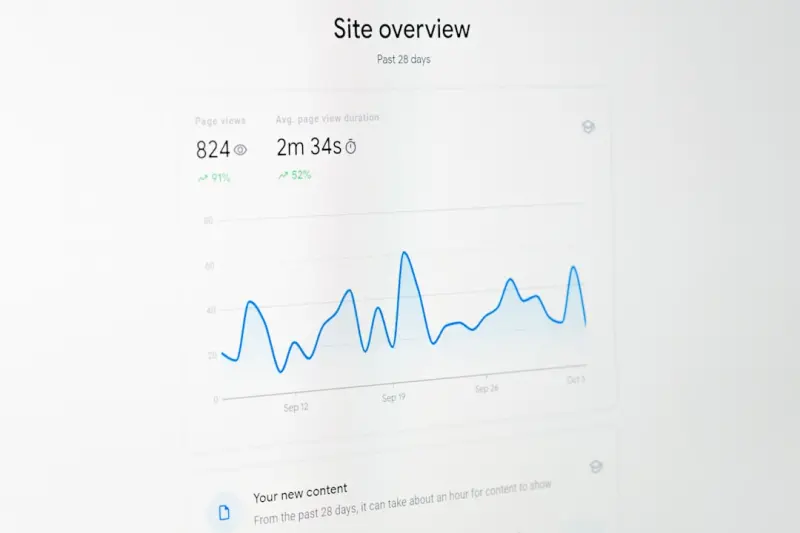
Why On-Page SEO Is the Hidden Engine Driving SaaS Growth
On‑page SEO isn’t just a technical checklist; it’s a conversion‑focused growth engine. Learn how to align content, semantic HTML, internal linking, and ...Read More
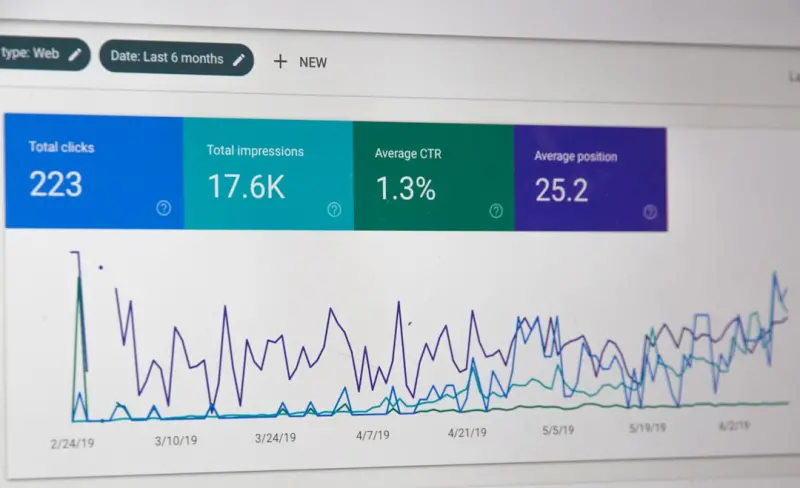
Pixel‑Perfect: Elevating SaaS Rankings Through Strategic Image Optimization
A deep dive into why image optimization matters for SaaS technical SEO, covering audit techniques, next‑gen formats, edge‑based processing, lazy loading, ca...Read More

Short‑Form Video: The New Frontier for SaaS Demand Generation
Short‑form video is reshaping how SaaS marketers reach decision‑makers. Learn a step‑by‑step framework to create, distribute, and measure 15‑second cl...Read More

Why Intent-First SEO is the Future of Google Rankings
Explore why aligning content with search intent is the key to higher Google rankings, better user engagement, and sustainable traffic growth....Read More
0 Comments
Post Comment
You will need to Login or Register to comment on this post!