

Why 2026 feels like the turning point for SEO, and why I’m more excited than ever
When I first dipped my toes into search optimization a decade ago, the rules felt like a static textbook—keyword density, backlinks, and meta tags were the holy trinity. Fast forward to 2026, and the landscape has morphed into a living organism that reacts to user intent with almost uncanny precision, forcing us to rethink every assumption we once held dear. As someone who’s watched Google’s algorithmic heart beat through countless updates, I can tell you that the Intent‑First SEO mindset isn’t just a buzzword; it’s the compass that now guides every successful ranking strategy, and in this post I’ll walk you through the exact tactics that have helped my clients leapfrog competitors while keeping the user experience front‑and‑center.
The core of Intent‑First: matching purpose, not just keywords
At its essence, Intent‑First SEO asks a simple yet profound question: what does the searcher really want to achieve when they type that query, and how can your content satisfy that goal better than anyone else? This shift from surface‑level keyword matching to deep purpose alignment means we must dissect the three classic intent categories—informational, navigational, and transactional—through a modern lens that also accounts for emerging formats like AI‑driven assistants and voice queries. By mapping each piece of content to a specific user journey stage, you create a network of relevance that Google’s intent engine rewards with higher visibility, and you also give real humans the answers they crave without forcing them through a maze of irrelevant links.
Content alignment in practice: from research to execution
To turn intent theory into tangible results, I start with a thorough audit of existing assets, tagging each page with the primary intent it serves and noting any gaps where user needs are left unaddressed; this is where the Intent‑First SEO Tips That Are Redefining Rankings in 2026 guide becomes indispensable, offering a step‑by‑step checklist that bridges audit findings to actionable content briefs. Once the gaps are identified, I craft topic clusters that orbit around a central pillar page, ensuring every supporting article answers a sub‑question that funnels readers back to the core resource, thereby amplifying topical authority in the eyes of the search engine. Finally, I embed clear calls to action that mirror the user’s intent—whether that’s a downloadable guide for informational seekers or a streamlined checkout for transactional visitors—so the content not only ranks but also converts effectively.
Technical foundations that reinforce intent signals
Even the most perfectly aligned content will flounder if the underlying technical framework can’t convey its purpose quickly and accurately, which is why I obsess over schema markup, Core Web Vitals, and server response times as the silent enablers of intent fulfillment. Structured data, especially the “FAQ” and “How‑To” schemas, act as direct communication channels to Google’s intent parser, allowing the search engine to surface your answers in rich snippets without the user ever leaving the SERP. Meanwhile, a fast, mobile‑first experience ensures that the moment a user’s intent is recognized, the page loads swiftly enough to keep them engaged, reducing bounce rates that could otherwise signal a mismatch between intent and content. Together, these technical pillars create a seamless bridge between what the user seeks and what the search engine delivers.
Keyword research reimagined: from phrases to purpose clusters
Traditional keyword research tools still have their place, but in 2026 I treat them as a starting point rather than a finish line, focusing on how groups of related queries reveal a broader user goal that can be addressed with a single, comprehensive piece of content. By clustering keywords around a central intent theme—such as “sustainable home office setup” for an informational query—I can design a pillar page that satisfies multiple search variations while maintaining a clear, purposeful narrative. This approach is precisely why the article Why Intent‑First SEO Is the Secret Weapon for 2026 Rankings highlights the dramatic lift in rankings when intent clusters replace isolated keyword targeting, because Google now rewards holistic relevance over fragmented optimization.
Link building with an intent‑first lens
Backlink acquisition in 2026 is less about the sheer number of domains and more about the contextual relevance of those links to the user intent you’re targeting, which means outreach pitches must be hyper‑personalized to explain how your content fills a specific need for the target audience. I prioritize earning links from sites whose own editorial missions align with the same intent clusters I’m optimizing for, because Google interprets those endorsements as a vote of confidence that the content truly serves its intended purpose. Additionally, internal linking strategies have evolved; I now use intent‑driven anchor text that maps the user’s journey from broader topics to more niche, conversion‑oriented pages, reinforcing the semantic hierarchy that search engines use to evaluate relevance.
Multimedia and AI: new frontiers for intent fulfillment
Video, podcasts, and AI‑generated snippets have become powerful vehicles for answering intent, especially as users increasingly consume information in non‑textual formats; incorporating these assets not only widens your reach but also signals to Google that you’re meeting user expectations across multiple channels. I recommend creating short, purpose‑focused video explainers that answer the top three questions identified in your intent audit, then embedding them alongside concise transcripts to capture both visual and textual signals. For AI‑driven platforms, structuring data so that large language models can pull accurate answers directly from your content is crucial, and the guide Mastering Intent‑First SEO: Fresh Tips for 2026 provides a roadmap for optimizing content that will be echoed by generative search interfaces.
Measuring success: intent metrics over vanity clicks
In the era of Intent‑First SEO, the most meaningful performance indicators have shifted from simple click‑through rates to deeper engagement signals that reflect whether the user’s purpose was satisfied, such as dwell time on page, scroll depth, and task completion rates. I set up custom dashboards that correlate these intent‑centric metrics with traditional rankings, allowing me to see which pieces of content genuinely close the loop on user goals and which merely attract traffic without delivering value. By regularly reviewing these data points, you can iteratively refine your content clusters, technical tweaks, and linking strategies to ensure that every optimization effort contributes to a higher intent fulfillment score, ultimately driving sustainable organic growth.
Looking ahead: why staying intent‑first will keep you ahead of the curve
The future of search is unmistakably intent‑driven, and as voice assistants, augmented reality, and AI companions become mainstream, the granularity with which user purpose is interpreted will only sharpen, demanding that we stay ahead of the curve by continuously aligning content, technical signals, and outreach with real human needs. By adopting the practices outlined in this post—rigorous intent audits, purpose‑centric keyword clusters, technically robust pages, and a nuanced link building approach—you’ll position your brand not just to survive the next algorithmic wave, but to thrive as the authoritative answer for your audience’s evolving questions. Embrace the Intent‑First mindset now, and watch your rankings—and your relevance—soar in 2026 and beyond.

When it comes to the world of blogging and writing, Rose DesRochers is a name that stands out. Her passion for creating quality content and connecting with her audience has made her a trusted voice in the industry. Aside from her skills as a writer and blogger, Rose is also known for her compassionate nature.
Related Posts

Master the Intent-First Playbook: Proven SEO Tips for Today's Search Landscape
Learn how to shift from keyword‑stuffing to an intent‑first approach with practical tips on mapp... Read More

The Power of Structured Data: A SaaS SEO Playbook
Discover a step‑by‑step guide to using structured data for SaaS sites, from product schema to FA... Read More

How to Turn Your Images Into Search Engines' Best Friends
Learn how to optimize file names, alt text, compression, structured data, and internal linking to ma... Read More
Top Posts

Beyond Keywords: Mastering the New Wave of AI-Powered SERP Features
The SERP is evolving from simple links to AI‑generated answers and summaries. Discover how to adapt with structured data, topic clusters, and answerable conte...Read More

Turning Facebook Groups into SEO Powerhouses
Learn the untapped SEO potential of Facebook Groups, from keyword‑rich discussions and member backlinks to live video optimization and data‑driven content p...Read More

The Omnichannel Attribution Blueprint Every SaaS Marketer Needs
A deep dive into building a data‑driven omnichannel attribution model that ties together ads, content, webinars, and sales, giving SaaS marketers the insight ...Read More
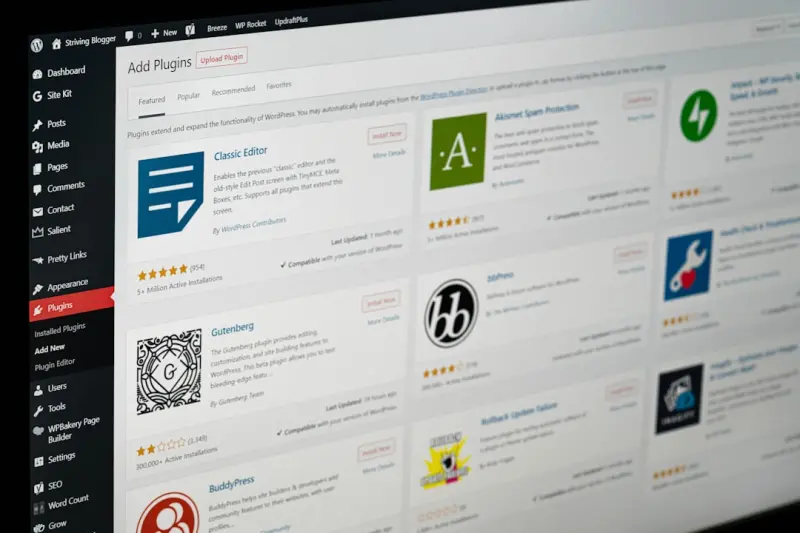
Why Gutenberg Is the Secret Weapon for WordPress SEO Success
Learn how to turn WordPress’s block editor into a powerful SEO engine with semantic hierarchy, native schema blocks, image optimization, and automated interna...Read More
0 Comments
Post Comment
You will need to Login or Register to comment on this post!