

The Paradigm Shift: From Keywords to Real User Intent
When I first started optimizing sites, I chased the perfect keyword density, hoping Google’s algorithm would reward my obsession. Fast‑forward to 2026, and the whole game has flipped; Google now rewards pages that anticipate what the user truly wants rather than merely matching a string of words. This intent‑first mindset forces us to ask deeper questions: Is the searcher looking for a quick answer, a step‑by‑step tutorial, or a product comparison? By framing our strategy around those motives, we create content ecosystems that feel intuitive, leading to longer dwell times, lower bounce rates, and ultimately, higher rankings. The shift is subtle yet powerful, and mastering it is the new frontier for any SEO practitioner who wants to stay ahead of the curve.
Mapping Content to User Purpose
One of my favorite frameworks is the “Intent Funnel,” which layers informational, navigational, and transactional signals into a single, coherent narrative. Imagine a user searching for “best noise‑cancelling headphones 2026.” Instead of stuffing a page with that exact phrase, I craft a hub that starts with a concise buying guide, branches into detailed reviews, and finishes with a comparison chart that lets the reader make an immediate purchase decision. This approach aligns perfectly with the principles outlined in Intent‑First SEO in 2026: How to Align Content with User Purpose, where the emphasis is on guiding the user journey rather than chasing isolated queries. The result is a content architecture that Google can easily parse, rewarding you with featured snippets, rich results, and sustained organic traffic.
Data, however, remains the compass that keeps us on course. In my day‑to‑day workflow, I lean heavily on SERP analysis tools that reveal the semantic entities Google associates with a query. By extracting these entities and weaving them naturally into headings, bullet points, and schema markup, I signal to the crawler that my page covers the full breadth of the topic. It’s not about keyword stuffing; it’s about semantic completeness. When I overlay this data with user‑behavior metrics—such as scroll depth and click‑through patterns—I can pinpoint exactly where the content gaps lie and fill them with high‑value, intent‑driven sections that Google loves to elevate.
Practical Tactics for an Intent‑First Strategy
Now that we’ve covered the theory, let’s get our hands dirty with actionable tactics you can roll out this week. First, audit your existing pages using the “purpose tag” method: label each piece as informational, navigational, or transactional, then assess whether the on‑page elements (titles, meta descriptions, CTAs) match that purpose. Second, enrich your articles with structured data that explicitly declares the intent—FAQ schema for informational content, Product schema for transactional pages, and BreadcrumbList for navigational clarity. Third, build internal linking clusters that mirror the user’s decision pathway, ensuring that each link passes link‑juice toward the most conversion‑ready assets. These steps are distilled from Mastering Intent‑First SEO: Fresh Tips for 2026, a guide I authored to help marketers transition smoothly.
While implementing these tactics, avoid the common pitfall of “over‑optimizing for intent” by ignoring the human voice. Your content should still sound like you, not a robot reciting a checklist. Sprinkle in anecdotes, case studies, and genuine insights that demonstrate expertise and trustworthiness—signals that Google’s E‑E‑A‑T guidelines still reward. For instance, I recently shared a client’s success story where re‑structuring their product pages around buyer intent boosted conversions by 38 % in just three months. Stories like that not only humanize the brand but also create natural link‑worthy moments that attract organic backlinks, reinforcing your site’s authority.
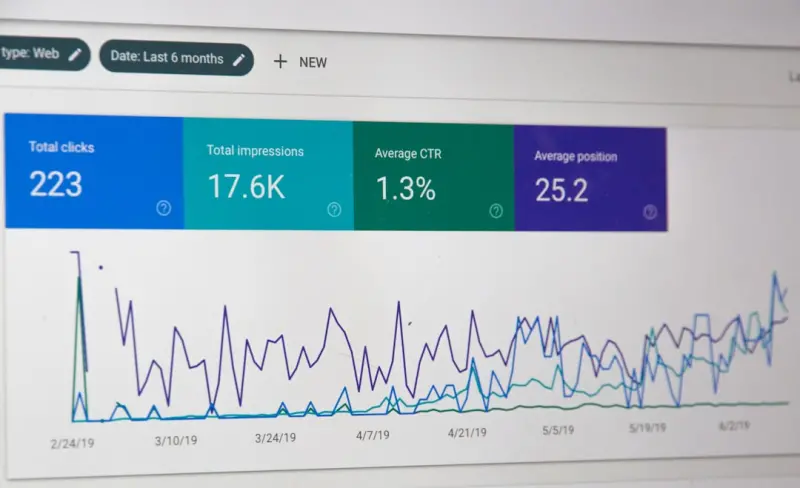
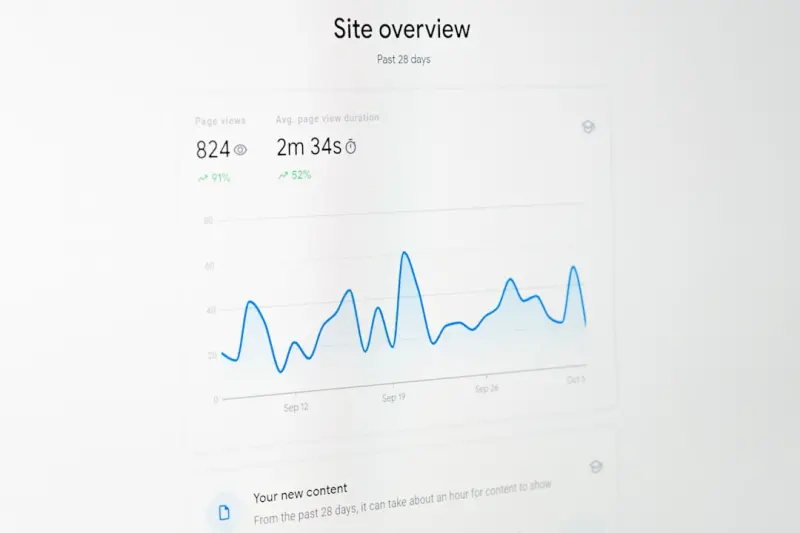
Measuring the impact of an intent‑first overhaul requires a blend of classic SEO KPIs and newer, intent‑centric metrics. Track changes in organic click‑through rates (CTR) for target queries, but also monitor “search intent satisfaction scores” derived from on‑page engagement—time on page, scroll depth, and micro‑conversions such as newsletter sign‑ups. When you notice a spike in these signals, it’s a strong indicator that your audience is finding exactly what they came for, and Google will likely respond with higher rankings. Complement this quantitative analysis with qualitative feedback through surveys or comment sections; the voice of the user remains the most reliable compass in an ever‑evolving algorithmic landscape.
Future‑Proofing Your SEO Playbook
Looking ahead, the intent‑first paradigm will only deepen as AI‑driven search becomes more conversational. Voice assistants and multimodal search experiences will demand content that can answer follow‑up questions and adapt to context on the fly. To stay ahead, start experimenting with “topic clusters” that include short‑form answers, long‑form guides, and interactive tools—all interlinked to serve a single user goal. This strategy not only aligns with Google’s evolving understanding of content relevance but also positions your site as the go‑to authority for any sub‑topic within the larger theme. As I’ve noted in Why Intent‑First SEO Is the Game‑Changer for Google SEO in 2026, embracing this holistic approach now will make future algorithm updates feel like opportunities rather than setbacks.
In summary, the transition to intent‑first SEO isn’t a fleeting trend—it’s a fundamental re‑education of how we think about search. By aligning every piece of content with the user’s underlying purpose, enriching it with semantic depth, and continuously measuring intent‑specific engagement, you’ll build a resilient organic presence that thrives regardless of the next algorithm tweak. So grab a cup of coffee, fire up your analytics dashboard, and start mapping intent today; the rankings will follow.

When it comes to the world of blogging and writing, Rose DesRochers is a name that stands out. Her passion for creating quality content and connecting with her audience has made her a trusted voice in the industry. Aside from her skills as a writer and blogger, Rose is also known for her compassionate nature.
Related Posts

The Intent‑First Blueprint: SEO Tips That Actually Convert
Learn how to pivot your SEO approach toward user intent, craft headlines that convert, and use struc... Read More
Zero‑Click SEO for SaaS: Turning SERP Snippets into Conversions
Zero‑click SEO lets SaaS brands win high‑intent prospects straight from Google’s answer boxes.... Read More

Rose DesRochers Shares the Hottest SEO Tips for 2024
Rose DesRochers reveals cutting‑edge SEO tactics for 2024—intent‑first content, AI‑assisted ... Read More
Top Posts
AI Search as a Real‑Time Insight Engine for SaaS Teams
Learn how to build an AI‑powered search layer that aggregates support tickets, usage data, and docs into contextual answers and actionable recommendations, tu...Read More

Beyond the Core Update: Fresh Signals Shaping SaaS SEO
A deep dive into Google’s latest ranking signals—passage indexing, the Experience pillar of E‑E‑A‑T, and Search Generative Experience—and how SaaS m...Read More

Rose DesRochers’ 2024 SEO Playbook: Context, AI, and the New Ranking Renaissance
Rose DesRochers shares her 2024 SEO playbook, blending contextual ranking, AI tools, and technical best practices to dominate the SERPs....Read More
Beyond the Click: How Intent‑Based Segmentation Supercharges SEM ROI
Learn how to move beyond keyword matching by segmenting paid search audiences based on real intent, delivering tailored ads, and automating the workflow for sus...Read More
0 Comments
Post Comment
You will need to Login or Register to comment on this post!