

Why Intent‑First SEO is the Game Changer You’ve Been Waiting For
When I first dove into the sea of rankings, I quickly realized that chasing keywords without understanding the why behind the search was like throwing a net in the dark—most catches were flops. Over the years, I’ve watched the algorithmic tide shift, and today the most reliable compass points toward user intent, a concept that transforms raw queries into meaningful conversations between creators and their audience. If you’re curious about the mechanics, check out Unlock the Secret to Intent‑First SEO for a deep dive that blends theory with real‑world results.
Understanding User Intent in the Modern SERP
Search intent falls into three core buckets—informational, navigational, and transactional—and each bucket demands a distinct storytelling approach that respects the searcher’s mindset at that exact moment. The modern SERP now surfaces rich snippets, answer boxes, and “People also ask” modules, signaling that Google rewards content that directly satisfies the underlying need, not just the keyword phrase. By mapping each query to its intent category, you can craft a content roadmap that feels less like a guesswork game and more like a strategic dialogue with your audience.
Mapping Intent to Content Types
Imagine your content library as a menu: appetizers for quick answers, entrees for deep dives, and desserts for brand storytelling that leaves a lasting taste. Informational queries thrive on concise, well‑structured guides—think “how‑to” articles peppered with step‑by‑step lists—while transactional searches reward product pages that blend persuasive copy with clear calls to action. Navigational intent is best served by clear, authoritative hub pages that act as digital signposts, guiding users straight to the resource they’re seeking. For a practical framework, explore Intent‑First SEO Tips: Align Content, Rank Higher, and Drive Real Conversions where I break down each content archetype with real examples.
Crafting Headlines That Speak Directly to Intent
Your headline is the first handshake with the reader; it must convey purpose, promise, and relevance in a single breath. Start by embedding the core intent verb—“learn,” “buy,” “compare”—right at the front, then add a compelling hook that differentiates your answer from the sea of similar titles. Below are three quick formulas that have consistently outperformed generic phrasing:
- How to + Action + in + Timeframe (e.g., “How to Optimize Blog Posts in 10 Minutes”)
- Best + Product/Service + for + Intent (e.g., “Best Project Management Tools for Remote Teams”)
- Why + Problem + Matters + Solution (e.g., “Why Page Speed Matters for Mobile Conversions”)
By aligning the headline with the searcher’s goal, you set the stage for higher click‑through rates and lower bounce, both of which signal to Google that you’re delivering exactly what users crave.
Optimizing On‑Page Elements for Intent Alignment
Beyond the headline, every on‑page element—from meta tags to image alt text—should echo the same intent, creating a cohesive narrative that Google can easily parse. Begin with a meta description that mirrors the searcher’s question and promises a concise answer, then sprinkle the primary intent keyword naturally within the first 100 words of the article. Use semantic variations and related entities throughout the body to reinforce context, and don’t forget to structure your content with
subheadings that act as mini‑answers to sub‑queries, a tactic that fuels featured snippet eligibility.
Leveraging Structured Data to Signal Intent to Google
Structured data is the SEO equivalent of speaking the same language as the search engine, allowing you to annotate your content with explicit intent cues that can trigger rich results. Implementing schema types such as FAQPage, HowTo, or Product not only enhances visibility but also aligns your markup with the user’s purpose—whether they’re seeking quick answers or ready to make a purchase. When done correctly, this layer of technical precision can elevate a plain article into a featured snippet, driving traffic that’s already primed for conversion.
Measuring Success: Metrics That Matter for Intent‑First Strategies
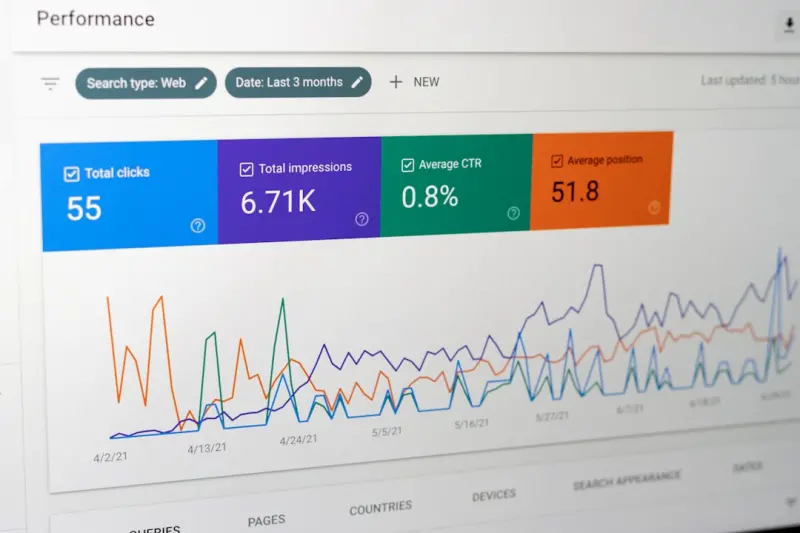
Traditional vanity metrics like raw organic traffic no longer paint the full picture; instead, focus on intent‑centric KPIs that reveal how well you’re meeting user needs. Click‑through rate (CTR) on SERP positions indicates relevance, while dwell time and scroll depth measure content satisfaction for informational queries. For transactional intent, track conversion pathways from SERP to checkout, noting any friction points that cause drop‑off. To fine‑tune your approach, dive into the insights offered in How to Master Intent‑First SEO and Boost Real Conversions, where I break down dashboards that spotlight intent‑driven performance.
Common Pitfalls and How to Avoid Them
Even seasoned marketers stumble into traps that dilute intent, such as keyword stuffing, ignoring searcher intent in favor of ranking ambition, or repurposing old content without updating its purpose alignment. Another frequent misstep is overlooking the mobile experience—Google now evaluates intent on the go, where users demand concise answers and fast load times. To sidestep these errors, conduct regular intent audits, refresh evergreen pieces with current data, and always test your pages on multiple devices before publishing.
Putting It All Together: A Mini‑Action Plan
Start by compiling a list of target queries and classifying each by intent; then, map those intents to the appropriate content format using the menu analogy above. Craft headlines that embed the core intent verb, and weave the keyword naturally into the opening paragraph while supporting it with semantic relatives. Apply schema markup that matches the intent type, and finally, set up a dashboard that tracks CTR, dwell time, and conversion metrics to close the feedback loop. By treating intent as the north star of every SEO decision, you’ll not only climb rankings but also build genuine connections that turn clicks into loyal customers.

When it comes to the world of blogging and writing, Rose DesRochers is a name that stands out. Her passion for creating quality content and connecting with her audience has made her a trusted voice in the industry. Aside from her skills as a writer and blogger, Rose is also known for her compassionate nature.
Related Posts

Mastering Intent‑First SEO: Practical Tips for Real Rankings
Learn how to shift from keyword‑centric tactics to intent‑first SEO, using real‑world examples... Read More

Internal Linking Secrets That Supercharge SaaS SEO
A deep dive into why internal linking is the unsung hero of SaaS SEO, complete with practical tactic... Read More

Rose DesRochers’ 2024 SEO Playbook: Intent, AI, and Authority in Action
Rose DesRochers reveals the 2024 SEO playbook, blending intent, AI, and authority to outsmart algori... Read More
Top Posts

Why HTTP/3 Is the Next SEO Superpower for SaaS
The post explains why SaaS companies should adopt HTTP/3 and Brotli compression, offering a practical audit checklist, real‑world case studies, and integratio...Read More

Semantic SEO for SaaS: Harnessing Entities, Passages, and Topic Clusters
Semantic SEO transforms how SaaS content ranks by focusing on entities, passage-level relevance, and topic clusters, delivering richer organic visibility and hi...Read More
Why Visual Search Is No Longer a Niche for SaaS Brands
Why Visual Search Is No Longer a Niche for SaaS Brands When I first heard about Google Lens and Apple’s Live Text feature, my gut reaction was “nice gimmick...Read More

Hyperlocal SEO: AR, Visual Search & Micro‑Moments
Tammy French explains why augmented reality, visual search, and micro‑moments are the new pillars of hyper‑local SEO, offering a step‑by‑step playbook t...Read More
0 Comments
Post Comment
You will need to Login or Register to comment on this post!