

Why 2024 Is the Year of Intent‑First SEO
When I first stepped into the world of search in the early 2010s, the mantra was “keywords are king,” but today the crown belongs to search intent, and I’ve watched that shift unfold in real‑time, guiding my strategy from the moment I launch a new piece of content; the modern SERP rewards pages that anticipate a user’s question, context, and even emotional state, which means the research phase now feels more like a conversation than a data dump, and every headline I craft is a promise of a specific answer that Google’s AI can recognize and surface. The secret sauce is a blend of audience‑first mind‑mapping, semantic clustering, and the strategic placement of entities that align with Google’s Knowledge Graph, because when the algorithm can see the web of relationships around a topic, it rewards the site that maps that web most clearly, and that is why I spend hours on a single outline, layering primary, secondary, and tertiary intent signals into each heading, sub‑heading, and bullet point. As we ride the wave of intent, remember that the core metric isn’t just traffic but the depth of engagement—dwell time, scroll depth, and micro‑conversions—all of which signal to Google that your page truly satisfies the query, and that’s the foundation of every tip I’ll share in this guide.
The Power of Contextual Ranking in a AI‑Driven Era
In my latest deep‑dive, Rose DesRochers’ 2024 SEO Playbook: Context, AI, and the New Ranking Renaissance, I unpack how contextual relevance now outweighs sheer keyword density, because Google’s language models evaluate the surrounding narrative, the topical authority of the host domain, and even the freshness of related content to decide where a page belongs in the ranking hierarchy, and this means that a single piece of content must be woven into a broader tapestry of interlinked articles that together tell a complete story, rather than existing as an island of isolated facts. To operationalize this, I recommend building pillar‑cluster architectures where a comprehensive guide serves as the central hub, while supporting posts dive into granular subtopics, each linking back with natural anchor text that reinforces the semantic core, and I make sure every internal link uses descriptive, context‑rich language rather than generic “click here” placeholders, because those signals feed the AI’s understanding of relevance and boost the entire cluster’s authority. The result is a self‑reinforcing ecosystem where each article lifts the other, creating a virtuous cycle of contextual strength that can weather algorithmic updates and keep you on the SERP’s front page for years to come.
Leveraging AI‑Assisted Content Creation Without Losing Authenticity
AI tools have become the Swiss army knife of modern copywriters, and I’ve learned to wield them like a seasoned chef uses a sous‑vide—precise, controlled, and always with a human touch to taste‑test the final dish; by feeding the model detailed briefs that include target persona, tone, and brand voice, I can generate first drafts at lightning speed, yet I never let the machine write the final call‑to‑action or the nuanced anecdotes that make a piece feel genuinely human, because readers can spot a robotic cadence a mile away, and that authenticity is the differentiator that keeps them coming back. My process involves a three‑step loop: prompt, refine, and personalize, where I first ask the AI to produce a structured outline with LSI keywords, then I edit each section to inject my own stories, data points, and brand quirks, and finally I run a final pass to ensure the content aligns with E‑E‑A‑T (Experience, Expertise, Authority, Trust) guidelines, which Google now scrutinizes more heavily than ever, especially for YMYL (Your Money or Your Life) topics. When you combine AI speed with human creativity, you get a powerhouse that can churn out high‑quality, intent‑focused articles at scale, all while preserving the voice that makes Rose DesRochers a trusted name in the SEO community.
Strategic Link Building in a World Where Every Link Is a Vote
Link building used to be a numbers game—get as many backlinks as possible and hope the algorithm notices, but in 2024 the focus has shifted to relevance, authority, and the contextual fit of each link, which means that a single high‑quality backlink from a niche‑specific site can out‑perform dozens of generic links from low‑authority domains, and I approach outreach like a relationship manager, targeting publishers whose audience aligns perfectly with my content’s intent, crafting personalized pitches that reference specific articles, and offering reciprocal value through guest posts or data collaborations that benefit both parties. One tactic I swear by is the “link reclamation” method, where I monitor brand mentions across the web using tools like Ahrefs Alerts or Google Alerts, then politely request that the source convert the mention into a clickable link, turning uncredited praise into SEO equity, and I track each reclaimed link’s impact on rankings, organic traffic, and referral conversions to ensure it’s delivering ROI beyond just a boost in domain authority. By treating each backlink as a strategic vote of confidence and nurturing those relationships over time, you create a sustainable backlink profile that can withstand algorithmic turbulence and keep your site climbing the rankings even as the SERP landscape evolves.
Optimizing for the New Core Web Vitals and Mobile‑First Indexing
Google’s Core Web Vitals have graduated from “nice‑to‑have” to “must‑have,” and my experience shows that a site’s loading speed, interactivity, and visual stability directly influence both rankings and user satisfaction, especially on mobile where the majority of traffic now originates, so I start every audit by measuring LCP (Largest Contentful Paint), FID (First Input Delay), and CLS (Cumulative Layout Shift) using both PageSpeed Insights and real‑world field data from Chrome User Experience Report, then I prioritize fixes that yield the highest impact, such as compressing images to next‑gen formats like WebP, implementing lazy loading for off‑screen assets, and leveraging edge‑caching through a CDN to shave off precious milliseconds. Beyond technical tweaks, I also streamline the mobile experience by simplifying navigation, using large tap targets, and ensuring that critical content appears above the fold without intrusive interstitials, because a frustrated mobile user will bounce faster than a desktop user, sending negative signals to Google’s AI about the page’s relevance; the end result is a site that not only ranks higher but also delights users, turning clicks into meaningful engagements that boost conversion metrics.
Harnessing Structured Data to Speak Directly to Search Engines
Structured data is the lingua franca that lets you communicate the exact nature of your content to Google’s crawlers, and I’ve seen first‑hand how implementing schema markup can elevate a standard article into a rich result that captures eye‑balling SERP real estate with star ratings, FAQs, and event snippets, which in turn drives higher click‑through rates; my go‑to strategy involves mapping each content type—how‑to guides, product reviews, case studies—to the most appropriate schema types, such as HowTo, Review, or Article, and then I use JSON‑LD syntax placed in the page header to keep the markup clean and separate from the visual layout, ensuring that any future design changes won’t break the structured data. After deployment, I validate the markup with Google’s Rich Results Test and monitor performance in Search Console’s Enhancements report, adjusting the schema as needed when new entities or properties become available, because staying ahead of the schema roadmap lets you capture emerging rich result formats before competitors, giving you an edge in visibility and user acquisition.
Local SEO Tactics That Translate Into Global Authority
Even if your business isn’t strictly “local,” optimizing for local search signals can boost overall authority, because Google treats consistent NAP (Name, Address, Phone) data, localized content, and positive reviews as trust signals that ripple across the entire web presence, and I advise clients to create region‑specific landing pages that incorporate hyper‑local keywords, embed Google Maps, and showcase community involvement through case studies or testimonials, which not only improves visibility in Google’s “Near Me” queries but also enriches the site’s overall topical relevance, feeding into the broader ranking algorithm. To amplify these efforts, I claim and verify all relevant Google Business Profiles, encourage satisfied customers to leave detailed reviews that mention specific services or products, and regularly update posts and Q&A sections with fresh content that reflects seasonal trends or local events, because Google’s AI rewards fresh, location‑aware signals; the cumulative effect is a stronger, more trustworthy domain that can rank for both local and national queries, turning a modest local presence into a powerful global brand signal.
Measuring Success: The Metrics That Matter in 2024
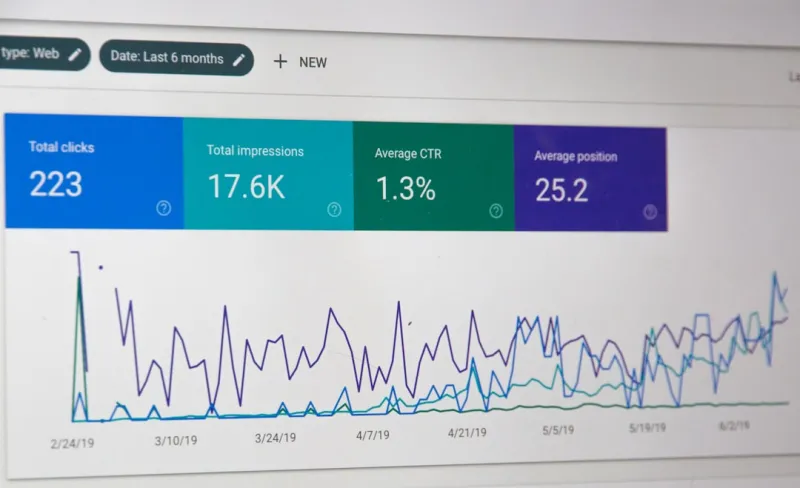
Data is the compass that guides every SEO decision, and while traffic volume remains a useful indicator, I focus on a quartet of deeper metrics—organic conversion rate, user engagement (dwell time, scroll depth), SERP feature capture, and brand search lift—to truly gauge the impact of my strategies, because a page that ranks #1 but fails to convert is a missed opportunity, and by tying ranking positions to downstream business outcomes you can demonstrate ROI to stakeholders and fine‑tune your tactics accordingly; I use a combination of Google Analytics 4, Search Console, and heat‑mapping tools like Hotjar to paint a holistic picture of user behavior from impression to conversion. Additionally, I set up custom dashboards that track the performance of each content cluster, measuring how internal linking, schema implementation, and core web vitals improvements affect the cluster’s overall authority and traffic share, and I conduct quarterly audits to compare pre‑ and post‑implementation benchmarks, allowing me to iterate quickly and stay ahead of algorithmic shifts. By focusing on these outcome‑centric metrics, you ensure that every SEO effort is aligned with business goals, turning rankings into revenue and solidifying your brand’s position in the ever‑evolving search landscape.
Future‑Proofing Your SEO Strategy for the Next Wave of AI
Looking ahead, the next frontier in SEO will be the seamless integration of generative AI with search intent, and I’m already experimenting with AI‑driven content personalization that adapts headlines, meta descriptions, and even body copy in real‑time based on a visitor’s browsing history, location, and device, which promises to deliver hyper‑relevant experiences that Google’s own AI models will likely prioritize as search becomes increasingly conversational and context‑aware; to prepare for this shift, I recommend building a flexible CMS architecture that supports dynamic content modules, investing in robust data pipelines that feed user behavior into personalization engines, and continuously testing the impact of AI‑generated variations on core metrics like bounce rate and conversion. While the technology evolves, the timeless principles of expertise, authority, and trust remain the bedrock of any successful strategy, and by marrying those fundamentals with cutting‑edge AI tools, you’ll create a resilient SEO engine that not only survives but thrives amid the next wave of algorithmic innovation.

When it comes to the world of blogging and writing, Rose DesRochers is a name that stands out. Her passion for creating quality content and connecting with her audience has made her a trusted voice in the industry. Aside from her skills as a writer and blogger, Rose is also known for her compassionate nature.
Related Posts

SaaS SEO Playbook: Harness Community, Case Studies, and Partnerships for Growth
Discover a three‑pillared SEO framework that leverages community forums, customer case studies, an... Read More

SEO Playbook for SaaS Documentation: Turning Guides into Traffic Magnets
Discover a step‑by‑step SEO strategy that transforms SaaS documentation into a powerful traffic ... Read More

Intent‑First SEO: A Fresh Playbook for Modern Rankings
Learn why focusing on search intent, not just keywords, is the key to modern SEO success and how to ... Read More
Top Posts

Winning the Zero‑Click SERP: Strategies for Modern SEO
Learn actionable tactics to win featured snippets, leverage structured data, and measure success in a world where most searches end without a click....Read More

Structured Data: The Secret Weapon for Local SEO
Structured data is the underused catalyst that transforms local business listings into voice‑ready, rich‑snippet powerhouses. Learn a step‑by‑step imple...Read More

Intent‑Based Audiences: The Next Evolution in SEM
This post explores how shifting from demographic to intent‑based audience segments can revolutionize paid search, offering practical steps for building, testi...Read More
SEO News Roundup: How AI, Contextual Ranking, and Core Web Vitals Are Redefining the Game
Rose DesRochers breaks down this week’s SEO news, from AI-powered SERP changes to new contextual ranking and Core Web Vitals updates, delivering actionable ti...Read More
0 Comments
Post Comment
You will need to Login or Register to comment on this post!