

The Intent‑First Wave Is Redefining SEO News
Every time I log into my analytics dashboard, I’m reminded that search is no longer a game of keyword stuffing but a conversation about user purpose, and that shift feels like the most exciting headline in SEO news today. The buzz around Intent‑First SEO: The Latest Wave Shaping Search Strategy has turned casual curiosity into a full‑blown industry movement, prompting agencies to rewrite their playbooks and brands to rethink their content calendars. As a strategist who has watched algorithm updates ripple through rankings, I can say with confidence that the intent‑first mindset is no longer optional—it’s the new baseline for visibility.
Why Intent‑First Is the Real Game‑Changer for Google Rankings
Google’s evolution from “keywords” to “search intent” is more than a slogan; it’s a structural change in how the engine evaluates relevance, and that reality is reshaping the SEO landscape faster than any core update in recent memory. Marketers who still chase exact‑match terms are finding themselves sidelined, while those who map content to the underlying questions users ask are seeing traffic spikes that feel almost retroactive. The secret sauce, as explored in Unlock the Secret Sauce of Modern SEO, lies in aligning every headline, meta description, and on‑page element with the specific intent behind a query.
From Theory to Practice: Turning User Purpose Into Rankings
Putting intent into practice starts with rigorous research: you must categorize queries into informational, navigational, transactional, and investigational buckets before you even draft a single sentence. Once you have that map, the next step is to craft pillar pages that serve as comprehensive hubs, linking out to tightly focused articles that satisfy each sub‑intent—this is the core of the Intent‑First Blueprint. By designing a hierarchy that mirrors the user's journey, you give Google a clear signal about the purpose of each page, which translates into higher rankings and deeper engagement.
Common Pitfalls That Still Drag Rankings Down
Even seasoned SEOs fall into the trap of “partial intent optimization,” where they tweak a title but leave the body content misaligned, creating a mismatch that confuses both users and crawlers. Another frequent error is over‑optimizing for a single keyword phrase, which now triggers a relevance penalty rather than a boost, especially when the surrounding context fails to address the broader question. To avoid these setbacks, audit your existing assets with an intent lens—look for gaps where the content answers the “what” but not the “why” or “how,” and fill those gaps with supporting media, FAQs, and structured data.
Tools and Techniques for an Intent‑First Audit
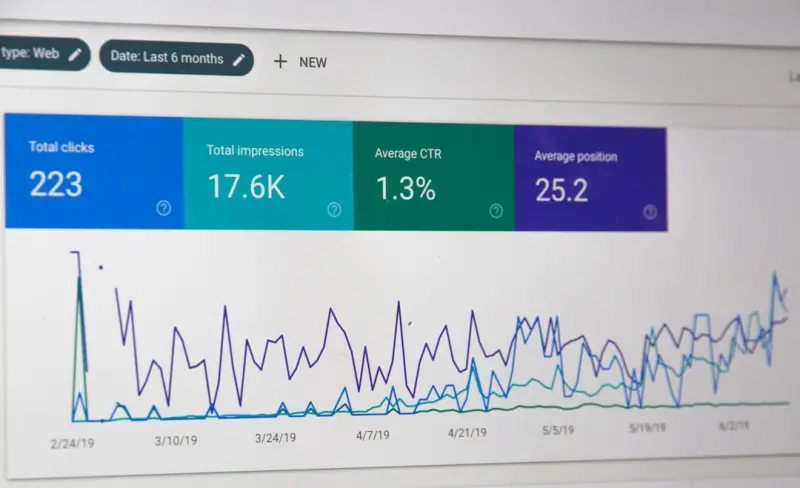
Modern SEO platforms now include intent classification features, but the most reliable method still involves manual SERP analysis combined with user‑behavior data from tools like Google Search Console and heat‑map software. Start by pulling the top ten results for a target query, noting the content types (videos, listicles, how‑to guides) and the common themes they address; this gives you a baseline for the dominant intent. Then overlay click‑through rates and dwell time metrics to see which format truly satisfies users, and iterate your own content accordingly.
How Brands Can Future‑Proof Their SEO Strategy
Looking ahead, the intent‑first approach isn’t a fleeting trend—it’s a strategic foundation that will adapt as AI‑driven search assistants become more conversational and context‑aware. Brands that embed intent into every layer of their digital experience— from voice search snippets to interactive chatbots—will enjoy a resilience that protects against future algorithmic shifts. Investing now in intent‑centric content clusters, schema markup, and continuous user‑feedback loops ensures your site remains the authoritative answer, regardless of how Google refines its understanding of purpose.
Measuring Success in an Intent‑First World
Traditional metrics like organic impressions remain valuable, but they must be complemented with intent‑specific KPIs such as query‑level conversion rates, micro‑conversion events (like PDF downloads or video plays), and SERP feature ownership. When you see a rise in featured snippets or “People also ask” boxes for your pages, it’s a clear sign that Google recognizes the alignment between your content and user intent. Track these signals alongside bounce rate and session duration to build a holistic picture of how well your intent strategy is resonating.
Community Insights: Voices from the Front Lines
In recent webinars and industry roundtables, peers have echoed a common sentiment: the shift to intent has democratized SEO, allowing smaller players with deep audience knowledge to outrank larger competitors who rely solely on authority. One case study highlighted a niche blog that doubled its organic traffic by restructuring a single pillar page around three distinct intents, proving that thoughtful intent mapping can yield exponential returns. These success stories reinforce the idea that intent is the great equalizer in the search arena.
What’s Next? The Ongoing Intent‑First Revolution
As Google continues to refine its AI models, the granularity with which it discerns user purpose will only increase, making the intent‑first framework more critical than ever. My recommendation for marketers is simple: treat intent as the compass that guides every content decision, from ideation to promotion, and keep iterating based on real‑world user signals. Embrace this change, experiment boldly, and watch your rankings rise as you become the trusted source for the questions that matter most.

When it comes to the world of blogging and writing, Rose DesRochers is a name that stands out. Her passion for creating quality content and connecting with her audience has made her a trusted voice in the industry. Aside from her skills as a writer and blogger, Rose is also known for her compassionate nature.
Related Posts

Trending SEO News: Rose DesRochers Decodes 2024’s Biggest Shifts
Rose DesRochers unpacks 2024’s SEO breakthroughs, offering actionable insights on AI, intent, and ... Read More

Privacy‑First SEO: The Competitive Edge SaaS Can't Ignore
Discover why privacy‑first SEO is now a competitive advantage for SaaS businesses, featuring first... Read More
Zero-Click Search: Turning SERP Real Estate into Your Own Traffic Hub
Explore the rise of zero‑click search, learn tactics to dominate featured snippets and knowledge p... Read More
Top Posts

Mobile SEO Secrets: Deep Linking & App Indexing
This post reveals three powerful tactics—deep linking, app indexing, and advanced mobile UX—that SaaS marketers can use to dominate mobile search, boost con...Read More

Zero‑Click SEM: Claiming the Unseen Real Estate in SaaS Advertising
Zero‑click SEM unlocks premium SERP real‑estate, letting SaaS brands deliver answers before a user clicks. This guide details extensions, budgeting, and mea...Read More

Co‑Creating Research Reports: A Fresh Link‑Building Engine for SaaS Brands
Learn a new link‑building strategy for SaaS: partner with complementary brands to create data‑driven research reports, earn high‑authority backlinks, and ...Read More

Unmasking Bias: How Google’s Algorithm Shapes Search Equity
A deep dive into Google’s algorithmic bias reveals hidden traffic drains and offers practical, data‑backed steps for SEOs to safeguard rankings and ensure s...Read More
0 Comments
Post Comment
You will need to Login or Register to comment on this post!