

Rethinking Google’s Algorithmic Lens
When Google announced its latest algorithm overhaul, the buzz focused on rankings and core updates, but beneath the surface lies a subtler shift—an increasing reliance on machine‑learned judgments that echo the biases of their training data. Algorithmic bias isn’t a new concept in tech circles, yet its manifestation in search results can silently tilt traffic away from entire industries, languages, or regions without any obvious warning flag. For an SEO professional who lives by data, recognizing that the algorithm now interprets intent through a probabilistic lens is the first step toward building truly resilient strategies.
The hidden human fingerprints
Even the most sophisticated neural networks inherit assumptions from the humans who label training sets, and Google’s vast corpus is no exception. When annotators consistently favor certain phrasing or content formats, the model learns to reward those patterns, marginalizing alternative expressions that may be culturally or contextually valid. This hidden fingerprint means that a well‑crafted article in a minority dialect could be systematically deprioritized, not because of quality, but because the algorithm’s “experience” simply never saw enough of it to value it.
From link graphs to neural nets
Historically, Google’s authority signal was the link graph—a relatively transparent metric that SEOs could audit and influence. Today, the algorithm blends link equity with latent semantic embeddings, user‑behavior signals, and reinforcement‑learning loops that adapt in near‑real time. The transition from a deterministic ranking formula to a fluid, learning system amplifies bias, as each feedback cycle reinforces the patterns it first recognized, creating a self‑fulfilling loop that can be hard to break without intentional intervention.
The bias problem: a silent traffic drain
For many small businesses and niche publishers, the impact of bias is not a headline‑making scandal but a gradual erosion of visibility. A local bakery that serves a multicultural community may notice a dip in “near me” queries, while a tech blog written in British English might see its organic clicks fall despite steady content output. These symptoms are often misdiagnosed as “algorithmic volatility,” when in fact they are the byproduct of an unseen preference hierarchy embedded in the ranking engine.
Geographic and demographic skew
Google’s data collection is strongest in densely populated, high‑GDP regions, which skews the algorithm toward the search habits of those users. As a result, queries that reflect rural dialects, indigenous terminology, or emerging market trends can be under‑served, leading to a “visibility gap” that compounds over time. This geographic bias not only affects local businesses but also hampers the discovery of culturally rich content that could broaden the SERP ecosystem.
Content type favoritism
Beyond location, the algorithm shows a marked preference for certain content formats—particularly video and long‑form, AI‑generated articles that align with its internal training data. While this might reward well‑produced multimedia, it can penalize succinct, text‑only resources that are nonetheless the most useful for quick answers. The rise of “multimodal search” has unintentionally created a hierarchy where format can outweigh relevance, a nuance that many SEOs overlook in their optimization checklists.
Detecting bias before it hurts
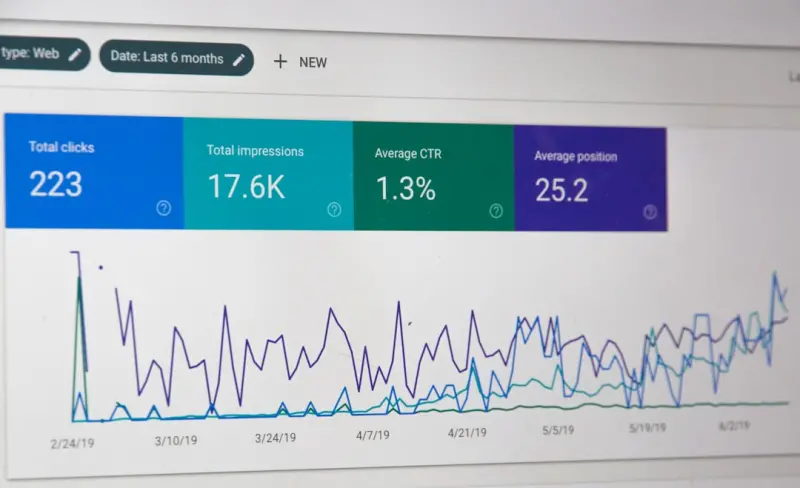
Proactive detection starts with a granular audit of SERP performance across demographic slices, device types, and regional queries. By exporting raw click‑through data and pairing it with Google Search Console logs, you can surface patterns where certain user segments consistently receive lower rankings for comparable content. Tools that visualize “keyword equity” across languages or locales become indispensable, turning invisible bias into a data‑driven conversation you can present to stakeholders.
Log‑file forensics and SERP audits
Analyzing server logs reveals which crawlers are being served different HTML variants, a clue that Google might be delivering distinct SERP results based on perceived user intent. Coupling this with a manual “search audit”—where you query the same term from multiple VPN locations and device profiles—highlights disparities that merit deeper investigation. For a more technical deep‑dive, see our guide on AI search personalization and how structured data can both mitigate and unintentionally reinforce bias.
Strategic countermeasures for modern SEOs
Mitigating algorithmic bias requires a two‑pronged approach: diversify the signals you send to Google and build redundancy into your traffic sources. First, enrich content with schema markup that explicitly defines locale, language, and audience, giving the algorithm clearer context to surface your pages to the right users. Second, cultivate alternative discovery channels—such as niche community forums or direct email newsletters—so that a dip in organic visibility does not cripple your business. Finally, stay ahead of the curve by monitoring Google’s research publications and patents; understanding the direction of their reinforcement‑learning models lets you anticipate which biases may surface next. For actionable tactics, our recent post on AI‑First SERP strategies offers a checklist that aligns SEO roadmaps with the evolving expectations of Google’s learning algorithms.

Lifan Chen is a freelancer based in Toronto specializing in marketing. With expertise in crafting effective marketing strategies and campaigns, Lifan helps businesses grow their brand presence and reach target audiences. As a Toronto-based freelancer, Lifan combines local market insights with creative marketing skills to deliver tailored solutions for clients.
Related Posts

Why Google’s Personalization Engine Is the New SEO Frontier for SaaS Brands
Google’s algorithm now personalizes search results for each user, reshaping visibility for SaaS br... Read More

Inside Google’s Spam Detection Engine: From Penguin to SpamBrain
A deep dive into Google’s SpamBrain algorithm, its evolution from Penguin, key spam signals, and a... Read More

Decoding Google’s Multimodal Algorithm: A New Playbook for Modern SEOs
Google’s algorithm now evaluates text, images, video, and audio together. Discover how to adapt yo... Read More
Top Posts
Beyond Rankings: How SaaS Brands Can Dominate SERP Features
This post shows SaaS marketers how to turn Google’s SERP features—rich snippets, FAQ blocks, and People Also Ask—into powerful, zero‑click conversion to...Read More

Post‑Purchase Playbook: Turning One‑Time Buyers into Loyal Fans
A detailed guide on designing a seamless thank‑you journey, leveraging personalization, structured data, and voice search to transform single purchases into l...Read More

From Search to Cart: Mapping Shopper Intent to Supercharge eCommerce SEO
Discover a practical, intent‑first framework that turns informational queries into purchases by building semantic hubs, optimizing product pages, and leveragi...Read More

Edge SEO: Harnessing the CDN to Supercharge Technical Rankings
Edge SEO shifts critical SEO logic to the CDN, delivering faster crawlability, cleaner redirects, and dynamic SEO signals directly at the network edge, giving S...Read More
0 Comments
Post Comment
You will need to Login or Register to comment on this post!