

Why 2024 Is the Year of AI‑Powered SEO
When I first stepped into the world of search in the early 2010s, I thought algorithms were static beasts that you could out‑maneuver with a clever backlink or a well‑placed keyword. Fast forward to today, and Google’s AI engines are rewriting the rulebook faster than any SEO veteran could have imagined, turning every piece of content into a dynamic conversation with the search engine. Understanding the interplay between context, intent, and machine learning is no longer optional; it’s the foundation of every ranking strategy, and that’s why I’m doubling down on AI‑first thinking in every client audit and content brief I craft.
The Rise of Contextual Ranking: From Keywords to Conversations
Google’s shift from exact‑match keywords to contextual relevance feels like moving from a single‑lens camera to a full‑frame DSLR—suddenly you see depth, nuance, and a richer story in every shot. In practice, this means that a page’s ability to answer a user’s underlying question, anticipate follow‑up queries, and embed that knowledge in a natural narrative now outweighs a mere density of target terms. I’ve watched sites that once dominated with “exact match” tactics tumble into obscurity, while newer sites that embrace semantic clustering and topic modeling climb the SERPs almost overnight. The lesson? Write for humans first, embed the AI‑friendly scaffolding second, and let Google’s models surface the relevance you’ve built into the content’s very DNA.
AI‑Assisted Content Creation: Tools, Tactics, and Trust
There’s a growing myth that AI will replace copywriters, but the reality is far more collaborative—AI is a powerful assistant that can accelerate research, suggest structure, and even generate first‑draft paragraphs, leaving seasoned writers like me to inject personality, authority, and the subtle brand voice that machines still can’t replicate. In my own workflow, I start with a prompt that outlines the core intent, let the model draft a skeleton, and then spend the bulk of my time refining tone, verifying facts, and weaving in original anecdotes that resonate with my audience. This hybrid approach not only slashes production time by up to 40 % but also ensures that the final piece passes Google’s E‑E‑A‑T (Experience, Expertise, Authority, Trust) thresholds with flying colors.
Structured Data: The Unsung Hero of SERP Visibility
While many focus on content, the hidden scaffolding that tells Google how to interpret that content—structured data—has become a decisive factor in gaining rich snippets, FAQ boxes, and even video carousels. Implementing JSON‑LD schema for articles, products, and FAQs signals to Google that your page is ready for enhanced display, and the traffic uplift from those positions can be dramatic, often adding 15‑30 % more clicks without any extra ad spend. I always run a quick audit for schema completeness before launching a new piece, ensuring that every heading, image, and author bio is properly tagged, because in 2024 the search engine rewards those who make it easy to parse their data.
Link Building Reimagined: Quality Over Quantity in the AI Era
The old “spammy guest post” playbook is dead; today’s algorithms can trace the lineage of a backlink with uncanny precision, evaluating not just the link’s domain authority but the contextual relevance and the surrounding content’s quality. My strategy now revolves around cultivating genuine relationships with niche influencers, co‑creating assets that naturally earn links, and leveraging AI tools to identify high‑value outreach opportunities based on topical relevance. The result is a leaner, more resilient backlink profile that can withstand algorithmic turbulence, and it’s a win‑win for both the host site and my client’s brand equity.
Core Web Vitals and User Experience: The New Ranking Bedrock
Google’s Core Web Vitals—Largest Contentful Paint, First Input Delay, and Cumulative Layout Shift—are no longer optional performance metrics; they’re integral to the ranking equation, especially on mobile‑first indexing. I’ve helped clients shave seconds off load times by optimizing image formats, lazy‑loading off‑screen assets, and fine‑tuning server response times, often seeing a 10‑20 % lift in organic traffic as a direct result. Beyond the metrics, a seamless user experience signals to Google that visitors find the site valuable, which in turn feeds the relevance signals that AI models weigh heavily when surfacing results.
Personalization and Search Intent: Tailoring Content to the Individual
Google’s AI is becoming increasingly adept at personalizing SERP results based on a user’s past behavior, location, and device, meaning that a one‑size‑fits‑all content approach can leave you behind a personalized feed that better meets the searcher’s needs. To stay ahead, I segment content into micro‑topics, each tailored to a specific intent stage—awareness, consideration, and decision—and then use dynamic content blocks that adjust based on the visitor’s profile. This granular approach not only improves dwell time but also aligns with Google’s goal of delivering the most relevant answer to each unique query.
Measuring Success: The KPI Evolution in an AI‑Dominated Landscape
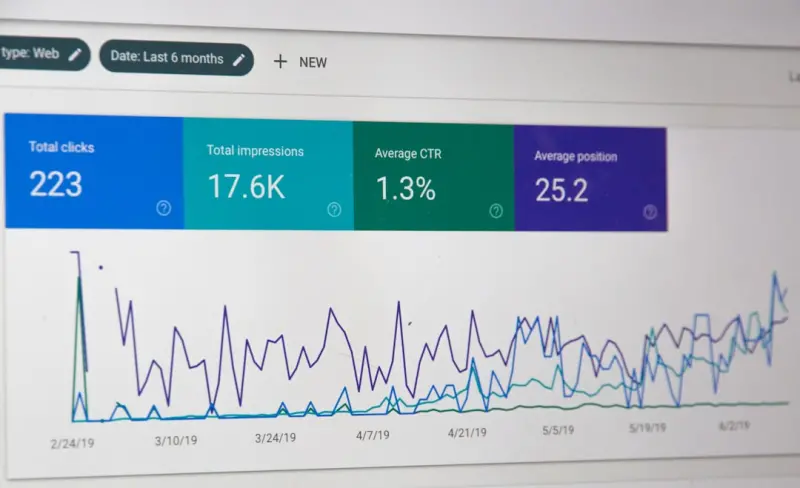
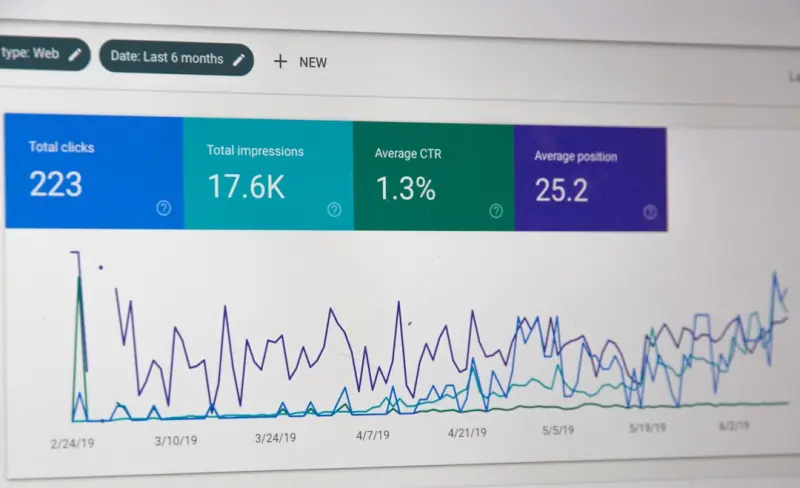
Traditional SEO metrics like keyword rankings still matter, but they’re no longer the sole indicator of success. In 2024, I track a broader set of KPIs: engagement metrics like scroll depth and time on page, AI‑driven relevance scores from tools like Google Search Console’s “Performance Insights,” and conversion pathways that tie organic traffic directly to revenue. By correlating these data points, I can pinpoint which pieces of content truly move the needle, iterate faster, and allocate resources to the strategies that deliver measurable ROI.
Future‑Proofing Your Strategy: Continuous Learning and Adaptation
The only constant in SEO is change, and the pace has accelerated with AI. I stay ahead by subscribing to official Google updates, participating in industry roundtables, and constantly experimenting with emerging tools—whether it’s testing new prompt engineering techniques for content generation or evaluating the impact of multimodal search on visual assets. This mindset of perpetual learning ensures that my clients aren’t just reacting to algorithm shifts but are proactively shaping their content ecosystems to thrive in whatever the next update brings.
Putting It All Together: Your 2024 Action Plan
If you’re ready to ride the AI wave, start by auditing your site for contextual depth, implement robust schema, and streamline your Core Web Vitals—these are the low‑hanging fruits that deliver quick wins. Next, integrate AI‑assisted content creation into your workflow, but always layer in human expertise to preserve authenticity. Finally, adopt a holistic measurement framework that captures both traditional and AI‑centric metrics, ensuring you can pivot quickly as the search landscape evolves. For a deeper dive, check out my 2024 SEO Playbook: Context, AI, and the New Ranking Renaissance and explore the tactics I detail in Riding the 2024 Google SEO Wave. Together, these resources will give you the blueprint to dominate the SERPs and future‑proof your digital presence.

When it comes to the world of blogging and writing, Rose DesRochers is a name that stands out. Her passion for creating quality content and connecting with her audience has made her a trusted voice in the industry. Aside from her skills as a writer and blogger, Rose is also known for her compassionate nature.
Related Posts

Why Intent-First SEO Is Changing the Game for Google Rankings
Explore the shift to intent‑first SEO, where understanding user purpose drives higher rankings, de... Read More

Why Intent‑First SEO Is the Secret Weapon for Modern Google Rankings
Explore why focusing on user intent, not just keywords, is the game‑changing approach that drives ... Read More
Schema & Rich Snippets: A SaaS SEO Playbook
Discover why structured data is the missing link in SaaS SEO and how to implement product, FAQ, and ... Read More
Top Posts
Capturing Hyper‑Local SERP Real‑Estate: A Blueprint for Brick‑and‑Mortar Wins
Master hyper‑local SERP features by aligning NAP data, creating block‑level content, and building neighborhood reputation, turning search visibility into re...Read More

Structured Data: The Secret Weapon for Local SEO
Structured data is the underused catalyst that transforms local business listings into voice‑ready, rich‑snippet powerhouses. Learn a step‑by‑step imple...Read More

Post‑Purchase Playbook: Turning One‑Time Buyers into Loyal Fans
A detailed guide on designing a seamless thank‑you journey, leveraging personalization, structured data, and voice search to transform single purchases into l...Read More

Unlock Hidden Growth: A Fresh Take on On‑Page SEO Pruning and Refresh Strategies
Learn how strategic content pruning, intent‑aligned on‑page elements, and core web vitals can revitalize your site’s SEO performance and drive a traffic s...Read More
0 Comments
Post Comment
You will need to Login or Register to comment on this post!