
Why Zero-Click Search Is the New Frontier for SEO
Search engines have quietly transformed from traffic routers into answer engines, and that evolution is now crystallizing in the rise of zero‑click searches where users get their answer without ever clicking a link. Zero‑click search isn’t a gimmick; it’s a measurable shift reflected in the steady climb of featured snippets, knowledge panels, and instant answers that dominate the top of the page. For marketers who have long chased backlinks and rankings, the real challenge today is to claim a piece of that SERP real estate before the competition does, turning the search results themselves into a conversion funnel.
Decoding the SERP Landscape: From Snippets to Interactive Widgets
The modern SERP is a mosaic of formats—featured snippets, people‑also‑ask boxes, local packs, video carousels, and even AI‑generated summaries—that together account for a substantial share of user interactions. Each of these widgets follows its own algorithmic criteria, rewarding concise, well‑structured content that satisfies a specific user intent in seconds. Understanding the hierarchy of these elements, from the coveted “position zero” snippet to the increasingly common “People also search for” carousel, is the first step in crafting a strategy that captures eyeballs without ever needing a click.
Structured Data: The Engine Behind Rich SERP Features
One of the most reliable ways to nudge Google toward displaying your content in a zero‑click format is to embed structured data that speaks the language of the search engine. Schema markup clarifies the relationship between entities, dates, and actions, allowing Google to pull precise answers directly from your page. When you tag FAQs, how‑to steps, or product specifications correctly, you dramatically increase the odds that a featured snippet or a knowledge panel will surface, effectively turning a single paragraph on your site into a permanent SERP fixture.
The Power of Microcopy in Snippet Optimization
While schema lays the technical groundwork, the actual text that appears in a snippet is often a distilled version of your microcopy, and that tiny text can make or break your visibility. Crafting succinct, answer‑focused sentences that align with common query phrasing is a skill that pays dividends in zero‑click environments. For a deeper dive into how to perfect these bite‑size messages, check out our guide on microcopy mastery, which walks you through the art of turning a 150‑character answer into a click‑magnet.
Measuring Success When Clicks Aren’t the Goal
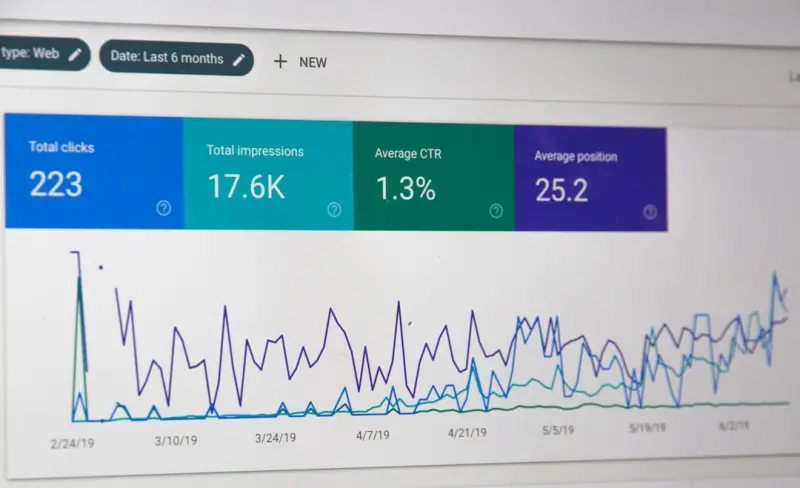
Traditional SEO metrics—organic clicks, bounce rate, and dwell time—need to be supplemented with impression‑based KPIs to gauge the impact of zero‑click rankings. Tools like Google Search Console now surface “position 0” impressions, allowing you to track how often your content is serving as an answer even if users never leave the SERP. Pair this data with brand lift surveys or on‑page engagement metrics to build a holistic view of how zero‑click presence influences brand awareness, lead generation, and eventual conversions.
Content Formats That Thrive in a Zero‑Click World
Lists, tables, and step‑by‑step guides are the native languages of featured snippets, because they can be parsed quickly and presented in a clean, scannable layout. When you structure a blog post with a clear hierarchy—using H2 headings for each question and bullet points for answers—you give the algorithm a ready‑made template to pull from. Similarly, embedding concise definitions at the top of a page and using HTML tables for comparative data dramatically improves the chance of landing in the “Quick Answers” carousel, which now accounts for a sizable portion of organic traffic.
Brand Authority Through Knowledge Panels and Local Packs
Beyond snippets, knowledge panels and local packs are powerful zero‑click assets that cement your brand’s authority and drive offline actions. Claiming and optimizing your Google Business Profile, ensuring consistent NAP (Name, Address, Phone) data, and curating a robust Wikipedia or Wikidata presence can all feed the algorithm with the signals it needs to display a comprehensive panel. When users see your brand’s logo, contact information, and top reviews directly on the SERP, the perceived need to click elsewhere diminishes, yet the brand’s influence expands.
Future Trends: AI‑Generated Answers and Real‑Time SERP Updates
As generative AI continues to mature, we’re already witnessing the emergence of AI‑crafted answer blocks that synthesize information from multiple sources in real time. This evolution means that traditional SEO tactics will need to adapt to a landscape where the search engine not only extracts but also creates content on the fly. Preparing for this shift involves investing in evergreen, fact‑checked material, maintaining a strong internal linking architecture, and staying ahead of schema updates to ensure your data remains the most reliable source for AI‑driven snippets.
Turning Zero‑Click Insight Into a Sustainable SEO Advantage
Embracing zero‑click search isn’t about abandoning link building or keyword research; it’s about augmenting those pillars with a focus on SERP real estate that can generate brand exposure without a single click. By marrying structured data, razor‑sharp microcopy, and data‑driven measurement, you create a self‑reinforcing loop where each successful snippet fuels authority, which in turn attracts more zero‑click opportunities. In a world where users increasingly expect instant answers, the smartest marketers will treat the SERP itself as a prime piece of owned media, continuously refining their content to stay front‑and‑center in the answer ecosystem.

Brandy Miller is a dynamic freelance writer based in the vibrant city of Cambridge, Ontario. With a passion for storytelling that knows no bounds, she crafts compelling narratives that captivate and inspire. Brandy’s love for writing shines through in her versatile work, whether she’s penning thought-provoking articles or engaging content that resonates with readers. Her unique perspective and friendly tone make her a sought-after voice in the writing community. When she’s not weaving words together, you can find her exploring the beautiful landscapes of Ontario, always seeking new adventures and inspiration for her next piece. Brandy is not just a writer; she’s a creative force, making her mark one word at a time.
Related Posts
Trending SEO News: Rose DesRochers Decodes 2024’s Biggest Shifts
Rose DesRochers unpacks 2024’s SEO breakthroughs, offering actionable insights on AI, intent, and ... Read More
Zero‑Click Search Optimization: Turning SERP Visibility into Conversions
Learn how zero‑click search reshapes SEO and get a step‑by‑step roadmap to capture SERP visibi... Read More
Video SEO Strategies That SaaS Companies Can’t Ignore
Video is now a ranking imperative for SaaS. Learn practical video SEO tactics—keyword mapping, sch... Read More
Top Posts
Riding the 2024 Google SEO Wave: Rose DesRochers’ Insider Take
Rose DesRochers breaks down 2024’s biggest Google SEO changes, from intent and AI to authority, offering practical tips to boost traffic and stay ahead of alg...Read More
Turning SEO Into a Scientific Experiment: A Blueprint for Data‑Driven Rankings
Learn to turn SEO into a systematic experiment, leveraging intent signals, statistical testing, and AI‑generated variations for sustainable, data‑driven ran...Read More
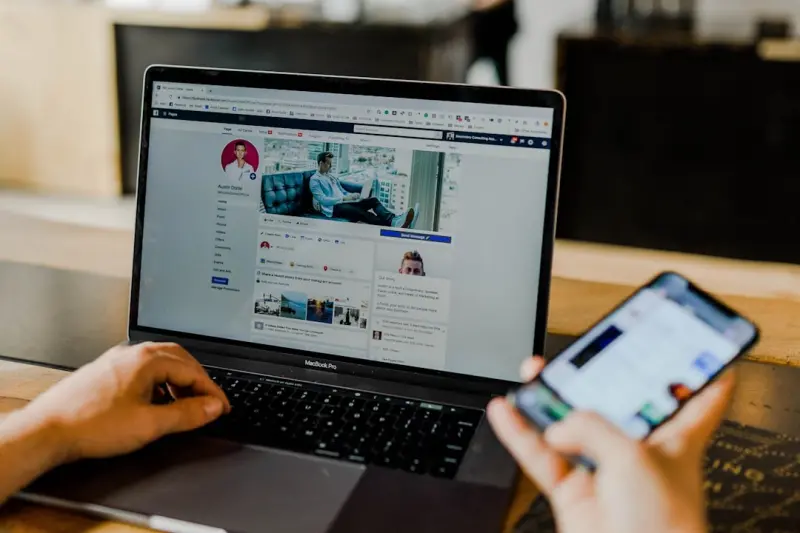
Mastering Facebook Instant Articles for SEO Success
Learn to leverage Facebook Instant Articles for SEO, from technical setup and content tactics to cross‑promotion and analytics, driving higher rankings and tr...Read More

Why Internal Linking Is the Secret Weapon for SaaS SEO Growth
A deep dive into why internal linking, built on user intent and semantic mapping, is the overlooked catalyst that can dramatically improve a SaaS company's orga...Read More
0 Comments
Post Comment
You will need to Login or Register to comment on this post!