
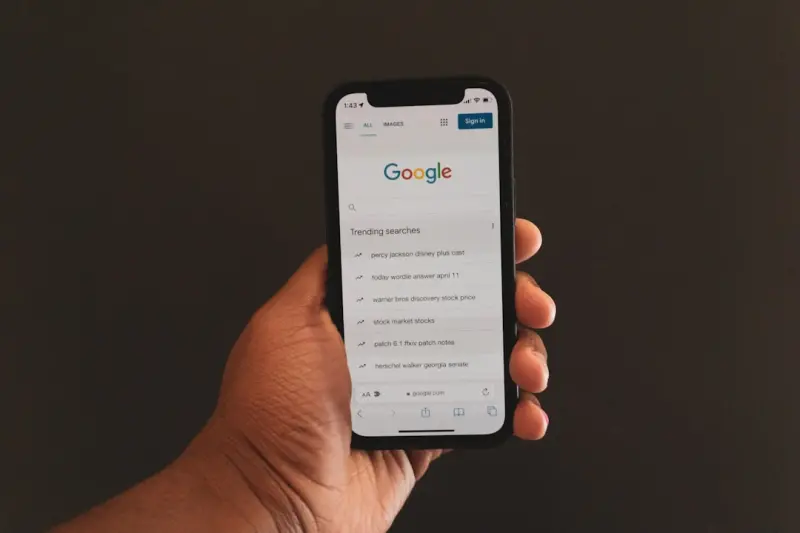
Mobile‑Only SERP Features: Why They Matter
When the majority of global searches happen on a pocket‑sized screen, the traditional desktop‑centric SEO playbook no longer guarantees visibility; Google now surfaces a suite of mobile‑only SERP features that can eclipse the classic blue link in both prominence and click‑through potential. These compact, interactive elements—from bite‑sized snippets to swipe‑through carousels—are engineered to satisfy the instant‑gratification mindset of on‑the‑go users, rewarding sites that speak the language of speed, relevance, and touch‑first design. As a result, a single well‑optimized mobile feature can deliver traffic volumes comparable to a full‑page ranking, making it a strategic imperative for any brand that wants to dominate the handheld arena.
Mapping the Mobile‑First Search Landscape
The mobile SERP today is a mosaic of micro‑formats, each tailored to a specific user intent: informational queries often trigger featured snippets, product‑related searches may summon an image carousel, and location‑centric questions surface a local pack with maps, addresses, and reviews. Understanding which format aligns with your target keyword is the first step toward a mobile‑centric content strategy; you must audit your keyword list through a mobile lens, noting not only search volume but also the typical SERP element that appears for each term. By layering this insight onto your existing SEO roadmap, you can prioritize creation of the asset type—whether a concise answer paragraph, a high‑resolution visual gallery, or a geo‑optimized business profile—that is most likely to claim the prime real‑estate on a small screen.
Winning Mobile Featured Snippets
Featured snippets on mobile are distilled answers that appear above the fold, often accompanied by a "People also ask" accordion that can funnel additional clicks to your site. To capture this coveted spot, craft content that answers a question in a clear, concise paragraph of 40‑50 words, followed by a bullet‑point list or step‑by‑step guide that Google can parse into a structured block; incorporate the exact query phrase early in the heading and repeat it naturally within the first sentence. Schema markup for FAQ or How‑To can reinforce the snippet eligibility, while a mobile‑friendly layout—large fonts, generous line spacing, and tap‑ready links—ensures that once the user lands, they stay engaged long enough for Google to signal relevance.
Carousel & Image Pack Strategies
Image‑driven carousels and product galleries dominate visual searches on smartphones, offering a swipe‑able experience that aligns with thumb navigation patterns. Optimize each image with descriptive alt text that mirrors the query intent, compress files to under 100 KB for lightning‑fast load times, and implement image‑search best practices such as WebP format and responsive srcset attributes. Additionally, embed ImageObject schema to provide Google with contextual clues about the visual content, and ensure the surrounding HTML includes a concise caption or title that reinforces the keyword theme, thereby increasing the likelihood that your visuals will be selected for the carousel slot.
Capturing the Mobile Local Pack
For any business with a physical footprint, the mobile local pack is the most valuable SERP real‑estate, displaying a map, address, phone number, and star rating within the first three results. Claim and fully populate your Google Business Profile, verify NAP consistency across citations, and solicit genuine reviews to boost the rating signal; each of these elements feeds directly into the algorithm that determines local pack eligibility. Supplement the profile with localized content on your website—city‑specific landing pages, geo‑targeted meta tags, and structured data like LocalBusiness schema—to create a cohesive ecosystem that signals relevance to the searcher's proximity and intent.
Structured Data for Mobile Rich Results
Rich results such as FAQs, How‑To guides, and recipe cards appear as interactive cards on mobile, offering instant answers without a page load. Implementing the appropriate JSON‑LD schema not only increases the chance of a rich result but also provides Google with the precise data points needed to populate these cards accurately; each schema block should be validated with the Rich Results Test to avoid errors that could nullify the markup. Pair this technical layer with content that is genuinely useful—clear steps, concise bullet points, and mobile‑readable formatting—so that when Google surfaces your card, users find immediate value, reinforcing trust and prompting higher engagement.
Core Web Vitals as the Mobile Gatekeeper
Google’s Core Web Vitals—Largest Contentful Paint (LCP), First Input Delay (FID), and Cumulative Layout Shift (CLS)—are now decisive ranking factors, especially on mobile where network latency and hardware constraints amplify performance gaps. Prioritize server‑side rendering or static site generation to shave milliseconds off LCP, defer non‑critical JavaScript to improve FID, and reserve fixed‑size placeholders for images and ads to eliminate unexpected layout shifts that hurt CLS. For a deeper dive into how page experience fuels rankings, explore the page experience insights that translate technical metrics into actionable design decisions.
Mobile Crawl Budget Management
Google allocates a finite crawl budget per domain, and mobile‑first indexing means that only the mobile version of each URL is evaluated for relevance and freshness; inefficient mobile pages can waste valuable budget and delay the indexing of new content. Streamline your site architecture by consolidating duplicate mobile URLs, employing canonical tags to point search engines to the preferred version, and using robots.txt to block low‑value resources such as test pages or large media files that do not contribute to user intent. Implementing these tactics aligns with the principles outlined in crawl budget tactics, ensuring that Google’s bots spend their cycles where it matters most—on the pages you want to rank.
Actionable Checklist for Mobile SERP Dominance
To translate strategy into results, adopt this concise checklist: (1) audit your keyword list for mobile‑specific SERP features; (2) craft concise, answer‑oriented content with schema markup for snippets, FAQs, and How‑To blocks; (3) optimize every visual asset for speed, alt text, and ImageObject schema; (4) claim and enrich your Google Business Profile, then embed LocalBusiness markup on location pages; (5) fine‑tune Core Web Vitals by leveraging server‑side rendering, lazy loading, and layout stability techniques; (6) prune crawl waste with canonical tags, robots.txt directives, and a streamlined mobile sitemap. By systematically ticking off each item, you position your brand to capture the high‑visibility, click‑rich mobile SERP features that are reshaping how users discover information on the go.

Kris M. Chen is a dedicated legal paralegal based in Texas, specializing in delivering comprehensive case management and litigation support. Known for a meticulous approach to legal research and document preparation, Kris plays a vital role in navigating complex legal workflows and ensuring seamless trial preparation.
Related Posts
Core Web Vitals on Mobile: SaaS SEO's Secret Sauce
A deep dive into why Core Web Vitals—LCP, FID, and CLS—are the new battleground for SaaS SEO on ... Read More

Mobile SEO Mastery: Turning Tiny Screens into Traffic Titans
Explore cutting‑edge mobile SEO tactics—from PWAs to structured data—that amplify rankings and... Read More
Mobile SEO’s Untapped Goldmine: Structured Data & Visual Search Strategies
Learn how to leverage mobile‑specific structured data, optimize images for visual search, and alig... Read More
Top Posts

Schema Markup Mastery for SaaS: Turning Data Into SERP Gold
Structured data is a hidden powerhouse for SaaS SEO. This guide shows how to map product data to schema types, automate JSON‑LD generation, and integrate mark...Read More

Turning Live Streams into Shopping Engines: A Playbook for Modern eCommerce
Live streaming is reshaping eCommerce. This playbook reveals the tech stack, data‑driven storytelling, and post‑broadcast tactics to turn real‑time video ...Read More

Hybrid SEM: Merging Real‑Time Social Listening with Paid Search for Maximum Impact
A hybrid SEM approach merges real‑time social insights with paid search, creating adaptive ads and predictive bidding that capture users across platforms and ...Read More
The Power of Content Clusters: A WordPress SEO Blueprint
Discover why content clusters are the missing link in WordPress SEO, with a detailed blueprint, advanced tactics, and a real‑world case study to help you domi...Read More
0 Comments
Post Comment
You will need to Login or Register to comment on this post!