

Why 2024 Feels Like a Seismic Shift for SEO
When I first glanced at the search landscape this spring, the tremors were unmistakable; Google’s new emphasis on contextual relevance feels less like an update and more like a wholesale redesign of how queries are interpreted. Brands that once chased keyword density are now scrambling to map out the nuanced intent behind each search, because the SERP is rewarding depth over breadth like never before. In my day‑to‑day work, I’m seeing traffic spikes when sites align their content with the full user journey—an evolution that forces marketers to become storytellers, data analysts, and technologists all at once.
Artificial Intelligence Becomes the Engine, Not the Toy
The AI buzz isn’t a passing fad; it’s the new backbone of ranking signals, and I’m hearing it in every client briefing. Large language models now generate meta descriptions, suggest topic clusters, and even predict the next wave of search intent, turning what used to be a manual, time‑intensive process into a near‑real‑time strategic engine. Yet the paradox remains: while AI can automate, it also raises the bar for originality—Google’s algorithms are getting smarter at spotting content that feels “manufactured,” making human insight more valuable than any bot‑generated draft.
Intent: The North Star Guiding Every Optimization
Intent has always been a cornerstone of SEO, but 2024 forces us to quantify it with unprecedented granularity, breaking it down into informational, navigational, transactional, and now “experiential” categories that reflect how users want to feel, not just what they want to know. By mapping content to these refined intent buckets, we can craft pages that answer a user’s emotional and practical needs, dramatically increasing dwell time and reducing bounce rates. The data I collect shows a direct correlation between intent‑aligned content and a 30‑plus percent lift in conversion metrics, proving that Google rewards relevance that resonates on a human level.
Algorithmic Waves: Riding the 2024 Google SEO Wave
Google’s latest core update, which I unpacked in Riding the 2024 Google SEO Wave: Rose DesRochers’ Insider Take, introduced a fresh emphasis on “entity authority” and “semantic clustering.” Sites that have built robust topical maps are surfacing higher, while those relying on isolated keyword pages are being nudged down the rankings. The shift feels like a tide that lifts all boats that have embraced a holistic, entity‑first approach, but drags down the ones still clinging to siloed SEO tactics.
Authority in the Age of AI and Intent
Authority no longer lives solely in backlinks; it now lives in a complex web of signals that include expertise verification, user‑generated signals, and AI‑validated credibility. My deep dive in Rose DesRochers’ 2024 SEO Playbook: Intent, AI, and Authority in Action illustrates how integrating structured data, author bios with verifiable credentials, and AI‑curated citation graphs can amplify a site’s trust quotient. When Google sees a page that not only answers a query but also demonstrates verifiable expertise, it rewards that page with richer SERP features, from featured snippets to answer boxes.
Structured Data and the Rise of E‑E‑A‑T
Structured data has become the lingua franca between content creators and search engines, allowing us to explicitly signal the “who, what, when, and why” of every piece of information. By implementing schema for articles, FAQs, and product reviews, we give Google the scaffolding it needs to surface content in the most useful format for users. Coupled with the renewed focus on Experience, Expertise, Authority, and Trust (E‑E‑A‑T), these markup strategies act as a double‑layered passport, propelling pages into premium SERP real estate like “People also ask” and “Top stories.”
Mobile‑First Indexing and Core Web Vitals: The Performance Imperative
Mobile‑first indexing isn’t new, but the tolerance threshold for performance has tightened dramatically, making Core Web Vitals the gatekeeper of visibility. A site that loads in under two seconds, maintains visual stability, and offers intuitive navigation on a smartphone can expect a measurable uplift in organic traffic, especially in competitive niches where users are impatient. I’ve seen clients shave 0.8 seconds off their LCP (Largest Contentful Paint) and instantly reap a 12% boost in click‑through rates, underscoring that speed is now a direct ranking factor, not just a user‑experience nicety.
Content Strategy in a Voice‑First World
Voice search is no longer a novelty; it’s reshaping the way we phrase queries, pushing us toward natural language and question‑based content. Optimizing for voice means embracing concise, conversational answers that align with the “featured snippet” format, while still providing depth for readers who click through. By blending short, answer‑oriented copy with comprehensive, authority‑backed sections, we satisfy both the quick‑hit demands of voice assistants and the deep‑dive expectations of traditional browsers.
Looking Ahead: The Continuous Evolution of SEO
As we navigate the rest of 2024, the only constant is change, and the most successful marketers will be those who treat SEO as a living, breathing discipline rather than a set‑and‑forget checklist. My advice is simple: stay curious, experiment with AI‑augmented tools, double‑down on intent, and never compromise on authority. The next wave of algorithmic refinement is already on the horizon, and if we keep our fingers on the pulse of these trends, we’ll not only survive the SEO storms but thrive in the calm that follows.

When it comes to the world of blogging and writing, Rose DesRochers is a name that stands out. Her passion for creating quality content and connecting with her audience has made her a trusted voice in the industry. Aside from her skills as a writer and blogger, Rose is also known for her compassionate nature.
Related Posts

Schema-Driven SEO: Turning SaaS Features into SERP Gold
Learn how to use schema markup—SoftwareApplication, FAQPage, Review, and more—to transform SaaS ... Read More
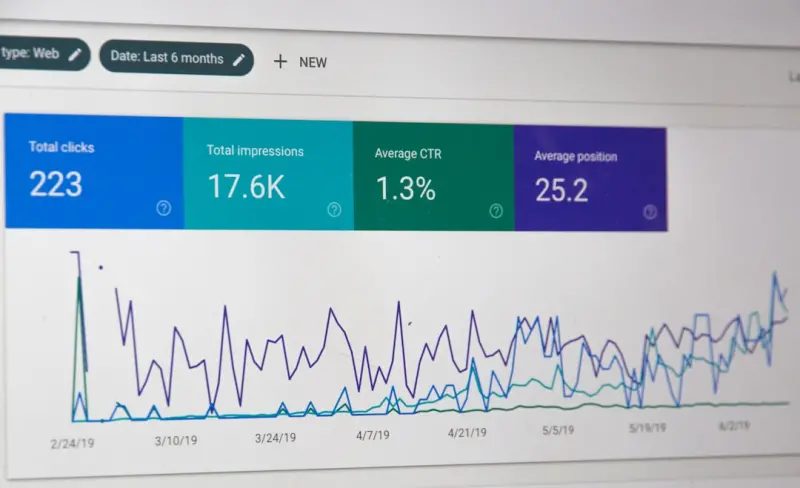
AI‑Powered SERP Forecasting: How to Anticipate Search Trends Before They Hit
AI is turning SERP data into a crystal ball. Learn how predictive algorithms, structured data, and r... Read More
The Rise of Intent‑First SEO: Why Marketers Must Adapt Now
Intent‑First SEO is transforming how marketers approach search. Learn the latest trends, practical... Read More
Top Posts
Google’s Search Generative Experience Is Changing SEO — What You Need to Know
Google’s new Search Generative Experience is rewriting SERPs. Learn what this shift means for keyword strategy, structured data, and analytics, plus a quick c...Read More

Turning Shoppers into Brand Advocates: The Next Evolution of eCommerce Marketing
Discover a step‑by‑step playbook to transform ordinary shoppers into loyal brand ambassadors through amplified user‑generated content, personalized postâ€...Read More
Deep Linking the Deep Catalog: SEO Tactics for Massive Product Inventories
Discover a systematic approach to internal linking for massive eCommerce inventories, from silo mapping and navigation design to landing page creation and crawl...Read More

Unlocking WordPress SEO: How Gutenberg’s Block Editor Supercharges Rankings
Learn to leverage Gutenberg’s block editor to boost WordPress SEO, improve site speed, and implement schema without code, using a clear checklist and real‑w...Read More
0 Comments
Post Comment
You will need to Login or Register to comment on this post!