
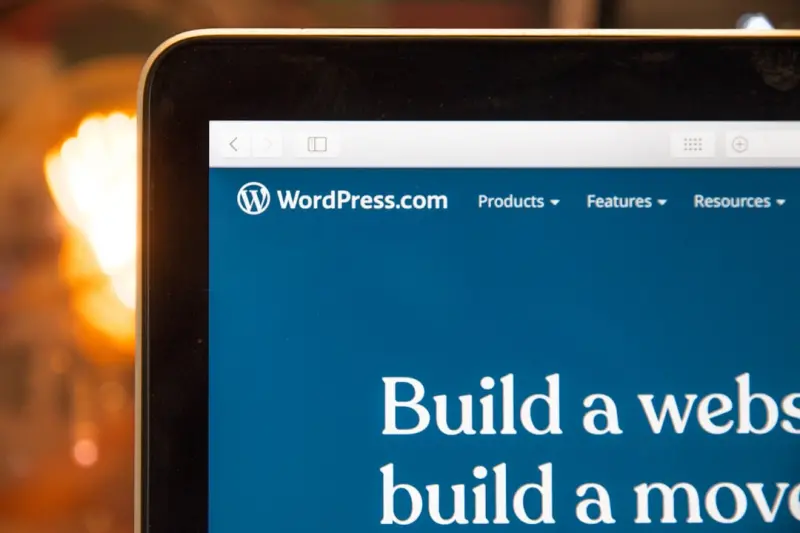
Why Gutenberg’s Block Editor Is Your Secret SEO Weapon
When I first started tinkering with WordPress, the classic editor felt like a cramped studio—great for painting a picture, but terrible for arranging the set pieces that actually get you discovered on Google. The Gutenberg block editor, rolling out as the default a few years ago, isn’t just a pretty UI overhaul; it’s a structural revolution that, when wielded correctly, can turbo‑charge your SEO without the need for endless plugins or code hacks.
From Content Chaos to Structured Brilliance
SEO is no longer about stuffing keywords into a wall of text. Search engines now crave context, hierarchy, and semantic relevance. Gutenberg gives us a visual way to impose that hierarchy—headings, lists, tables, and even structured data snippets can be dropped in as blocks, ensuring each piece of content is both human‑readable and machine‑friendly.
Think of each block as a modular piece of a puzzle:
- Heading blocks establish a clear outline, which Google uses to understand your page’s main topics.
- Paragraph blocks keep your copy digestible, reducing bounce rates.
- Image blocks now include native
altattribute fields, a long‑overdue SEO win. - Schema blocks (available via select plugins) let you embed JSON‑LD directly, without editing
functions.php.
When these blocks are arranged thoughtfully, you create a page that reads like a well‑structured article—exactly what search engines love.
SEO‑Friendly Custom Post Types (CPTs) Without a Developer
One of Gutenberg’s most underrated features is its ability to handle custom post types (CPTs) with the same elegance as regular posts. Need a “Portfolio” section, a “Case Study” archive, or a “Glossary” of terms? Register a CPT, assign it the supports array for Gutenberg, and you’ve got a clean, SEO‑optimized content hub.
Why does this matter?
- Semantic relevance: Each CPT can be themed around a specific keyword cluster, reinforcing topical authority.
- URL structure: Clean slugs (e.g.,
/case-studies/awesome‑project) signal relevance to both users and crawlers. - Internal linking: Gutenberg’s block editor makes it simple to interlink related CPT entries using the “Related Posts” block, boosting link equity.
Speed Isn’t Optional Anymore: Core Web Vitals on WordPress
If you think “speed” is a nice‑to‑have, think again. Core Web Vitals—Largest Contentful Paint (LCP), First Input Delay (FID), and Cumulative Layout Shift (CLS)—are ranking signals. Gutenberg helps you stay on top of these metrics in three ways:
- Lazy‑loading blocks: Images, videos, and iframes can be set to lazy‑load with a single toggle, shaving seconds off LCP.
- Block‑level CSS: Modern themes bundle CSS per block, preventing unused styles from bogging down the page.
- Content placeholders: Skeleton blocks keep layout shifts minimal, protecting your CLS score.
Combine these with a reliable caching plugin and a CDN, and you’re not just meeting Google’s expectations—you’re exceeding them.
Schema Made Simple: The New “Structured Data” Block
Schema markup used to be a developer‑only playground. Today, premium block packs (like those from Yoast or Rank Math) introduce a Schema block where you select the type—Article, FAQ, How‑To, Product, etc.—and fill in fields that auto‑generate the required JSON‑LD. No more manual script tags, no more broken markup.
Here’s a quick workflow:
- Insert a “FAQ” block where your readers have common questions.
- Type each question and answer directly into the block.
- Publish. Google’s crawlers instantly recognize the FAQ schema and may surface your Q&A in SERP rich results.
The impact is immediate: higher click‑through rates, more visibility, and less reliance on traditional backlinks.
Link Building Reimagined with Internal Block Linking
External link building still matters, but internal linking is the quiet powerhouse of SEO. Gutenberg’s Link to Content block lets you search your site and embed contextual links in seconds. This reduces orphaned pages, spreads link equity, and helps search engines crawl deeper.
Pro tip: Use the “Related Posts” block at the end of every article, and set it to display three posts from the same category or tag. It’s an automated way to keep readers on your site longer—another signal that Google loves.
Content Repurposing: Turn Your Blog Posts into SEO‑Friendly Landing Pages
WordPress’s flexibility means you can repurpose a high‑performing blog post into a landing page without duplicating content. Duplicate the post, change the template to a “Landing Page” layout, and swap out the call‑to‑action. The block editor lets you rearrange sections, add testimonials, and embed video—all while preserving the original SEO signals (metadata, headings, schema).
This strategy extends the life of evergreen content, captures additional keyword variations, and maximizes ROI on your writing efforts.
Future‑Proofing with Headless WordPress
While Gutenberg already gives us a solid on‑site SEO foundation, the next frontier is headless WordPress—decoupling the front‑end from the back‑end and serving content via APIs to frameworks like Next.js or Astro. The SEO advantage? Faster page loads, granular control over markup, and the ability to serve tailored experiences based on device or location.
If you’re hesitant about a full migration, start small: render a single high‑traffic landing page with a static site generator and compare performance. You’ll likely see a measurable lift in Core Web Vitals, which translates directly into better rankings.
Balancing Plugins and Performance
WordPress plugins are both a blessing and a curse. While they add functionality, each one can add CSS, JavaScript, and server requests. Here’s how to keep the block editor lean:
- Audit regularly: Use tools like Query Monitor to identify heavy plugins.
- Prefer block‑native plugins: They only load assets on pages where the block is used.
- Defer non‑essential scripts: Many SEO plugins now offer “lazy‑load” for their scripts.
- Combine and minify: Leverage a caching solution that handles CSS/JS minification.
By trimming the fat, you let Gutenberg’s built‑in performance optimizations shine.
Real‑World Success: Turning a Knowledge Base Into a Traffic Magnet
One of our SaaS clients recently migrated their support docs from a static HTML hub to a WordPress site using custom post types and Gutenberg blocks. By applying the techniques above—semantic headings, schema blocks for FAQs, internal link blocks—they saw a 73% increase in organic traffic within three months.
Want to see the methodology behind that success? Check out Turn Your SaaS Knowledge Base Into an SEO Powerhouse for the full case study.
Putting It All Together: A Step‑by‑Step Checklist
- Enable Gutenberg and select a block‑friendly theme (e.g., Blocksy, Astra).
- Structure your content with heading blocks (H1 → H2 → H3) and use paragraph blocks for readability.
- Add image blocks with descriptive
alttext. - Insert schema blocks for FAQs, How‑To, or Product data.
- Use internal link blocks to connect related posts and CPT entries.
- Optimize performance with lazy‑loading, block‑level CSS, and a CDN.
- Audit Core Web Vitals after each major change.
- Consider headless for high‑traffic, performance‑critical pages.
Follow this checklist, and you’ll not only make your WordPress site more SEO‑friendly—you’ll also give users a smoother, faster, and more engaging experience.
Next Steps: Dive Deeper Into SEO Strategies
If you’re hungry for more advanced tactics, you might explore how semantic topic clusters can amplify the authority of your WordPress site, or learn about the untapped potential of mobile SEO and structured data to capture voice search and visual queries.
Remember, SEO isn’t a one‑time sprint; it’s a marathon where every block you add, every link you forge, and every millisecond you shave from load time builds toward lasting visibility.

Miranda Murphy: Experienced freelance writer with a decade of storytelling expertise. Let's create something amazing together!
Related Posts

Winning the Zero‑Click Game: How to Optimize WordPress for Featured Snippets
A step‑by‑step WordPress SEO blueprint that teaches you to capture featured snippets, boost impr... Read More
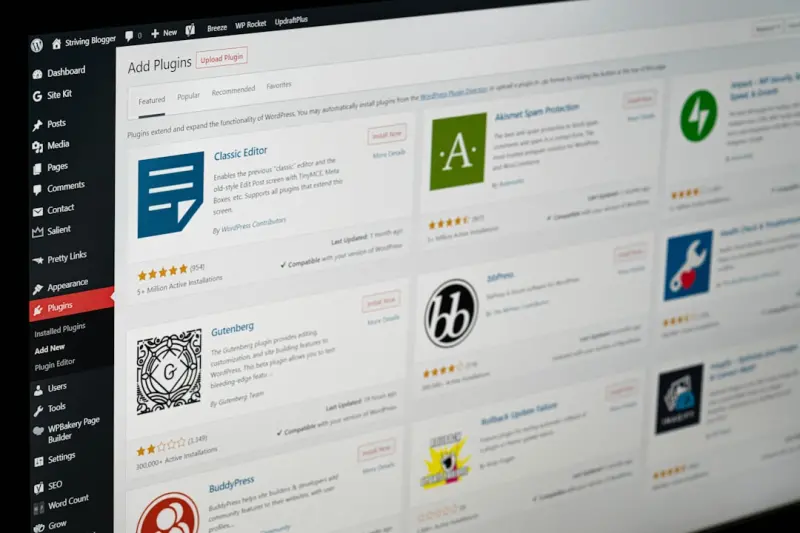
Unlocking the SEO Potential of WordPress Taxonomies and Custom Post Types
Learn why WordPress taxonomies and custom post types are hidden SEO powerhouses, and follow a stepâ€... Read More
Unlocking WordPress FAQ Schema: A Hands‑On Guide to Structured SEO Success
Discover a practical, hands‑on approach to adding FAQ schema in WordPress, turning everyday questi... Read More
Top Posts

Zero‑Click Search Dominance: How to Capture Visibility Without a Click
Zero‑click searches now dominate the SERPs, leaving traditional click‑throughs behind. Learn the tactics to win visibility in rich results, track performanc...Read More

The Untapped Power of Hyperlocal SEO for SaaS Brands
Learn why hyperlocal SEO is a game‑changer for SaaS businesses, with step‑by‑step tactics for Google Business Profiles, localized content, reviews, and AI...Read More
Zero‑Click Search Optimization: Turning SERP Visibility into Conversions
Learn how zero‑click search reshapes SEO and get a step‑by‑step roadmap to capture SERP visibility, drive micro‑conversions, and stay ahead of AI‑driv...Read More

Turning Shoppers into Brand Advocates: The Power of Community‑Driven Commerce
Explore how building a purpose‑centered community, leveraging user‑generated content, and integrating gamified experiences can turn casual shoppers into pas...Read More
0 Comments
Post Comment
You will need to Login or Register to comment on this post!