
When I first heard the phrase “headless WordPress,” my mind went straight to sci‑fi. I pictured a decoupled CMS floating in a digital ether, whispering JSON to a front‑end that never slept. Fast forward a few months, and that mental picture has solidified into a concrete strategy that’s reshaping how we think about SEO on WordPress sites. If you’ve been treating WordPress as a monolith—template, content, and everything in between—you might be missing out on a performance boost, a content‑distribution advantage, and a whole new level of flexibility that search engines love.
What “Headless” Really Means for WordPress
In plain English, a headless WordPress setup strips the “head” (the theme layer) from the core CMS and serves content via the REST API or GraphQL. Your front‑end could be built in React, Vue, Svelte, or even a static site generator like Next.js. The CMS remains the authoritative source for content, but the rendering is entirely up to you.
Why does this matter for SEO? Because search engines have become more sophisticated about how they evaluate page experience. They crawl HTML, but they also consider JavaScript execution, load speed, and how quickly a page becomes interactive. By controlling the front‑end, you can fine‑tune every millisecond, serve pre‑rendered HTML where it counts, and still keep the editorial workflow that WordPress excels at.
SEO Benefits That Aren’t Just “Fast Loading”
- Granular Control Over Structured Data – With a custom front‑end you can programmatically inject schema markup exactly where you need it, without wrestling with plugin quirks.
- Optimized Crawl Budget – By serving only the pages that matter and leveraging server‑side rendering (SSR), you guide crawlers to the most valuable assets, a concept explored in depth in Mastering Crawl Budget.
- Content Freshness at Scale – The REST API lets you schedule and push updates in real‑time, which means your SEO‑critical pages can stay perpetually fresh without manual intervention.
- Future‑Proofing for Emerging SERP Features – As Google rolls out more AI‑driven snippets and multimodal results, a headless architecture can adapt quickly, serving the exact markup and content layout that those features demand.
Leveraging the WordPress REST API for SEO Precision
The REST API is more than a developer’s toy; it’s a data delivery engine that can power SEO‑centric workflows. For example, you can create a nightly job that pulls your top‑performing posts, enriches them with fresh LSI keywords, and pushes the updated HTML back to a static cache. This ensures that the version Google sees is always the most optimized.
Even better, you can build a dynamic meta‑tag service that pulls custom fields from WordPress and injects them into the <head> of every page. No more wrestling with Yoast or Rank Math in a theme that isn’t designed for their output.
Schema Markup Made Simple (and Scalable)
One of the trickiest parts of modern SEO is getting structured data right at scale. In a headless setup you can create a “schema component” that lives in your front‑end codebase. Pull the necessary fields from WordPress—like author, datePublished, or custom taxonomy terms—and output JSON‑LD directly on the page.
Because the component is reusable, adding FAQ or How‑To schema to a new post type is as simple as adding a line to the content model. This eliminates the need for per‑post plugin configuration and dramatically reduces the risk of markup errors that could trigger a manual penalty.
Performance Gains That Translate Directly to Rankings
Google’s ranking algorithm still weighs Core Web Vitals heavily, even as it leans more into AI. A headless front‑end gives you the freedom to:
- Serve pre‑rendered HTML for above‑the‑fold content, guaranteeing a fast Largest Contentful Paint (LCP).
- Lazy‑load non‑essential assets without compromising SEO, because you control the loading strategy at the component level.
- Implement HTTP/2 or HTTP/3 push directives to prioritize critical resources.
If you’ve ever struggled with a theme bloated by unused CSS, you’ll appreciate the lean CSS bundles that a component‑driven architecture encourages. The result is a site that feels snappy to users and signals “high quality” to Google’s crawlers.
Content Freshness & Scheduled Publishing via API
WordPress already has a powerful scheduling engine, but when you decouple the front‑end you can extend that power. Imagine a product launch that requires dozens of landing pages to go live simultaneously across multiple regions. With the REST API you can push a batch of new pages, each pre‑populated with localized schema, and have the front‑end automatically regenerate static HTML for each one.
This level of automation not only keeps your content fresh—it also eliminates the dreaded “stale content” penalty that can drag down rankings for evergreen topics.
Multilingual SEO Without the Plugin Overhead
Traditional multilingual plugins often duplicate content, create convoluted URL structures, and add hefty JavaScript payloads. In a headless world, you can store language variants as custom post types or taxonomy terms, then serve the correct version based on the Accept-Language header or a URL prefix.
Because you control the routing, you can ensure that hreflang tags are 100 % accurate and that each language version gets its own clean, crawlable URL—no extra plugin shenanigans needed.
Common Pitfalls and How to Dodge Them
- Neglecting Server‑Side Rendering (SSR) – Relying purely on client‑side rendering can leave search bots with empty pages. Implement SSR or static generation for critical pages.
- Forgetting to Update Sitemap – When you move to a headless model, your sitemap generator must pull URLs from the same API source you use for rendering. Otherwise, Google might miss new content.
- Over‑Optimizing JavaScript – While JavaScript is powerful, each bundle adds weight. Use code‑splitting and only load what’s necessary for the current view.
- Skipping Accessibility Audits – Even if the front‑end is custom, it must meet WCAG standards. The lessons from Semantic HTML & Accessibility still apply.
Actionable Checklist for a Headless SEO Migration
- Audit existing SEO assets (meta tags, schema, redirects) and map them to API fields.
- Choose a front‑end framework that supports SSR or static site generation (Next.js, Nuxt, Gatsby).
- Set up a CI/CD pipeline that regenerates static pages on content publish events.
- Implement a dynamic
<head>component that pulls SEO data from WordPress. - Validate generated markup with Google’s Rich Results Test and Lighthouse.
- Update your robots.txt and sitemap.xml to reflect the new URL structure.
- Monitor Core Web Vitals after launch and iterate on performance optimizations.
Wrapping It Up: The SEO Edge You’ve Been Missing
Going headless isn’t a gimmick; it’s a strategic evolution that aligns WordPress with the next generation of search. By decoupling the presentation layer, you gain laser‑focused control over performance, structured data, and content freshness—three pillars that Google continues to reward.
If you’ve been hesitant because of perceived complexity, remember that the same WordPress admin you love still powers your content. The difference is you now have a front‑end that can speak Google’s language fluently, adapt to emerging SERP formats, and scale without the bloat of traditional themes.
Take the first step today: spin up a sandbox Next.js project, pull a handful of posts via the REST API, and experiment with injecting JSON‑LD on the fly. You’ll quickly see the SEO upside, and before long, your rankings will reflect the newfound agility of a headless WordPress stack.

Brody Lambert is an emerging freelance writer whose fresh voice and thoughtful approach are quickly making their mark. As a fairly new entrant in the world of freelance writing, Brody brings a blend of curiosity and dedication that fuels every project, crafting stories and content that resonate with authenticity and clarity.
Related Posts
Headless WordPress SEO Strategies for SaaS Growth
Learn a step‑by‑step, product‑focused approach to decouple WordPress, implement structured dat... Read More
Unlock WordPress SEO Wins with Smart Content Architecture
Learn how to restructure your WordPress site into intent‑driven silos, leverage Gutenberg blocks f... Read More
WordPress Multisite: A Scalable SEO Blueprint for Growing Brands
Learn how WordPress Multisite can unify schema, boost Core Web Vitals, automate internal linking, an... Read More
Top Posts
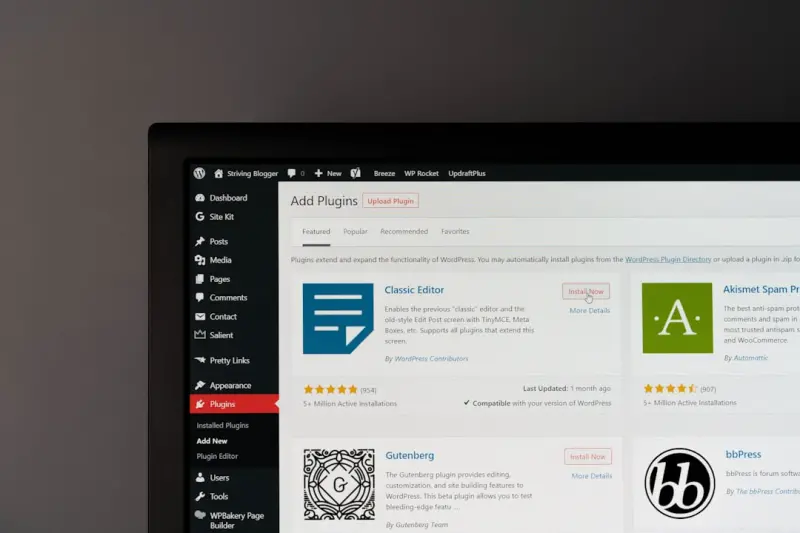
Mastering E‑A‑T on WordPress: A Practical Guide for Authority‑Driven Rankings
A step‑by‑step guide shows how to embed expertise, authoritativeness, and trust into WordPress—from author schema to multisite authority segregation—so ...Read More
Turn Your SaaS Onboarding Flow Into an SEO Engine
Learn to leverage your SaaS onboarding flow—emails, tutorials, videos, and help‑center articles—as powerful SEO assets, driving high‑intent traffic and ...Read More
Turning Customer Success Stories into Link‑Building Gold
Discover a fresh link‑building approach that leverages authentic customer success narratives, turning them into valuable backlinks through whitepapers, intera...Read More

Riding the 2024 Google SEO Wave: Rose DesRochers’ Insider Take
Rose DesRochers reveals the 2024 SEO playbook, highlighting AI, intent, and authority tactics to dominate Google’s evolving algorithm....Read More
0 Comments
Post Comment
You will need to Login or Register to comment on this post!