

Redefining WordPress SEO for Modern Content Hubs
In an era where search engines reward depth, relevance, and speed, the traditional plugin‑centric WordPress SEO playbook feels increasingly outdated; savvy site owners are now asking how to architect their WordPress installations to act as true content hubs that serve both users and crawlers alike. Instead of layering countless add‑ons, the focus shifts to structural intelligence built directly into the theme and database layer, ensuring that every piece of content lives in a contextually rich environment. This strategic mindset not only reduces technical debt but also aligns WordPress with the evolving expectations of Google’s algorithmic models.
Embedding Schema Markup Directly with Gutenberg Blocks
Gutenberg’s block editor, once seen merely as a visual composer, now offers a powerful conduit for delivering structured data without the need for third‑party schema plugins; by creating custom block patterns that output <script type="application/ld+json"> snippets, developers can embed rich results markup at the point of content creation. This approach guarantees that every article, product, or FAQ is automatically wrapped in the appropriate schema, enhancing visibility in SERPs and reducing the latency caused by post‑render script injections. For deeper insights into micro‑content tactics, see Decoding Google’s Passage Indexing which outlines why granular markup matters now more than ever.
Leveraging Custom Post Types and Taxonomies for SEO Silos
When a site’s content spans multiple topics, the creation of bespoke post types and hierarchical taxonomies becomes a cornerstone of an SEO‑friendly silo architecture; each taxonomy archive can act as a thematic landing page, inheriting SEO signals from its child entries while offering users a clear navigation path. By registering these structures with rewrite rules that produce clean, keyword‑rich URLs, you empower search engines to understand topical relevance without relying on duplicate meta descriptions or thin category pages. Moreover, this method allows for precise control over canonical tags and pagination, preventing common pitfalls that dilute link equity across a sprawling site.
Dynamic JSON‑LD Generation via the WordPress REST API
The REST API, originally intended for headless integrations, can also serve as a lightweight engine for delivering JSON‑LD on the fly, bypassing the need for server‑side rendering of schema scripts; by exposing endpoints that return context‑aware structured data based on the requested post ID, you ensure that crawlers receive the most up‑to‑date markup while keeping page HTML lean. This technique dovetails nicely with caching layers, as the JSON‑LD can be cached separately from the HTML, reducing the time‑to‑first‑byte for both users and bots. Implementing such a system also future‑proofs your site against emerging schema formats, as updates can be rolled out through a single API version.
Optimizing Core Web Vitals Directly in WordPress Core
Google’s emphasis on Core Web Vitals means that performance optimization can no longer be an afterthought; by configuring server‑level settings such as HTTP/2 push, intelligent image compression via wp_get_image_editor, and deferring non‑essential JavaScript through the theme’s enqueue system, you can achieve measurable improvements without the overhead of bulky performance plugins. These native tweaks not only lower cumulative layout shift (CLS) and first input delay (FID) but also contribute to a healthier overall PageSpeed score, which increasingly influences ranking algorithms. For a broader perspective on privacy‑first practices that complement performance, explore Privacy‑First SEO, which highlights how streamlined codebases aid both speed and compliance.
Building Multilingual SEO Foundations Without Heavy Plugins
While many turn to heavyweight translation plugins, a leaner approach involves using language subdirectories paired with custom rewrite rules and locale‑aware hreflang tags generated in the theme’s header; this method reduces the JavaScript payload and eliminates duplicate content risks associated with plugin‑generated language switchers. By storing translations as separate post entries linked via post meta, you maintain editorial control and can apply distinct SEO metadata per language, ensuring each version competes effectively in its regional search market. The result is a multilingual site that remains fast, secure, and easy to audit.
Advanced Internal Linking Strategies Using Taxonomy Archives
Effective internal linking is the silent driver of link equity distribution, and WordPress offers a built‑in mechanism to automate this through taxonomy term relationships; by programmatically inserting related‑post widgets that draw from the same custom taxonomy, you create contextual bridges that reinforce topical authority. Additionally, leveraging the wp_list_pages function with customized arguments can surface sibling and parent pages within the content hierarchy, guiding both users and crawlers through a logical content flow. These tactics, when combined with breadcrumb trails generated via the_archive_title, dramatically improve crawl depth and reduce orphaned pages.
Measuring Success: From Search Console to Real‑Time Analytics
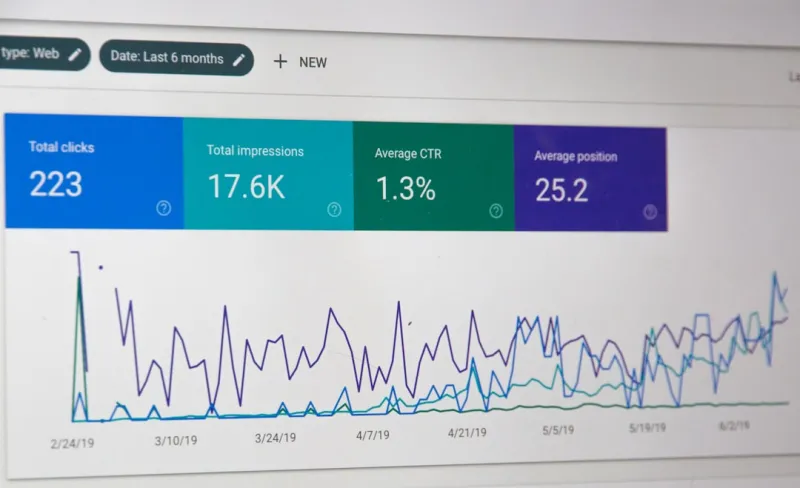
Implementing sophisticated SEO structures is only half the battle; continuous measurement through Google Search Console’s performance reports, combined with real‑time analytics dashboards that track page‑level Core Web Vitals, provides the feedback loop needed to fine‑tune your strategy; setting up custom alerts for sudden drops in impressions or increases in bounce rate ensures rapid response to algorithmic shifts. Moreover, by exporting query‑level data into a BI tool, you can surface hidden opportunities for new content clusters, further enriching your content hub. This data‑driven approach transforms your WordPress site from a static repository into an evolving SEO engine.
Conclusion: Elevate WordPress SEO Beyond the Plugin Layer
By embedding schema directly in Gutenberg, architecting custom post types for silos, harnessing the REST API for dynamic markup, and optimizing Core Web Vitals at the core level, you position your WordPress site to thrive in a search landscape that rewards relevance, speed, and structural clarity; this holistic blueprint empowers you to build content hubs that are both user‑centric and algorithm‑friendly, without the bloat of endless plugins. Embrace these techniques today, and watch your rankings climb as search engines recognize the strategic depth you’ve built into every line of code.

Paul Gray is a dynamic blogger based in Brampton, where he shares his life with his amazing wife, Sarah. Known for his engaging writing style and relatable insights, Paul has carved out a niche in the blogging world that resonates with readers from all walks of life. When he's not crafting captivating posts, you can find him savoring a cold beer or indulging in the latest blockbuster movie. With a friendly demeanor and a passion for storytelling, Paul brings a unique perspective to his work, making him not just a blogger, but a voice for those who appreciate the simple joys of life.
Related Posts

How Gutenberg Blocks Can Supercharge Your WordPress SEO
Learn to transform WordPress Gutenberg blocks into powerful SEO assets by leveraging semantic hierar... Read More

Headless WordPress SEO: Why Decoupling Might Be Your Next Ranking Boost
Going headless separates WordPress’s content engine from the front‑end, delivering faster pages,... Read More

WordPress Multisite: A Scalable SEO Blueprint for Growing Brands
Learn how WordPress Multisite can unify schema, boost Core Web Vitals, automate internal linking, an... Read More
Top Posts

Unlocking Google Discover: A Fresh SEO Playbook for Modern Marketers
Explore a step‑by‑step guide to mastering Google Discover, from visual asset optimization to passage ranking and performance tracking, to diversify your SEO...Read More

Why Community‑First Marketing Beats Traditional Funnels for SaaS Growth
A community‑first approach flips the traditional marketing funnel, turning customers into co‑creators and brand ambassadors. Learn how to build, measure, an...Read More

Riding the 2024 Google SEO Wave: Rose DesRochers’ Insider Playbook for Dominating the SERPs
Rose DesRochers shares her insider playbook for 2024, covering intent‑first content, AI collaboration, authority building, and technical SEO to help you domin...Read More
SEO News Roundup: How AI, Contextual Ranking, and Core Web Vitals Are Redefining the Game
Rose DesRochers breaks down this week’s SEO news, from AI-powered SERP changes to new contextual ranking and Core Web Vitals updates, delivering actionable ti...Read More
0 Comments
Post Comment
You will need to Login or Register to comment on this post!