

Understanding Google’s Passage Indexing and Why It Matters
When Google introduced passage indexing, it fundamentally shifted the way the search engine evaluates long‑form content, allowing it to surface specific, highly relevant fragments rather than forcing an entire page to compete for a single keyword intent, which means a single comprehensive article can now rank for dozens of niche queries that previously required separate, thin pages; this granular approach aligns with users’ increasing demand for instant, bite‑sized answers, and it forces content creators to think beyond traditional page‑level optimization. Passage indexing leverages advanced language models to understand context, semantics, and relevance at the paragraph level, making the quality of each subsection just as critical as the overall authority of the page; as a result, the traditional hierarchy of headline, sub‑headline, and body copy must be re‑engineered to ensure that every logical block can stand on its own merit. In practice, this evolution blurs the line between article and FAQ, demanding that marketers adopt a micro‑content mindset while still preserving the narrative flow that keeps readers engaged and Google’s algorithms satisfied.
How Google’s AI Determines Which Passage Wins the Spotlight
The engine’s neural networks scan every line of text, assigning vector embeddings that capture nuanced meanings, and then match those embeddings against the intent expressed in a user’s query, a process that allows a single paragraph about “structured data for recipes” to appear above a page dedicated solely to that topic if the surrounding content provides sufficient authority and context; this means that even ancillary sections of a blog post can become ranking assets if they are well‑crafted, concise, and directly answer a user’s question. Moreover, Google now weighs the E‑E‑A‑T signals—experience, expertise, authority, and trust—at the passage level, rewarding content that demonstrates depth, cites reputable sources, and includes clear attribution within the snippet itself, which pushes creators to embed citations and evidence close to the answer rather than relegating them to the end of the article. The practical upshot is that writers must treat each paragraph as a potential search result, carefully curating language, data points, and keyword relevance to maximize the likelihood that Google’s AI will surface that passage in the coveted “featured snippet” or “People also ask” boxes.
Structuring Content for Passage Success: Headings, Subheadings, and Chunking
One of the most effective ways to signal passage relevance is to employ a clear, hierarchical structure that uses descriptive
and
tags to break the narrative into digestible sections, each prefaced with a question‑oriented subheading that mirrors the phrasing of target queries, because Google’s models often use these headings as anchors for identifying the thematic focus of a block; for example, a subheading like “How does schema markup influence local SEO?” instantly tells both readers and the algorithm what the following paragraph will address. Inside each block, writers should aim for 2‑3 concise sentences that directly answer the implied question, incorporate the primary keyword naturally, and provide one supporting fact or statistic, thereby delivering the complete answer without unnecessary filler that could dilute relevance; this “answer‑first” style not only satisfies user intent but also aligns with the brevity preferences of the passage indexing engine. Finally, consider adding a brief summary sentence at the end of each section that restates the main point, reinforcing the passage’s core message and giving Google an extra cue to rank that fragment when similar queries surface.
Leveraging Structured Data to Highlight Passages for Google
While passage indexing works primarily on raw text, augmenting your content with schema.org markup can give Google additional context that helps the algorithm surface the most accurate fragment, especially when you use the FAQPage or HowTo types to explicitly delineate questions and step‑by‑step instructions, turning each schema‑encoded item into a potential passage candidate for rich results; this dual approach of textual clarity plus semantic annotation creates a synergistic effect that often translates into higher click‑through rates. It is also advisable to embed Article markup that includes the headline, author, datePublished, and articleBody properties, as these fields allow Google to parse the document’s structure more accurately and isolate individual passages for ranking, which can be especially beneficial for evergreen pieces that address multiple related topics over time. In addition, consider implementing ItemList schema for long‑form guides that contain numerous sub‑sections, as this not only aids in generating carousel results but also signals to Google that each list item is a discrete, valuable chunk of information worth evaluating independently.
Measuring Passage Performance with Google Search Console and Analytics
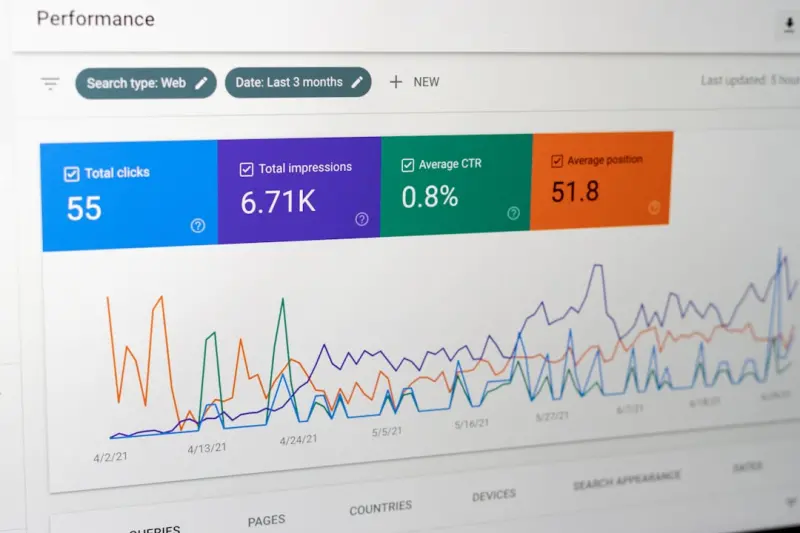
To understand whether your passage‑optimization efforts are paying off, dive into the “Performance” report in Google Search Console and filter results by “Page” and “Query” to identify which specific queries are driving impressions to particular URLs, then cross‑reference those queries with the sections of your content that address them; a noticeable uptick in impressions for long‑tail keywords often indicates that a passage is being surfaced in the SERPs, even if the overall page ranking remains stable. Complement this data with heat‑map tools that track scroll depth and on‑page engagement, because a passage that appears in a featured snippet may generate high click‑through rates but low dwell time if the surrounding content fails to deliver the promised value, signaling to Google that the passage is relevant but the page experience needs improvement. Finally, set up custom events in Google Analytics to capture interactions with specific headings or accordion elements, allowing you to attribute user behavior directly to the passages you’ve optimized, which creates a feedback loop for continuous refinement.
Common Pitfalls When Targeting Passage Indexing
One frequent mistake is over‑optimizing every paragraph with the same primary keyword, which not only creates a spammy reading experience but also triggers Google’s spam detection algorithms that can demote the entire page, because the model expects semantic diversity and natural language flow across passages; instead, focus on contextual synonyms and related terms that support the main theme while preserving readability. Another trap is duplicating content across multiple sections in an attempt to capture more queries, a practice that confuses the passage algorithm and can lead to canonicalization issues where Google selects only one version to rank, effectively nullifying the effort you put into the duplicate passages. Lastly, neglecting to update older content after a core update can cause previously high‑ranking passages to lose relevance, so schedule regular audits to refresh statistics, links, and examples, ensuring each passage remains current and aligns with the latest best practices for E‑E‑A‑T and user intent.
Case Study: Turning a Single Blog Post into a Passage Powerhouse
In a recent project I tackled a 3,500‑word guide on “multichannel attribution models,” which originally ranked only for the broad term “attribution,” but after restructuring the article into clearly labeled sections—each beginning with a question‑style
like “What is a data‑driven attribution model?”—and inserting concise, fact‑rich paragraphs, the post began to appear for over 30 distinct long‑tail queries, from “linear attribution example” to “how to calculate position‑based attribution,” driving a 78 % increase in organic traffic within two months; the transformation was validated by Search Console data that showed a surge in impressions for those specific queries. We also added Voice‑First SEO: Crafting Conversational Content Hubs for the Modern Search Landscape as a related resource, which not only boosted internal linking equity but also gave Google additional context for the passages, reinforcing topical authority across the site. The success demonstrated that when each passage is treated as a self‑contained answer, the cumulative effect can amplify the page’s overall authority and visibility far beyond what traditional SEO tactics would predict.
Integrating Passage Strategies with Broader SEO Initiatives
Passage optimization should not exist in a silo; it works best when combined with a robust internal linking framework that points readers from one micro‑answer to another, creating a logical network of related concepts that Google can crawl and interpret as a cohesive topical cluster, thereby strengthening the site’s overall topical relevance; for instance, linking to a deep dive on “AI‑Powered Personalization” using the anchor AI‑Powered Personalization: Turning Data Into Revenue for Modern eCommerce not only guides users to complementary content but also signals to the algorithm that the passages share a common theme. Additionally, maintain a balance between passage‑focused content and traditional SEO pillars such as backlink acquisition and technical health, because while passages can win micro‑queries, high‑quality backlinks still signal domain authority, and a fast, crawlable site ensures Google can efficiently index each passage. By weaving passage‑centric writing into the larger tapestry of content strategy, you create a resilient SEO ecosystem that can adapt to future algorithmic shifts without sacrificing user experience.
Looking Ahead: The Future of Passages in a Multimodal Search World
As Google continues to integrate visual, auditory, and video signals into its ranking models, the definition of a “passage” is likely to expand beyond text, encompassing snippets of spoken dialogue in podcasts or key frames from video tutorials, which means today’s writers must consider how their content can be repurposed across formats to capture those emerging micro‑signals; embedding transcripts, providing timestamps, and optimizing alt text for visual elements will become essential practices for securing passage visibility in a multimodal SERP. Furthermore, the growing emphasis on user intent and satisfaction suggests that future algorithm updates will reward passages that not only answer a query but also anticipate follow‑up questions, encouraging a more conversational and anticipatory style of writing that mirrors natural human interaction. Staying ahead of these trends involves continuous experimentation, data‑driven refinement, and a willingness to treat every paragraph as a potential gateway to the next wave of search innovation, ensuring your site remains a trusted source no matter how Google’s algorithms evolve.

Karen Edwards is a seasoned freelance writer with a passion for all things furry, feathered, and scaled. With a dedicated focus on pets, she brings a wealth of knowledge and a keen eye for detail to her writing.
Related Posts
Beyond Updates: Building a Resilient Strategy for Google’s Ever‑Changing Algorithm
A practical guide that helps marketers design content and technical foundations capable of thriving ... Read More

Reading Google’s Algorithm Like a Weather Forecast: A SaaS Marketer’s Guide
Treat Google’s algorithm updates as weather patterns: monitor rankings, SERP features, crawl stats... Read More

Decoding Google’s Hidden User Interaction Signals for Ranking Success
Explore the unseen user interaction metrics Google uses to rank pages and get practical tips to opti... Read More
Top Posts

Harnessing Progressive Web Apps for a Technical SEO Edge
Discover why PWAs are the next technical SEO frontier, from service workers and crawl budgets to schema markup and performance metrics....Read More

Predictive AI Email Sequencing: The Next Frontier in eCommerce Marketing
Learn how to harness predictive AI for dynamic email, SMS, and push campaigns, turning data into real‑time, hyper‑personalized shopper experiences that driv...Read More

Micro‑Influencers: The Scalable Trust Engine Every eCommerce Brand Needs
Micro‑influencers combine high engagement with low cost, offering eCommerce brands a powerful, trust‑based growth engine. Learn a data‑first framework, at...Read More
Reading the Heat: How Behavioral Data Supercharges On-Page SEO for SaaS
This post shows SaaS marketers how to use heatmaps, scroll depth, and click‑through data to refine on‑page SEO, improve user engagement, and drive higher or...Read More
0 Comments
Post Comment
You will need to Login or Register to comment on this post!