

Introduction: Riding the 2024 SEO Wave
When I first opened my laptop this January, I could feel the tremor of change rippling through the SERPs, a reminder that Google’s algorithm is never truly at rest; the subtle shifts in core updates, the emerging emphasis on AI‑generated insights, and the relentless march toward user‑first experiences all demand a fresh playbook. Riding the 2024 Google SEO Wave: Rose DesRochers’ Insider Playbook for Dominating the SERPs became my compass, and I’m eager to share the most actionable takeaways that can turn uncertainty into opportunity. In this post, I’ll blend data‑driven tactics with the storytelling flair that has defined my brand, so you can surf the tide, not just survive it.
Core Web Vitals: The New Baseline for Trust
Google’s Core Web Vitals have graduated from “nice‑to‑have” to the very foundation of ranking credibility, and I’ve seen pages that once dominated suddenly tumble when they ignore loading speed, interactivity, or visual stability. A single‑digit LCP (Largest Contentful Paint) combined with a sub‑100 ms TTI (Time to Interactive) can now be the difference between a top‑three spot and the second page of results; the math is simple—users stay, convert, and signal satisfaction to the algorithm. To future‑proof your site, prioritize server‑side rendering, compress images to WebP, and audit your third‑party scripts with a ruthless eye, because every millisecond shaved off contributes directly to your authority signal.
AI‑Assisted Content: Contextual Ranking Gets Smarter
Artificial intelligence is no longer a novelty; it’s the engine behind contextual ranking, and the way we craft content must evolve accordingly. In my Rose DesRochers’ 2024 SEO Playbook: From Contextual Ranking to AI‑Assisted Content, I outline how AI tools can surface latent semantic entities, allowing you to weave clusters of related concepts that satisfy both human curiosity and machine comprehension. The key is to let the algorithm see depth—use subheadings that answer niche questions, embed LSI keywords naturally, and let AI suggest supporting statistics that reinforce authority without sacrificing authenticity.
Intent‑Driven Keyword Clusters: From Exact Match to Searcher Journey
Exact‑match keywords have lost their luster, replaced by a holistic view of search intent that follows the user from awareness through decision. By mapping out macro‑topics and then drilling down into micro‑clusters—informational, navigational, transactional—you create a content architecture that mirrors the funnel, and Google rewards that logical flow with higher relevance scores. I recommend building a spreadsheet where each primary keyword anchors a pillar page, while supporting articles address long‑tail nuances, linking back to the hub with descriptive anchor text to reinforce the semantic network.
Schema Markup: Giving Search Engines a Clear Blueprint
Structured data has become the lingua franca between your site and Google’s knowledge graph, and deploying the right schema can catapult you into rich results that dominate the eye‑tracking heat map. Whether you’re marking up FAQs, product reviews, or event dates, each schema.org implementation adds a layer of clarity that reduces ambiguity and improves click‑through rates; I’ve seen CTR lifts of 15‑30 % after adding simple FAQ schema to blog posts. Use Google’s Rich Results Test to validate your markup, and stay current with the evolving types that Google announces each quarter.
Link Building in 2024: Quality Over Quantity, Relevance Over Reach
The days of mass outreach to any site with a .com domain are over; today’s algorithm scrutinizes the contextual relevance of every backlink, rewarding those that emerge from genuine editorial endorsement. I focus on building relationships with niche influencers, industry publications, and community forums that share a natural audience overlap, because a link from a peer site signals topical authority far more powerfully than a generic directory. When you do earn a backlink, anchor text should reflect the linked page’s semantic theme, not just a keyword‑rich phrase, to avoid over‑optimization penalties.
Mobile‑First Indexing & Progressive Web Apps: The Future Is Now
With mobile‑first indexing cemented as the default, Google evaluates your site primarily through the lens of a smartphone user, making responsive design and fast mobile load times non‑negotiable. Progressive Web Apps (PWAs) take this a step further, delivering app‑like experiences that keep users engaged, reduce bounce, and send strong positive signals to the crawler. If you haven’t already, invest in service workers to cache assets, enable push notifications for timely content updates, and test your mobile usability with Google’s Mobile-Friendly Test to ensure you’re not left behind.
Algorithm Shifts: Staying Ahead of the Curve
Every major Google update is a reminder that the ranking ecosystem is fluid, and staying static guarantees obsolescence; I keep a close eye on the patterns revealed in my SEO News: Rose DesRochers Breaks Down 2024’s Biggest Algorithm Shifts series, where I dissect how changes to E‑E‑A‑T (Experience, Expertise, Authoritativeness, Trust) and the integration of multimodal search are reshaping best practices. The takeaway is simple: adopt a mindset of continuous testing, monitor core metrics like dwell time and pogo‑sticking, and be ready to pivot your content strategy the moment Google signals a new priority.
Actionable Checklist: Your 2024 SEO Sprint
To translate these insights into measurable gains, I’ve compiled a concise checklist: 1) Audit Core Web Vitals and resolve any LCP > 2.5 s issues; 2) Deploy relevant schema on all high‑traffic pages; 3) Re‑structure content into intent‑driven clusters with internal linking; 4) Leverage AI tools for semantic enrichment while preserving human voice; 5) Pursue niche, editorial backlinks with natural anchor text; 6) Convert your site to a PWA for mobile dominance; and 7) Set up a monthly algorithm‑impact review using Google Search Console alerts. Follow this roadmap, and you’ll not only adapt to 2024’s SEO currents—you’ll set the tide.

When it comes to the world of blogging and writing, Rose DesRochers is a name that stands out. Her passion for creating quality content and connecting with her audience has made her a trusted voice in the industry. Aside from her skills as a writer and blogger, Rose is also known for her compassionate nature.
Related Posts
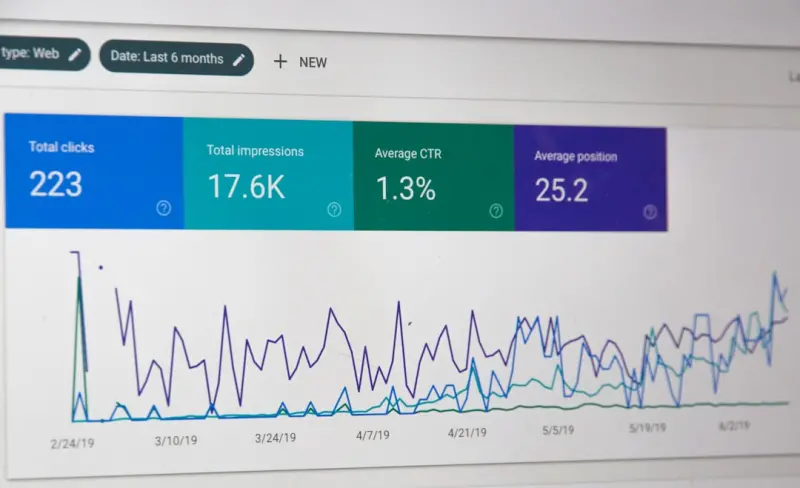
From Support Tickets to SERP Wins: Data‑Driven SEO for SaaS
Discover fresh SEO tactics that leverage your SaaS product’s own data—support logs, pricing tabl... Read More
How to Turn SaaS Demo Videos into SEO Gold
This guide shows SaaS marketers how to turn demo videos into searchable assets by using dedicated la... Read More

Intent‑First SEO: A Fresh Playbook for Modern Rankings
Learn why focusing on search intent, not just keywords, is the key to modern SEO success and how to ... Read More
Top Posts

Intent‑First SEO Takes Center Stage: What Marketers Need to Know
Intent‑first SEO is redefining how we rank, engage, and convert. Learn the shifts marketers must make to stay ahead in today’s search landscape....Read More

Speak to the Search Engine: Voice‑First SEO Strategies for WordPress
This article explores a fresh, voice‑centric approach to WordPress SEO, covering content architecture, schema markup, accessibility, performance, and measurem...Read More

When AI Search Becomes a Conversation Partner: Rethinking SaaS Knowledge Discovery
A deep dive into turning AI search into a conversational partner for SaaS teams, covering technical blueprints, trust guardrails, multi‑tenant scaling, and ac...Read More

AI‑Powered Creative Testing: The Next Digital Marketing Frontier
Explore the rise of AI‑generated ad copy and visuals, learn new metrics for success, and see how real‑time optimization can revolutionize your digital marke...Read More
0 Comments
Post Comment
You will need to Login or Register to comment on this post!