
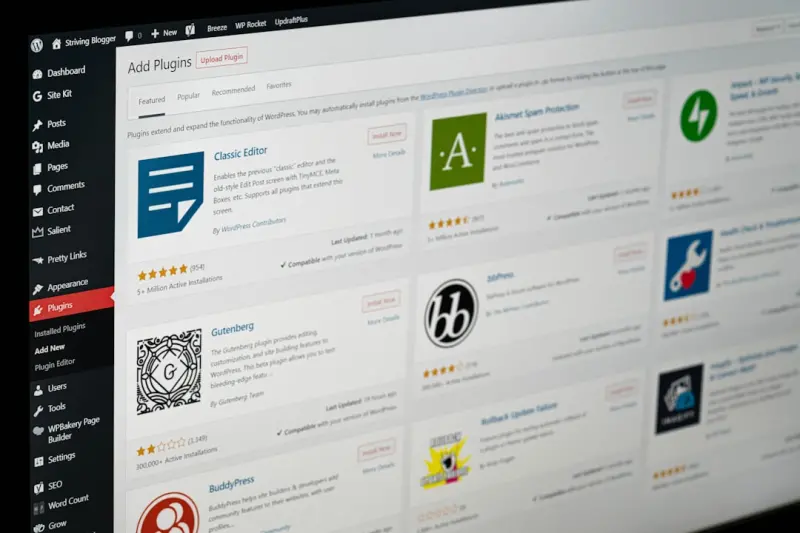
From the Frontlines: Why AI‑Powered Search Assistants Are Redefining SaaS Visibility
When I first heard a colleague mention “the AI chat that answers my question in seconds,” I laughed. It sounded like a novelty, something for early adopters. Fast‑forward a few months, and that same colleague is asking why our own product pages aren’t showing up in the new search overlays that pop up before anyone even clicks a traditional result. The truth is simple: generative AI is no longer a side project—it’s becoming the default gateway to information. For SaaS companies, this shift means that the old rulebook of “optimize for the click” is being rewritten, and the new chapters are all about prompt relevance, structured context, and trust signals that survive a conversational hand‑off.
What the New Search Overlays Look Like (And Why They’re Different)
Instead of a list of blue links, users now encounter a layered interface that blends traditional results with AI‑generated summaries, visual cards, and even real‑time data pulls. These overlays can surface:
- Dynamic answer snippets that synthesize information from dozens of sources.
- Interactive data widgets that pull live metrics (think pricing tables, usage stats, or compliance checklists).
- Contextual “continue reading” prompts that guide a user toward a deeper dive without ever leaving the overlay.
The key difference? Search engines now act like a conversational partner, not just an indexer. They ask follow‑up questions, prioritize concise, factual responses, and rank content based on how well it can be “quoted” in a generated answer. That’s a dramatic departure from the old link‑centric paradigm.
Rethinking Keyword Research for Prompt‑Driven Retrieval
Traditional keyword tools still have value, but they must be complemented with prompt modeling. Instead of focusing solely on high‑volume terms, we need to ask: “How would a user phrase a request to an AI assistant?” For example, a finance‑focused SaaS might target:
- “Compare SaaS budgeting tools for SMBs”
- “How does usage‑based pricing affect ROI?”
- “What compliance certifications does a cloud‑based accounting platform need?”
These longer, question‑style prompts align with the way generative models retrieve and synthesize data. Tools that simulate AI prompts (or even simple brainstorming sessions with ChatGPT) can uncover hidden intent clusters that traditional keyword reports miss.
Architecting Content for AI Retrieval: Chunking, Context, and Citations
Search engines that generate answers need reliable source material to cite. This means our content must be:
- Chunked into bite‑sized, self‑contained sections that each answer a specific question.
- Richly annotated with schema.org markup that clarifies the type of information (e.g.,
Product,FAQ,HowTo). - Backed by verifiable data—tables, charts, and third‑party references that can be directly quoted.
Think of each paragraph as a potential “quote block” for an AI assistant. The clearer the context, the higher the chance the model will surface your content as an authoritative source. This approach dovetails nicely with the principles in Making Your SaaS API Documentation Rank, where structured, machine‑readable data is a prerequisite for visibility.
Building Trust Signals That Survive the AI Filter
When an AI assistant pulls an answer, it often includes a citation line—“According to [Your Company]…”—or a link to the original source. That line is a trust conduit. To maximize its impact, SaaS marketers should:
- Publish clear author bios and company credentials on every major content piece.
- Maintain an up‑to‑date “Data Sources” page that lists third‑party studies, certifications, and audit reports.
- Use HTTPS, fast page load, and mobile‑first design—the fundamentals still matter, especially when the AI model evaluates page quality.
These practices echo the “trust‑first engine” mindset discussed in recent discussions about zero‑party data, but they are specifically tuned for AI‑generated search results.
Metrics for a Post‑Click‑Less World
If a user gets the answer they need without clicking, how do we prove the effort was worthwhile? The emerging metric suite includes:
- Answer Attribution Rate (AAR) – the percentage of AI‑generated answers that cite your domain.
- Prompt Interaction Score (PIS) – measures how often users refine or follow up on an AI answer that originates from your content.
- Content Recall Velocity (CRV) – tracks how quickly a newly published article appears as a citation in AI responses.
These aren’t vanity numbers; they directly tie back to lead quality and brand authority. In fact, SEO Experiments That Actually Move the Needle for B2B SaaS showed that focusing on early‑stage engagement metrics—like scroll depth and dwell time—correlates strongly with higher AAR scores in AI search.
Practical Steps to Future‑Proof Your SaaS SEO Strategy
Below is a checklist you can start implementing today. Treat it as a living document; revisit quarterly as AI models evolve.
- Audit existing content for prompt readiness. Identify pages that answer a single, clear question and rewrite headings to match natural language queries.
- Enhance schema markup. Use
FAQPage,HowTo, andProducttypes wherever applicable. - Introduce “Citation Blocks”. At the end of each answer‑oriented section, add a concise source statement with a link back to the full article.
- Develop a Prompt Library. Compile the top 50 prompts your target audience might use, and align each with a dedicated content piece.
- Measure AAR and PIS. Set up Google Search Console custom reports and integrate with your analytics platform to capture these new signals.
- Iterate with AI‑assisted testing. Use a generative model to simulate search queries and see which of your pages get quoted.
By treating AI‑generated search as a new distribution channel—rather than a threat—you’ll not only preserve traffic but also amplify brand authority in a space where users are increasingly trusting machines over traditional links.
The Human Touch Remains the Core Differentiator
Even as AI overlays dominate the SERP, the underlying content still needs a human voice. Your brand’s tone, storytelling flair, and deep expertise are what turn a generic answer into a memorable brand experience. In my own writing, I aim to blend data‑driven insights with a conversational cadence that feels like a trusted advisor speaking directly to the reader. That authenticity is what makes a citation more than a footnote—it becomes a relationship starter.
Looking Ahead: From Search Assistants to Conversational Commerce
The next logical step after AI search assistants is conversational commerce—where the same model that answers a question can also complete a purchase, schedule a demo, or trigger a support ticket—all within the search overlay. For SaaS businesses, this means that the line between discovery and conversion is blurring. Preparing now by optimizing for AI‑driven answers puts you in the driver’s seat when that future arrives.

Deb Roberts is a freelancer who writes on various subjects, bringing versatility and depth to her work. Alongside her broad writing expertise, she has a special passion for horses.
Related Posts

Semantic SEO: Building Entity Authority for SaaS Brands
Semantic SEO shifts the focus from keywords to meaning, helping SaaS brands map core entities, use s... Read More
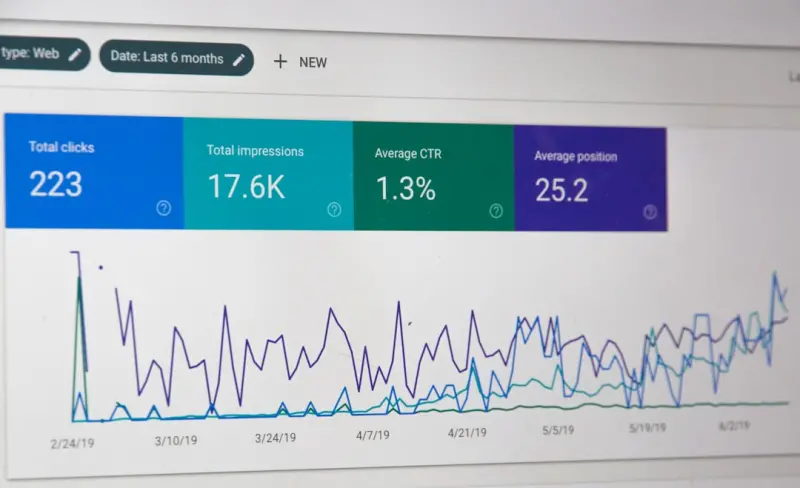
Beyond Rankings: How SaaS Brands Can Dominate SERP Features
This post shows SaaS marketers how to turn Google’s SERP features—rich snippets, FAQ blocks, and... Read More
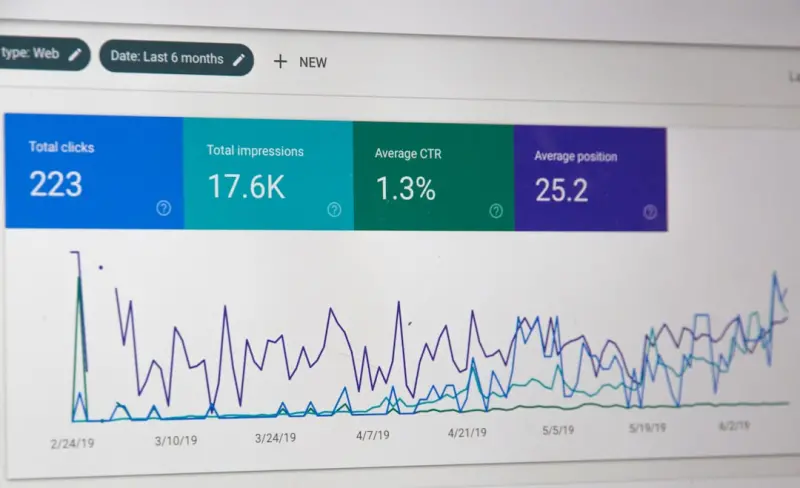
Zero-Click Search Optimization: Turning SERP Real Estate into Traffic
Learn the strategies to secure zero‑click rankings—leveraging snippets, structured data, and AIâ... Read More
Top Posts
Why Intent‑First SEO Is the Secret Sauce Behind Google Rankings
Learn why shifting from keyword obsession to intent focus is the key to sustainable Google rankings, higher engagement, and more conversions....Read More

The Neighborhood Playbook: Supercharging Your SaaS with Hyper‑Local SEO Tactics
A deep dive into hyper‑local SEO for SaaS, offering practical steps to claim local listings, leverage community signals, and turn neighborhood searches into h...Read More

Beyond the Click: AI‑Driven Answer Boxes Redefine SaaS SEO
Zero‑click search is now the norm, and SaaS marketers must adapt. This article breaks down why AI‑driven answer boxes matter, offers a practical framework t...Read More
From Search to Sale: SEO Strategies for Every Funnel Stage
This guide shows SaaS marketers how to align SEO with the buyer’s journey—from awareness to retention—using content clusters, schema, internal linking, an...Read More
0 Comments
Post Comment
You will need to Login or Register to comment on this post!